


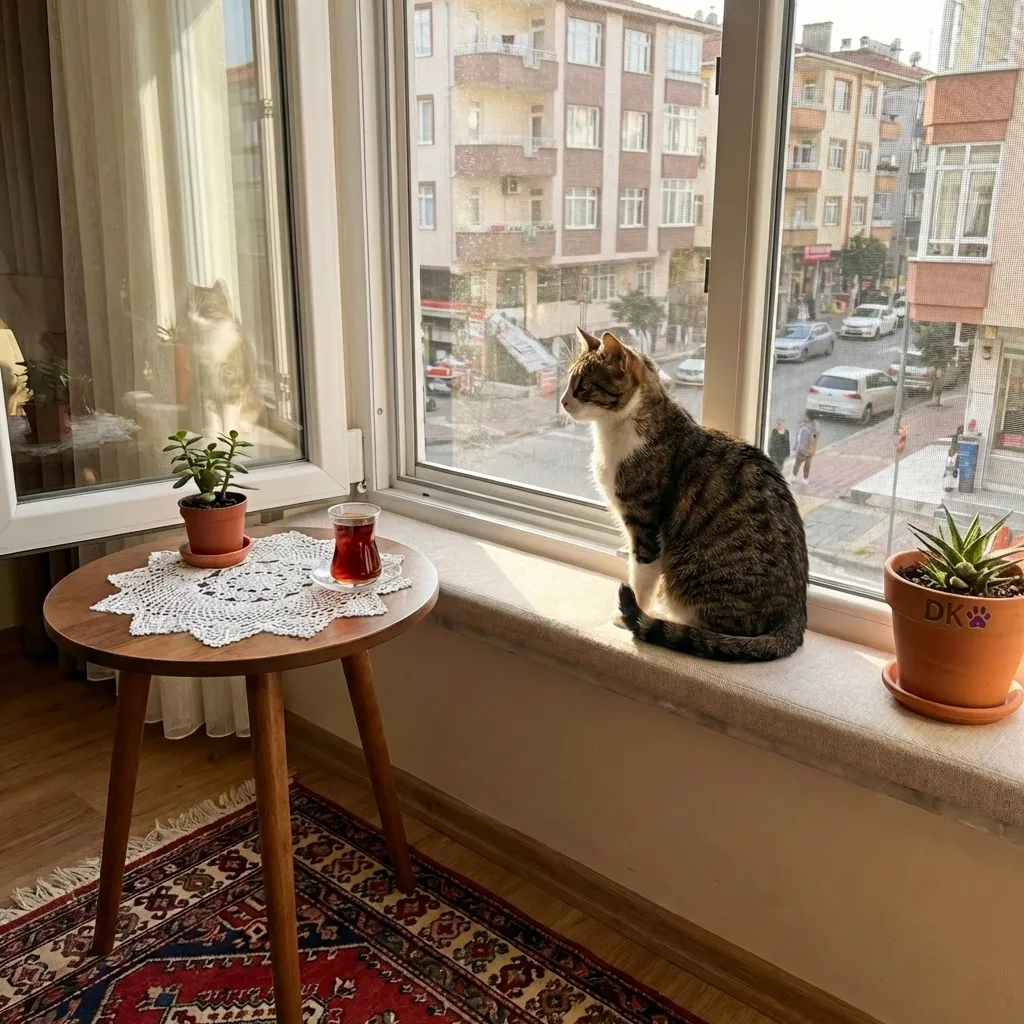

Home Safety for Cats: A Complete Protection Guide
Cats are born curious explorers. That curiosity makes them fun to live with, but it can also lead them into serious danger at home. Every year, thousands of cats develop health problems because of toxic plants, chemicals or dangerous objects in the house. Most of these hazards can be removed entirely with simple precautions. This guide will help you turn your home into a safe living space for your cat.
Plants That Are Toxic to Cats
Plants that cats nibble on without knowing better can cause serious poisoning, and even death. The plants below pose the greatest danger to your cat:
Deadly Plants
- Lilies (Lilium): The lily is the most dangerous plant for cats. Every part of the flower is deadly: the leaves, petals, stem, pollen and even the water in the vase. Even a very small amount causes acute kidney failure. Symptoms start within 6-12 hours: vomiting, loss of appetite, excessive thirst and reduced urination. Without treatment, death can occur within 24-72 hours. Never keep lilies in a home with a cat.
- Sago palm (Cycas revoluta): Every part is toxic. It causes liver failure and has a fatality rate of up to 50%.
- Azalea and rhododendron: Can disrupt heart rhythm and can be fatal.
- Oleander: Contains cardiac glycosides and is extremely toxic.
Moderately Dangerous Plants
- Aloe vera: Its saponins and aloin cause digestive problems, with diarrhea, vomiting and tremors
- Dieffenbachia: Contains calcium oxalate crystals that cause severe burning, swelling and difficulty swallowing in the mouth, tongue and throat
- Poinsettia: Contrary to popular belief, it is not deadly, but it can cause mouth irritation and vomiting
- English ivy (Hedera helix): Can cause vomiting, diarrhea, excessive drooling and abdominal pain
- Philodendron: Mouth irritation and digestive problems due to calcium oxalate crystals
- Caladium: Causes an intense burning sensation in the mouth and tongue
- Umbrella plant (Schefflera): Mouth irritation and digestive problems
Cat-Safe Plant Alternatives
You don't have to give up plants altogether. These plants are safe for cats:
- Catnip (Nepeta cataria)
- Boston fern
- Areca palm
- Cat grass (wheatgrass)
- African violet
- Spider plant (Chlorophytum)
- Bamboo palm
Dangerous Household Chemicals and Substances
Cleaning Products
Cats get poisoned by cleaning products in two ways: by licking them directly, or by touching freshly cleaned surfaces with their paws and then swallowing the residue while grooming.
- Bleach (chlorine): Even diluted, it irritates the airways; in concentrated form it causes serious chemical burns
- Products containing phenol: Pine oil cleaners are especially dangerous for cats. Cats cannot metabolize phenol, and liver damage can develop
- Ammonia-based products: Airway irritation and damage to mucous membranes
- Dishwasher detergent pods: Their bright colors attract cats, and their concentrated chemicals cause burns in the digestive tract
Safer alternatives: Use a vinegar and water mix, baking soda or pet-friendly cleaning products. After cleaning, rinse surfaces thoroughly with water and keep your cat out of the area until they are dry.
Essential Oils and Aromatherapy
Essential oils are extremely dangerous for cats. Because a cat's liver lacks the enzyme glucuronyl transferase, cats cannot metabolize many essential oil compounds. This leads to toxic buildup and organ damage.
- The most dangerous oils: Tea tree oil, eucalyptus, lavender, peppermint, cinnamon, clove, thyme and citrus oils
- Even diffusers are dangerous: Essential oil particles released into the air stick to your cat's fur and get swallowed during grooming
- Symptoms: Wobbly walking, tremors, vomiting, difficulty breathing, liver failure
Avoid using essential oil diffusers entirely in a home with a cat.
Medications
- Paracetamol (acetaminophen): Toxic to cats; even a single tablet can be fatal. It causes methemoglobinemia and liver failure.
- Ibuprofen and aspirin: A cat's metabolism cannot process these drugs, resulting in kidney and digestive tract damage.
- Antidepressants: One of the drug groups cats most often swallow by accident.
- Dog flea medication (permethrin): Permethrin, found in dog flea products, is absolutely deadly for cats. Never use dog products on cats.
Foods That Are Dangerous for Cats
Foods You Should Never Give
- Onion and garlic: N-propyl disulfide destroys a cat's red blood cells and leads to hemolytic anemia. It doesn't matter whether it is cooked, raw or powdered. Onion is far more dangerous for cats than for dogs.
- Chocolate: Theobromine can cause heart rhythm problems, seizures and death. Dark chocolate is the most dangerous kind.
- Xylitol (artificial sweetener): Found in sugar-free gum, toothpaste and some diet products. It causes a sudden release of insulin and hypoglycemia, followed by liver failure.
- Grapes and raisins: Can cause kidney failure; the exact mechanism is not yet known.
- Alcohol: Causes poisoning even in very small amounts.
- Caffeine: Tea, coffee and energy drinks lead to heart problems.
- Raw yeast dough: Can expand in the stomach, causing a blockage and alcohol poisoning.
Physical Hazards and Safety Measures
Window Safety: High-Rise Syndrome
"High-rise syndrome" describes the pattern of injuries cats suffer when they fall from open windows or balconies. Vets see these cases especially often in spring and summer.
- Cats have good balance, but they can lose it in the excitement of chasing a bird or a bug
- Insect screens can't hold a cat's weight and don't keep them safe
- Solution: Have cat safety netting or cat-proof mesh installed on all windows. Fully enclose balconies.
- Removable window guards and dedicated cat balcony enclosure systems are available
Washing Machines and Dryers
Cats love dark, warm, tight spaces. Washing machines and dryers are tempting hideouts for them. Every year around the world, hundreds of cats die after getting shut inside these machines unnoticed.
- Always keep the machine door closed
- Always check inside the machine before starting a wash or a drying cycle
- Confirm where your cat is
Electrical Cords
Kittens and young cats in particular tend to chew on cords. This can cause electric shock, mouth burns and even fires.
- Cover cords with protective cable tubing
- Hide or remove cords you aren't using
- You can use deterrents such as bitter apple spray
- Choose wireless devices when you can
The Danger of String, Ribbon and Thread
Long, thin objects such as thread, ribbon, dental floss, rubber bands and tinsel can cause a serious emergency in cats known as a "linear foreign body." Once swallowed, it wraps around the intestine, the intestine bunches up and it can perforate. This requires emergency surgery.
- Store thread, yarn and ribbons in closed drawers
- Don't use tinsel in holiday and party decorations
- Put dental floss and rubber bands straight into the trash can
- Don't leave string toys out unsupervised
Small Objects and Choking Hazards
- Button batteries, beads, small balls, plastic caps and needles can all be swallowed
- Kittens in particular put everything in their mouths
- Keep small objects in closed boxes
Room-by-Room Safety Checklist
Kitchen
- Stove and oven: Use burner covers and lock the stove knobs
- Trash can: Use a trash can with a lid (onion skins and chicken bones are dangerous)
- Food on the counter: Store dangerous foods such as onion, garlic and chocolate in closed cabinets
- Cleaning supplies: Put childproof locks on lower cabinets
- Plastic bags: They pose a risk of suffocation and intestinal blockage
Bathroom
- Medicine cabinet: Always keep all medications in locked cabinets
- Toilet lid: Keep it closed, especially if you use toilet cleaning tablets
- Tub and sink: Don't leave water standing in them because of the drowning risk
- Hair dye, nail polish, acetone: Store them in closed cabinets
Bedroom
- Jewelry and accessories: Small earrings, rings and hair clips are hazards
- Medications: Don't leave pills on the nightstand
- Charging cables: Put them away before bed or cover them with a protector
Living Room
- Plants: Make sure every plant is cat-safe
- Candles and incense: Don't leave them unattended; they can tip over and cause burns
- Windows: Have safety netting installed
- Bookcases and shelves: Anchor them to the wall if they could tip over
What to Do If Your Cat Is Poisoned
If you suspect your cat has been poisoned:
- Contact a veterinarian right away or call an emergency vet clinic
- Write down what your cat swallowed or touched, and how much
- If possible, bring the product packaging to the vet
- Don't try to make your cat vomit without a vet's advice, because some substances do more harm when vomited
- Don't give milk; milk doesn't neutralize poison and in some cases can increase absorption
Making your home safe for your cat doesn't have to cost a lot. A little awareness and a few precautions let your cat live in a healthy, safe environment. Review the checklist above regularly, and research every new product or plant you bring home to see whether it is safe for your cat.









