


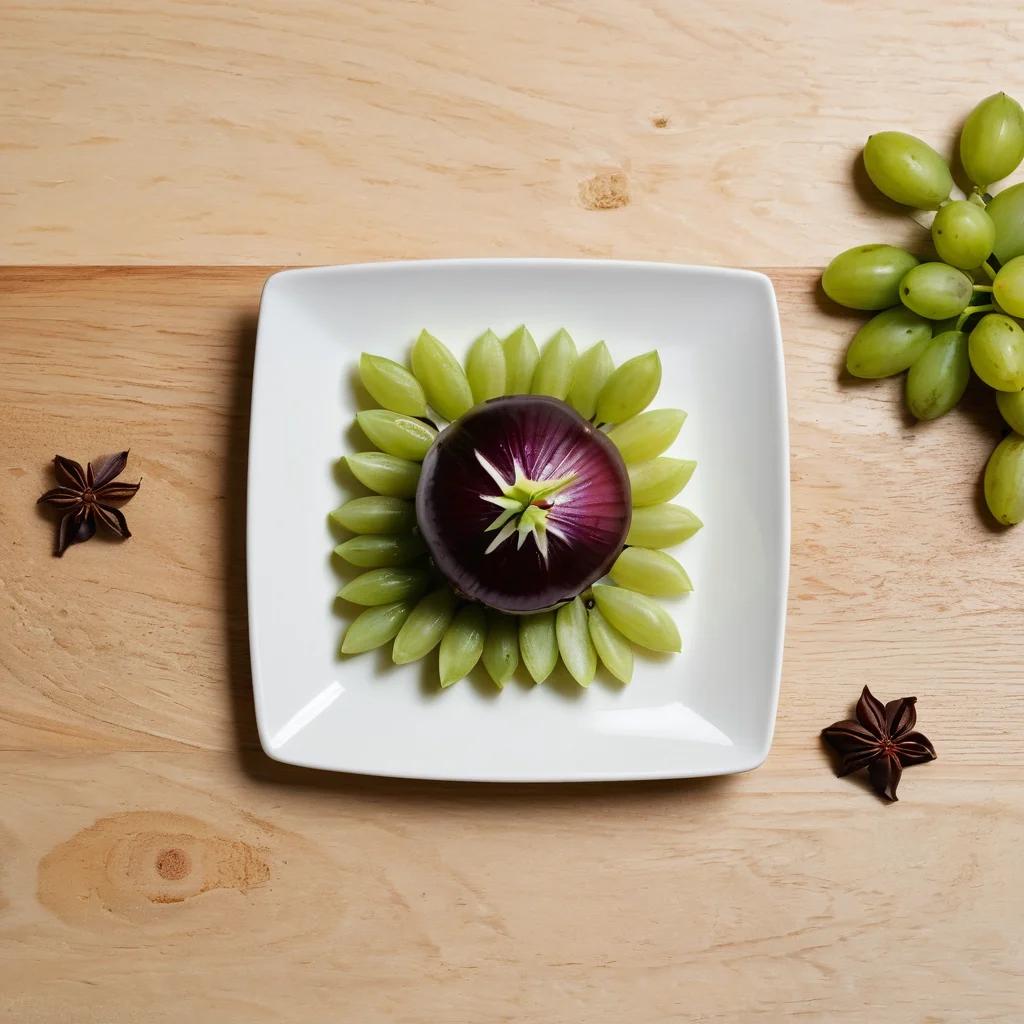

Cats are different from dogs: a smaller body + obligate carnivores + far more sensitive to some foods than people or dogs are. A piece of chocolate, a single lily leaf, a drop of antifreeze in one spot can be fatal to a cat. This article covers 20+ foods and substances that are dangerous for cats, poisoning risks around the home and emergency steps.
If in doubt, go to the vet right away. In cat poisoning, minutes matter more than hours.
1. Strictly Off-Limits: Fatal Risk
- Onions, garlic, leeks, onion powder: The allium family. Damages red blood cells. Cats are more sensitive than dogs. Even a small amount is a risk.
- Chocolate: Dark is worse than milk chocolate. Theobromine is fatal for cats. Even a small piece.
- Grapes, raisins: Acute kidney failure. The threshold dose is unknown.
- Xylitol: Sugar-free gum, toothpaste, some peanut butters. A drop in blood sugar + liver failure.
- Alcohol: Even a small amount. Raw (yeast) dough produces alcohol inside the body.
- Caffeine: Coffee, tea, energy drinks. Heart rhythm problems.
- Acetaminophen/paracetamol (a human painkiller): A single tablet is FATAL for a cat. Never give it.
- Ibuprofen, naproxen: Severe liver + kidney damage.
- Antifreeze (ethylene glycol): It tastes sweet, so cats lick it. 5 ml is fatal. Check the garage + balcony.
- Rat poison, insecticide: Directly, or by eating a poisoned rodent.
2. Plants: A Special Danger for Cats
This is the danger cat owners overlook most often. Every species in the lily family causes acute kidney failure in cats, even the leaves, the pollen or the water from the vase.
- Lily: fatal. Easter lily, tiger lily, day lily.
- Aloe vera.
- Leaf cactus, cactus.
- Philodendron, dieffenbachia.
- Sago palm.
- Oleander.
- Tulip bulbs.
- Bay leaves (in large amounts).
- Crocus.
- Ornamental plants with oat-like leaves.
When choosing houseplants, use a "cat-safe" list. If in doubt, put the plant somewhere your cat can't reach.
3. Dairy Products
"Cats love milk" is a common myth: the large majority of cats are lactose intolerant. Milk + large amounts of dairy = diarrhea, stomach pain.
- Cow's milk.
- Heavy cream.
- Ice cream.
A very small amount of yogurt + a bit of cheese may be tolerated; dairy shouldn't be a regular thing.
4. Raw Food
- Raw meat: Salmonella, E. coli, parasites. The BARF diet for cats is controversial; not without supervision from a vet nutritionist.
- Raw eggs: Salmonella + avidin, which blocks biotin absorption.
- Raw fish (even if it's not saltwater fish): An enzyme that destroys thiamine. Fed regularly, it leads to B vitamin deficiency + neurological problems.
- Raw bones: Splinters + tears in the digestive tract.
5. Dog Food
Cats are obligate carnivores and need a clearly different nutrient profile from dog food (taurine, arachidonic acid, vitamin A). If a cat eats dog food long term, taurine deficiency = heart + eye damage.
- Eating it once by accident is harmless.
- Regularly + over a long time = a serious health risk.
6. Other Food + Substance Risks
- Salt, salty chips, salami: Too much salt = sodium poisoning.
- Fatty food, tail fat: Pancreatitis.
- Avocado: Contains persin.
- Mushrooms (wild): Most species are toxic to cats.
- Fruit seeds and pits (apple seeds, peach pits): Cyanide.
- Raw potatoes: Solanine.
- Tomato leaves, green tomatoes: Solanine.
- Canned tuna (for people), regularly: Mercury load.
- Human vitamin tablets (especially iron): Toxic in very small amounts.
7. Household Chemicals
- Bleach.
- Toilet and cleaning liquids.
- Dish detergent.
- Antifreeze (garage).
- Insecticides (flea spray: the wrong dose is fatal for a cat; use only cat-approved products).
- Essential oils (especially tea tree, citrus, eucalyptus) are toxic to cats.
- Candles (not the paraffin itself, but some added fragrances).
- Lead-based paint / old paint dust.
8. Suspected Poisoning: Emergency Steps
- Photograph the scene: The substance swallowed + the packaging + the estimated amount.
- Note your cat's age + weight + the estimated time it was swallowed.
- Call the vet right away. If they're closed, a 24/7 emergency clinic.
- Get on the road. On the way, watch your cat's breathing + gum color + alertness.
- Do NOT induce vomiting unless the vet tells you otherwise. Hydrogen peroxide is NEVER used to induce vomiting in cats.
- Don't give milk: it's misleading + causes diarrhea.
- Don't research online; take action.
9. Prevention
- Kitchen counters + cabinets locked.
- Check the list before choosing plants.
- A trash can with a lid.
- A child lock on the medicine cabinet.
- Check the garage + balcony + vacation home.
- Warn guests in advance (watch out for gum and medication).
- Your vet's number on a fridge magnet.
10. Frequently Asked Questions
My cat ate a lily leaf. What should I do?
Go to the vet IMMEDIATELY: for your cat's kidneys, hours are vital. The longer treatment is delayed, the harder recovery becomes.
My cat ate a little chocolate. Should I wait?
No. A cat's body is very small, so even a small amount has an effect. Tell your vet + get on the road.
Is an essential oil diffuser safe?
It's debated. Oils like tea tree + citrus + eucalyptus + mint are toxic to cats. If a diffuser fills the air, your cat must have somewhere to escape to. If in doubt, don't use it.
What about a street cat eating unknown food?
Street cats are at risk, but it's hard to intervene one by one with cats that have no owner. Never leave toxic substances on the street; take an injured cat to the vet.
Can I use human tablets as cat vitamins?
No. The dose + ingredients of human vitamins aren't suitable for cats. Too much iron or vitamin A can be fatal. Cat vitamins should be prescribed by a vet.
Can I give my cat a dog tablet (parasite treatment)?
No. Ingredients designed for dogs, such as permethrin, are fatal for cats. Use only cat-approved flea and parasite treatments.
My cat ate something but has no symptoms. Should I wait?
Substances like grapes + lilies + antifreeze cause symptoms 24-72 hours later, and serious damage happens during that time. Don't wait just because there are no symptoms: suspected swallowing = vet.
Final Word
Neglecting to cat-proof the kitchen + yard + balcony = the most common cause of poisoning at home. An informed owner = a happy cat with a long life. Put this list on your fridge and show it to guests who visit.
Your cat's weight + allergies + vet's phone number can be reached in an emergency in DoldurKabı Pet Health Tracking.
This guide is for information only; if you suspect poisoning, contact your vet immediately.









