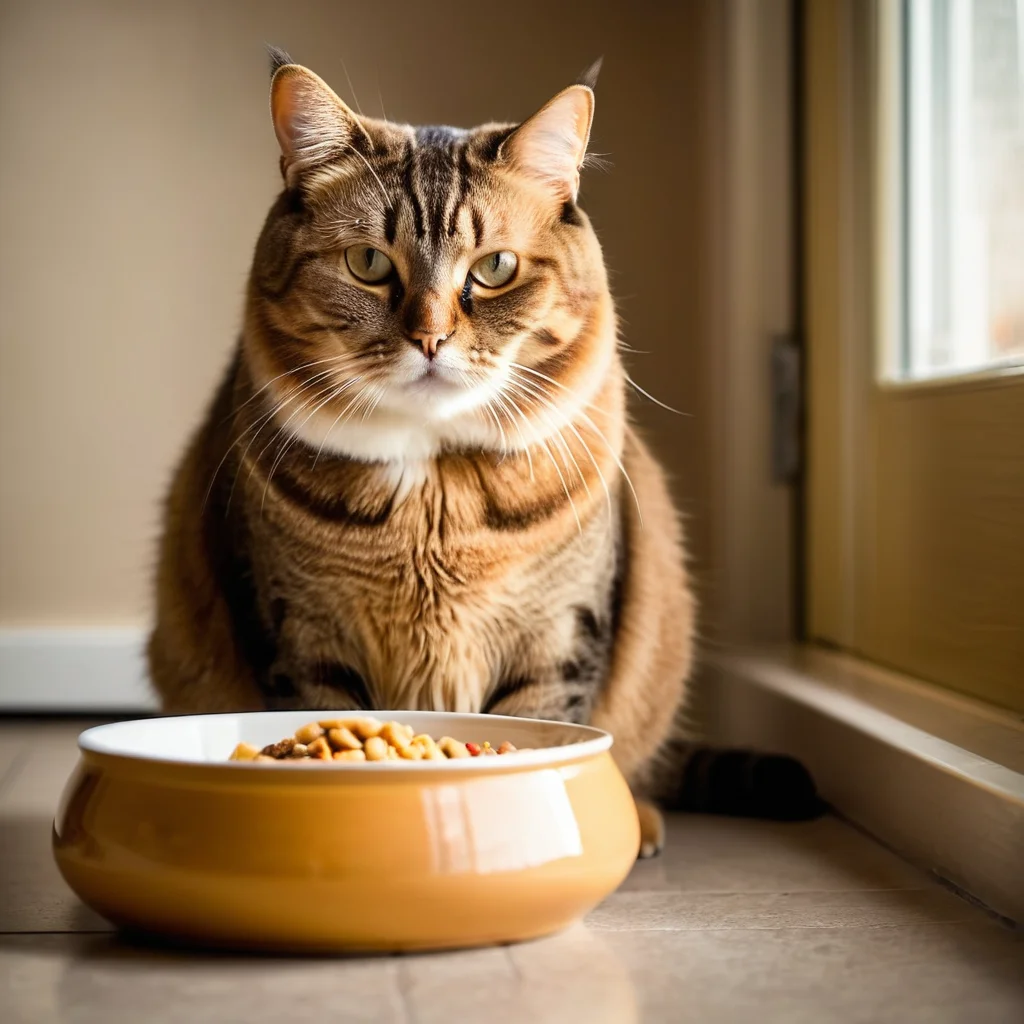

In cats, Type 2 diabetes mellitus (insulin resistance) is common, and obese, inactive, middle-aged cats are at risk. With early diagnosis + a low-carbohydrate diet + insulin, 30-50% of cats go into remission (no longer need insulin).
Risk Factors
- Obesity: the most important
- Age (7+ years)
- Male cats (2x higher risk)
- The Birman breed (genetic predisposition)
- A diet based mostly on dry food (high carb)
- History of corticosteroid treatment
- Pancreatitis
Signs
- Excessive drinking (polydipsia)
- Frequent urination (polyuria)
- Increased appetite but weight loss
- Poor coat quality
- Lethargy
- Advanced: hind leg weakness (diabetic neuropathy), a flat-footed walk
- Diabetic ketoacidosis (emergency): vomiting, dehydration, coma
Diagnosis
- Blood glucose (fasting + post-meal)
- Urinalysis (glucose + ketones)
- Fructosamine (average blood sugar over 2-3 weeks)
- Full biochemistry panel
Treatment (3 Pillars)
1. Insulin
- Glargine (Lantus) or ProZinc
- Subcutaneous injection twice a day (your vet will show you how)
- The dose is calibrated by the vet
- A glucose curve every 1-2 weeks
2. Diet (CRITICAL)
- Low carbohydrate (< 10%), high protein
- Wet food (Hill's m/d, Royal Canin Diabetic, Purina DM)
- Dry food is not preferred
- Feeding at fixed times, coordinated with insulin
3. Weight Control
- Aim for an ideal weight
- Slow weight loss (1-2% per week)
- Encourage activity (toys, puzzle feeders)
Remission
30-50% of well-managed cases no longer need insulin (remission), especially with early diagnosis + a low-carb diet + weight loss. Remission may not be permanent, so follow-up is needed.
Monitoring at Home
- Urine glucose strips (weekly)
- Tracking water intake
- Weight (weekly)
- Changes in behavior
- Advanced: a home glucometer (blood from the ear tip)
Emergencies
- Hypoglycemia: Too much insulin → seizures, coma. Give honey or sugar right away.
- DKA: Uncontrolled diabetes → vomiting, lethargy. Emergency vet.
FAQ
Is insulin for life? No. It can be stopped with remission.
Fees depend on the city, whether it's a polyclinic or a hospital, after-hours visits, imaging or a hospital stay, and the animal's weight and age. Each city's Chamber of Veterinarians (Veteriner Hekimleri Odası) publishes an annual minimum fee schedule; the schedule is a floor, not a final invoice. Ask the clinic for a written or verbal estimate.
Can a diabetic cat live a happy life? Yes. A well-managed cat lives a normal life.
This content is for informational purposes only. For a definitive diagnosis and treatment, consult your veterinarian.
Track your diabetic cat with DoldurKabı's pet health + medication calendar system.