
FLUTD (Feline Lower Urinary Tract Disease) is the umbrella term for urinary tract diseases in cats. The most common form is FIC (Feline Idiopathic Cystitis), triggered by stress and low water intake. In male cats, a urethral blockage is a DEADLY emergency: within 24-48 hours it results in kidney failure and cardiac arrest.
Symptoms
- Straining to urinate (vocal, crying out)
- Urinating outside the litter box (couch, rug)
- Frequent small amounts of urine
- Bloody urine (hematuria)
- Licking the urethral area (excessively)
- Tense belly, pain
- Loss of appetite, lethargy
- Blockage in males: NOT BEING ABLE to urinate AT ALL is an EMERGENCY
FIC Triggers
- Stress (most common): moving, a new cat, noise
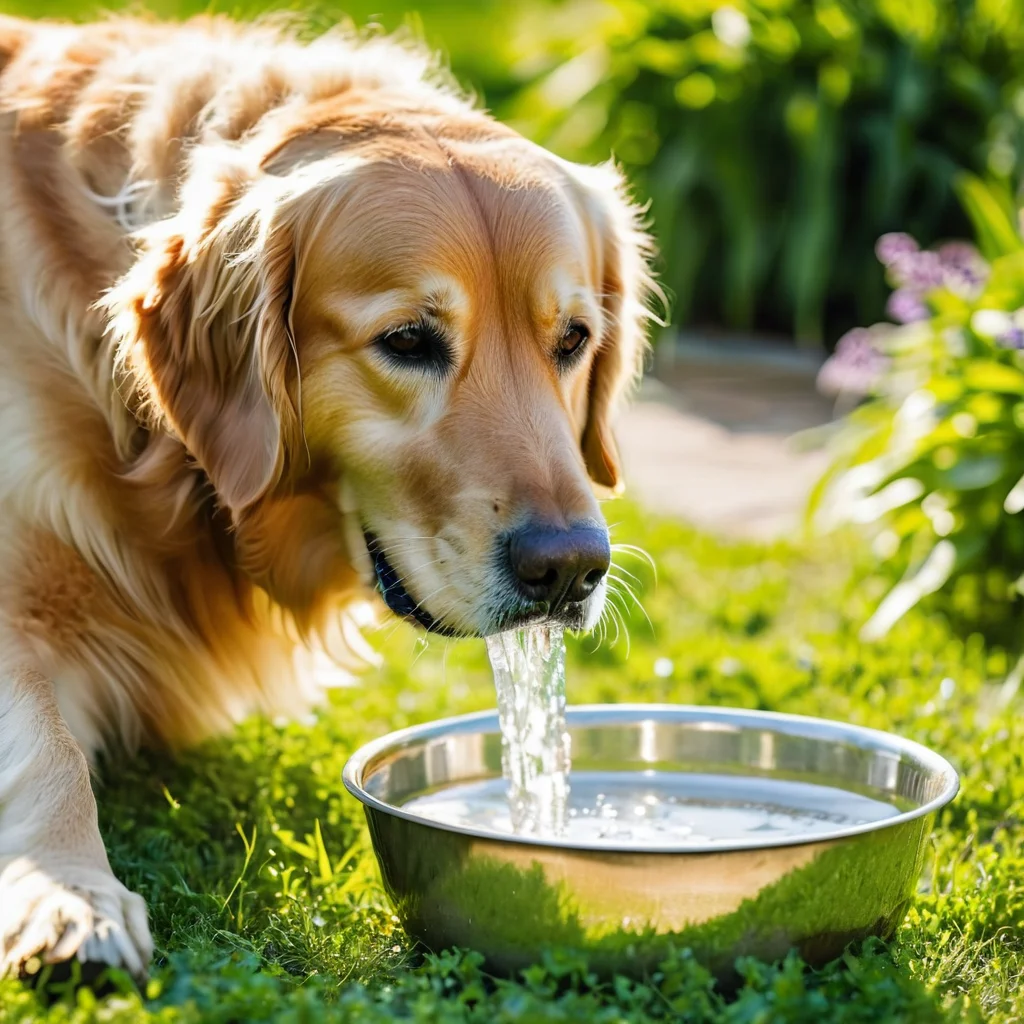
- Low water intake (mostly dry food)
- Obesity
- Indoor living (the absence of hunting stress)
- Competition in multi-cat homes
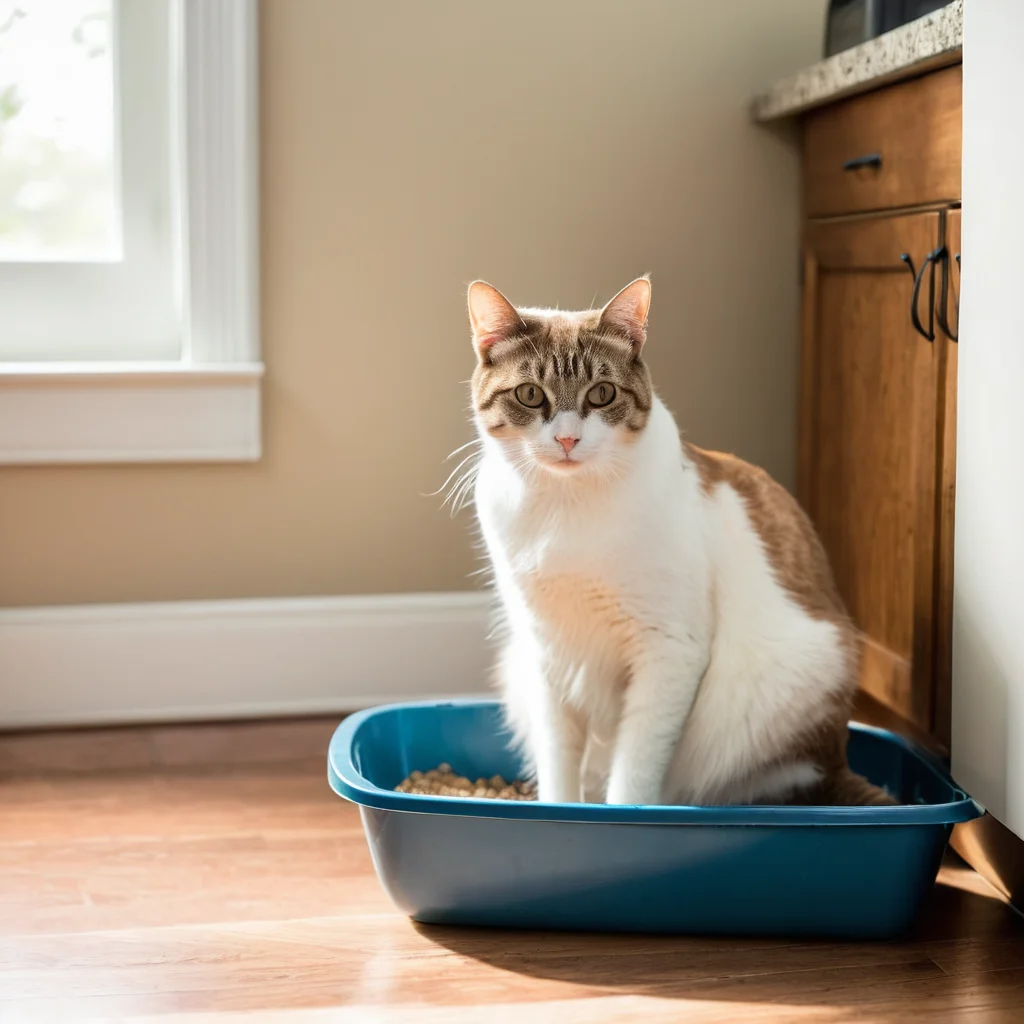
- An unsuitable litter box
Other Causes of FLUTD
- Urethral stones / crystals
- Bacterial infection (in senior cats)
- Urethral narrowing
- Tumor
EMERGENCY: Urinary Blockage
If a male cat does not urinate for 24-48 hours:
- The bladder swells, putting back pressure on the kidneys
- Blood chemistry is disrupted (potassium rises)
- Heart rhythm problems → cardiac arrest
- A cat that cannot urinate needs an EMERGENCY VET
Emergency Treatment
- Catheterization under sedation
- Draining the urine
- IV fluids plus electrolyte correction
- Antibiotics (if needed)
- 2-3 days of observation in the hospital
Long-Term Management (FIC)
1. Increase Water Intake
- A water fountain (cats like running water)
- Wet food (70% moisture)
- Several water bowls
- Wide bowls (no whisker fatigue)
2. Reduce Stress
- Feliway diffuser
- In multi-cat homes: add more resources (litter, water, food)
- Scratching spots, vertical space
- Regular playtime
3. Litter Box
- Rule: number of cats + 1
- Daily cleaning
- A quiet location
- Some cats do not like covered boxes
4. Diet
- Hill's c/d Multicare, Royal Canin Urinary SO
- Adjusted urine pH
- Magnesium control
FAQ
Why are male cats at risk? Their urethra is long and narrow, so it blocks easily.
Does FIC go away with treatment? With stress and diet control, long remission is possible.
It keeps coming back. What should I do? Look into the underlying stress factor and make lasting lifestyle changes.
This content is for information only. Consult your veterinarian for a definitive diagnosis and treatment.
Find a 24-hour emergency vet clinic in one tap on DoldurKabı.