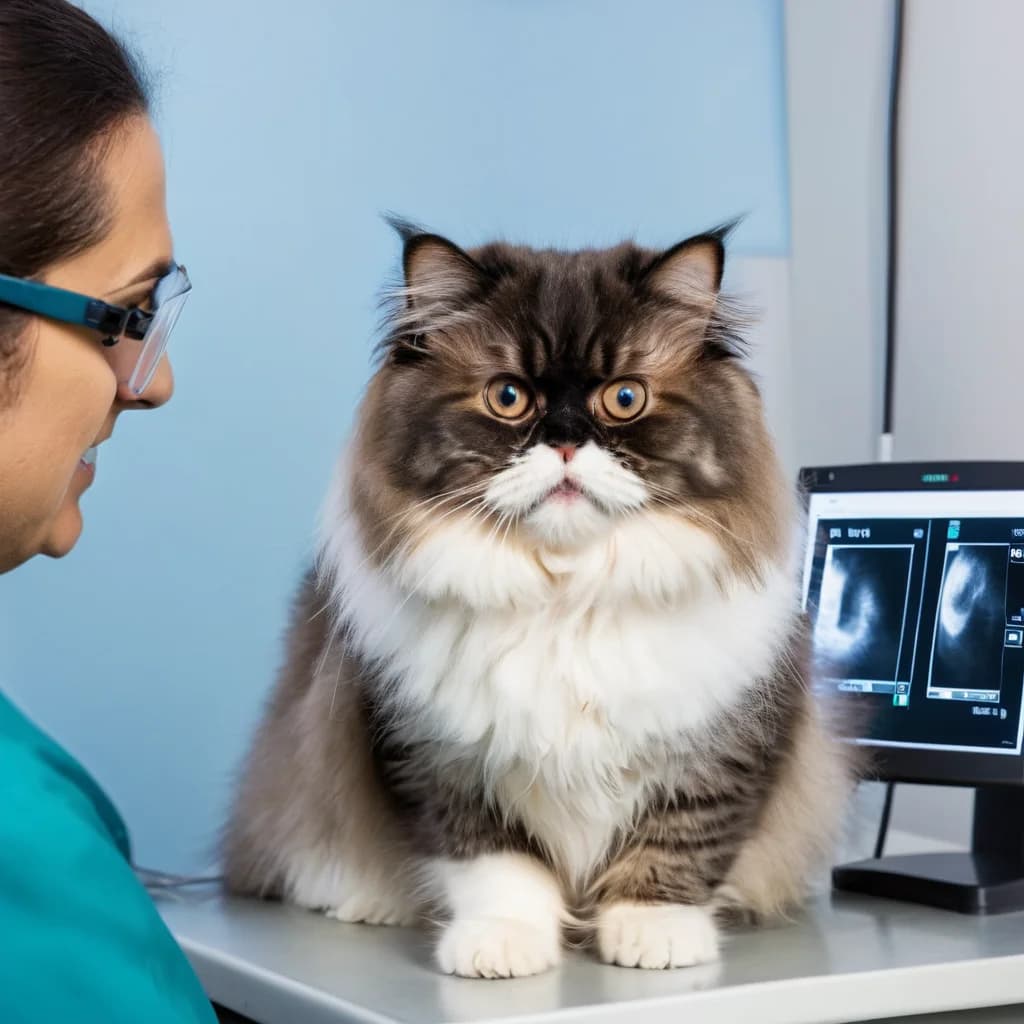

PKD (Polycystic Kidney Disease) is a genetic disease in which multiple fluid-filled cysts form in a cat's kidneys. Over the years, the cysts grow and squeeze the normal nephrons → chronic kidney failure. Signs usually appear between 3 and 10 years of age.
Breeds at Risk
- Persian: 38% test positive
- Himalayan
- Exotic Shorthair (related to the Persian)
- British Shorthair
- Scottish Fold
- Breeds related to the Persian
Genetics
Autosomal dominant inheritance: if one parent is positive, 50% of the kittens will have the disease. The PKD1 gene (a DNA test is available in Türkiye).
Signs (at 3-10 Years)
- Drinking too much water
- Frequent urination
- Weight loss
- Loss of appetite
- Lethargy
- Nausea, vomiting
- Poor coat quality
- Advanced: signs of chronic kidney failure
Diagnosis
- DNA Test (PKD1): Screening for kittens/adults, definitive
- Ultrasound: Cysts can be seen after 6 months
- Blood tests: BUN, creatinine, SDMA
- Urinalysis
Treatment
It is a genetic disease, so the cysts can't be prevented. Management is like that of kidney failure:
- Low-protein, low-phosphorus diet (Hill's k/d, RC Renal)
- Increasing water intake (fountain, wet food)
- Phosphate binder (if needed)
- SubQ fluids (in advanced cases)
- Blood pressure monitoring
- Antibiotics for recurring urinary tract infections
Life Expectancy
- Early diagnosis + good management: 7-10 years of life
- Late diagnosis: months/years
When Adopting
- When getting a cat from a breeder of Persians/related breeds, ask for a DNA test certificate
- Both parents should be negative
- If the breeder doesn't test, that's a red flag: risk
For Breeders
Remove PKD-positive cats from breeding (ethics). Purebred breeding is common in Türkiye, but genetic testing is rare, so choose breeders who do DNA testing.
Home Care
- A vet checkup every 3 months (after age 5)
- Water from a fountain
- Regular weight tracking
- A good diet
- Keep stress away
FAQ
I have a Persian kitten. When should I test? A DNA test can be done at any age (after 8 weeks). Ultrasound after 6+ months.
What is life like with a PKD+ cat? Years of normal life, with regular checkups + diet adjustments as the cat ages.
Are mixed breeds at risk? They can be if there is Persian in the mix; the main risk is purebred Persian/Himalayan.
This content is for information only. For a definitive diagnosis and treatment, consult your veterinarian.
You can find genetic screening information for adopting a purebred cat in DoldurKabı's pet health guides.