


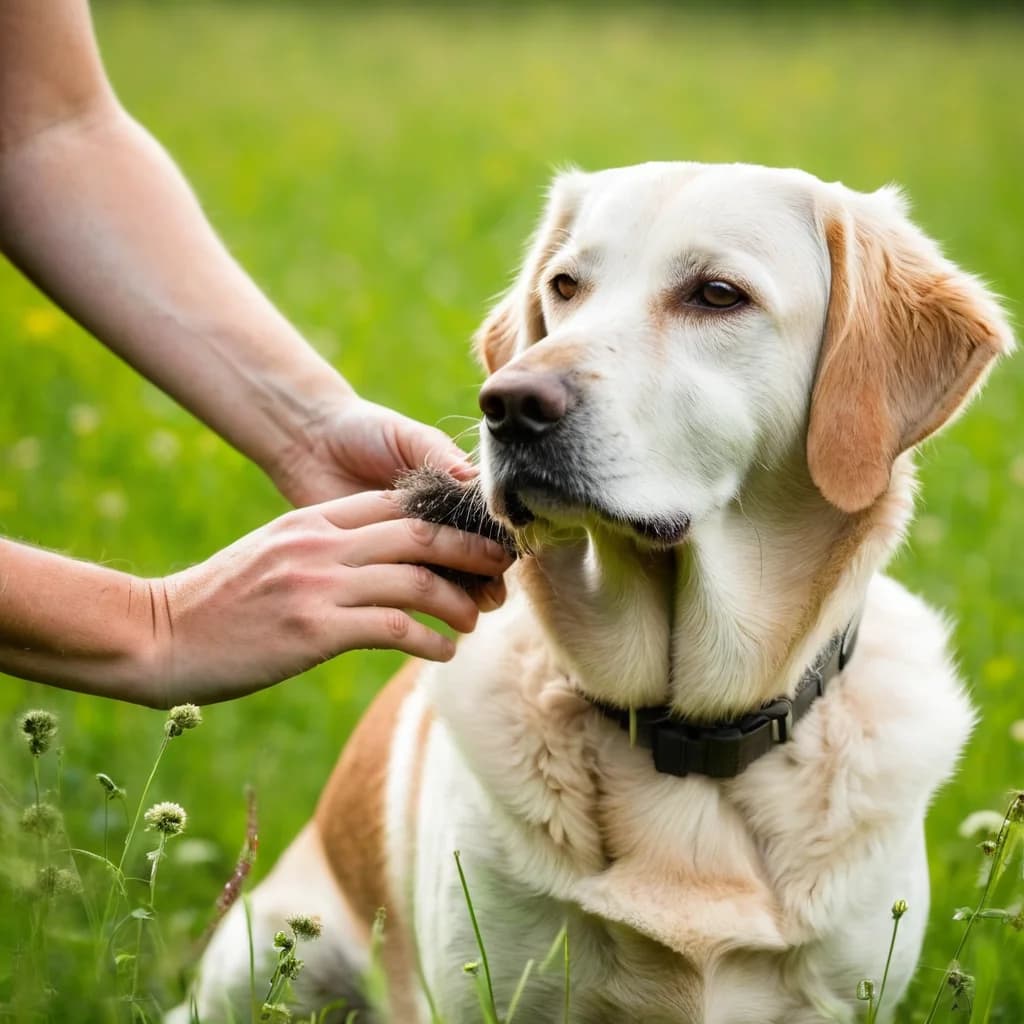

Ticks are a real headache for pet owners in spring and summer. They don't just cause itching; they spread serious diseases. In Türkiye, cases of Lyme disease, babesiosis and ehrlichiosis are rising. Monthly protection and a check after every walk are key.
Risk Seasons and Regions
- Active from March to November (peak in summer)
- Forests, grass, highland pastures
- The Black Sea region, Eastern Anatolia, rural Thrace
- Parks and gardens
Diseases They Spread
- Lyme disease (Borrelia): Joint pain, fever, kidney problems
- Babesiosis: Anemia, fever; can be fatal in dogs
- Ehrlichiosis: Low platelets, bleeding
- Anaplasmosis: Joint problems and fever
- RMSF (Rocky Mountain Spotted Fever): Rare
- Tularemia in cats: Rare but serious
Monthly Preventive Medications
- Bravecto (Fluralaner): Lasts 3 months, chewable
- Nexgard: Monthly, chewable
- Simparica Trio: Heartworm, tick and flea combo
- Advocate: Spot-on (dogs and cats)
- Frontline Tri-Act: Collar and spot-on
Checking After a Walk
After every walk, scan the whole body:
- Ears (inside and out)
- Armpits
- Belly
- Between the toes
- Under the tail
- Neck and around the collar
- Around the eyes
Steps for Removing a Tick
- Use tick tweezers (from a pharmacy or pet shop) instead of your fingers
- Grip it firmly by the head, 1 mm from the skin
- Pull straight up, without twisting
- In one quick motion
- After removal, apply antiseptic to the area (povidone-iodine)
- Keep the tick in a jar (in case the vet needs to test it)
- Fever or limping within 24-48 hours → vet
WHAT NOT TO DO
- A match or cigarette: the tick panics and releases secretions, passing on bacteria
- Oil or petroleum jelly: trying to smother it increases secretions
- Alcohol: the same problem
- Bare hands: wash your hands, there's a disease risk
Signs After a Tick Bite
Between 24 hours and 2 weeks after removal:
- Fever
- Lethargy
- Limping (that shifts from joint to joint)
- Loss of appetite
- Pale gums
- Bloody urine (a sign of babesiosis)
If you see these signs, go to an EMERGENCY VET for testing and treatment.
Yard and Surroundings
- Keep the grass short
- Clear nearby brush and tall weeds
- Remove piles of leaves
- Tick repellent spray (for the yard)
FAQ
Does an apartment dog need it? YES. Walks in the park carry a risk.
Can cats get ticks? Less often, but yes. Outdoor cats must be protected.
A yearly test? The Snap 4Dx Plus (Lyme, anaplasma, ehrlichia, heartworm) is recommended yearly.
Tick protection and emergency info are in the DoldurKabı pet health calendar.









