


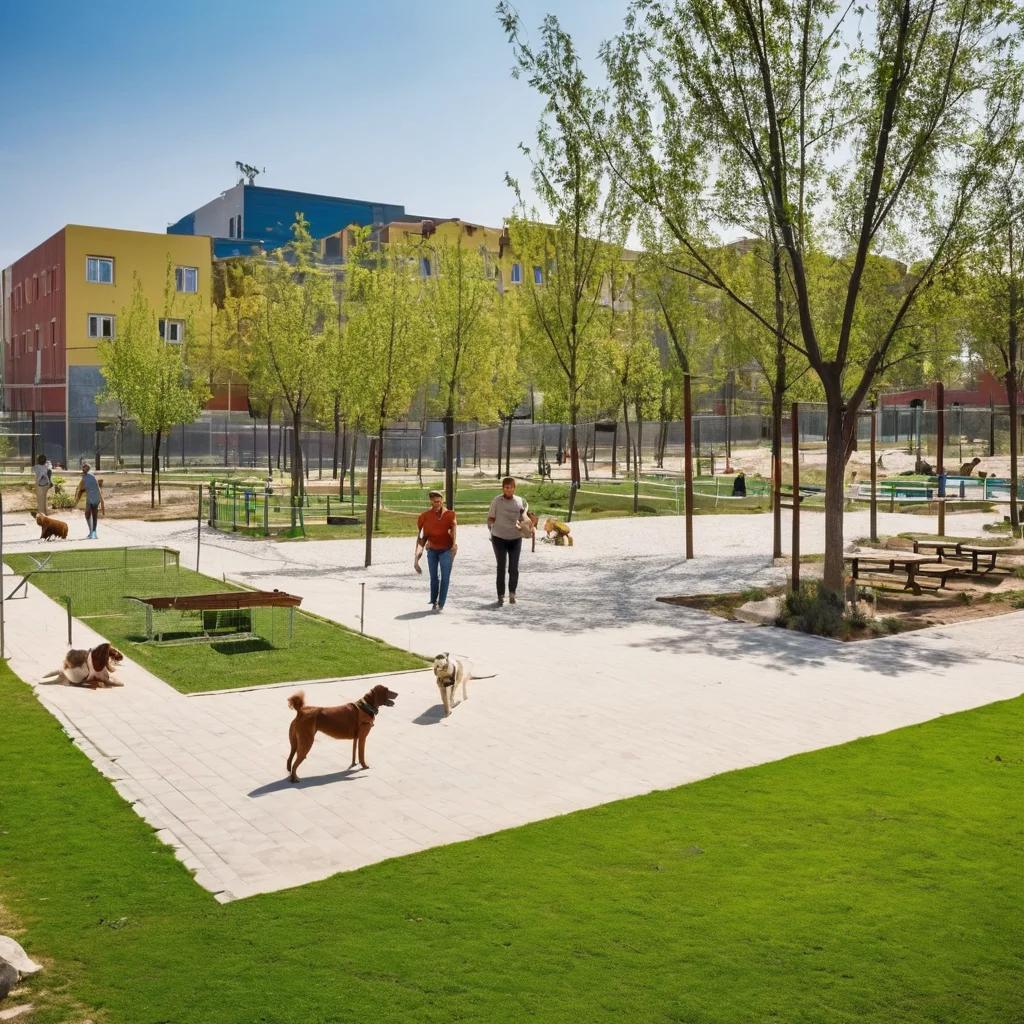

The modern city and stray animal management. Municipal responsibilities (feeding, health, adoption), pet parks, dog waste cleanup, the microchip registration system, and a comparison with the EU model. Managing how cities and pets live together. In this article, we take a detailed look at urban pet management.
1. The Municipality's Legal Responsibilities
- Law No. 5199 is the foundation.
- Municipalities care for stray animals.
- Veterinary services.
- Spay/neuter programs.
- Vaccines (rabies and others).
- Running temporary shelters.
- Adoption programs.
- Handling complaints.
- The microchip and registration system.
2. Municipal Budgets and Resources
- Legal authority, but limited funds.
- Metropolitan municipalities are active (Istanbul, Ankara, Izmir).
- Small cities and districts fall short.
- About 500-2,000 Turkish lira per stray animal per year.
- Nonprofit support and cooperation.
- Donations and sponsorships.
- EU funds (for some projects).
- Contributions from residents.
3. Pet Parks
- A city space for pets to socialize and exercise.
- Fenced and safe.
- Water, shade, waste bins.
- Off-leash play for dogs.
- A social space for owners and pets.
- Istanbul: 10+ pet parks.
- Ankara: 5+ pet parks.
- They're becoming more common.
4. Poop Patrol (Dog Waste)
- Cleaning up after dogs on the street.
- Owners carrying bags is a legal requirement.
- Municipal bag stations (in more developed cities).
- Public awareness of cleanliness.
- A system of fines (enforcement is inconsistent).
- Waste systems in pet parks.
- A developing area in Türkiye.
5. The Microchip and Registration System
- HAYVET (registration with the provincial veterinary directorate).
- MANDATORY for pet owners since 2021.
- Stray animals are spayed/neutered and microchipped.
- When a lost pet is found, the registered owner gets a call.
- Scanners at vet clinics and shelters.
- The system has matured over the years.
- Municipalities encourage owners to register.
6. Adoption Programs
- Adoption from municipal shelters.
- Online listings and social media.
- Events and adoption days.
- Cooperation between nonprofits and municipalities.
- Encouraging adoption instead of pet shop sales.
- "Choose adoption" awareness drives.
- A growing culture in Türkiye.
7. Comparing the EU
- Germany: NO stray dogs. Strict owner controls.
- United Kingdom: Few stray animals. A dog licensing system.
- Netherlands: "The world's first country without stray dogs" (2019).
- Italy: TNR is widespread. It varies by region.
- Spain: A large stray population. The country is working on it.
- Türkiye's traditions are different, and solutions are individual.
8. The Dutch Model
- 1864: the first animal protection society.
- Strict controls and laws.
- A high tax on pet owners.
- Licensed breeders.
- Controlled pet shop sales.
- A system of nonprofits plus the state.
- 2019: declared "no stray dogs".
- Whether it could inspire Türkiye is up for debate.
9. How Türkiye's Model Is Developing
- Keeping up the tradition of neighborhood feeding.
- Population control through TNR.
- Encouraging adoption.
- Banning pet shop sales (an ethical debate).
- Breeder licensing (in the future).
- Municipal investment and nonprofit cooperation.
- Public awareness and education.
- EU alignment plus a model of its own.
10. Pets and the City
- Keeping a pet in an apartment is a legal right.
- Pet-friendly restaurants and malls are common.
- Rules for pets on public transportation.
- Pet-friendly vacations and hotels.
- Are vet services enough (in villages and remote areas)?
- Pet groomers and grooming in the city.
- Are there enough exercise spaces and parks for pets?
- The lifestyle of pet owners in a modern city.
Urban pet management comes down to one formula: municipal responsibility, pet parks, microchip registration, adoption and comparison with the EU. Managing how cities and pets live together. A balance between Türkiye's traditions and a modern approach, built on cooperation between municipalities, nonprofits and residents. In the DoldurKabı app, you'll find municipal shelters, pet parks and nonprofits on a map.









