
Adopting a cat or dog from a municipal shelter in Kırşehir is a decision to take on that animal's care through every stage of its life. Homes in the city center, Mucur or Kaman may call for different safety and transportation arrangements, but time, attention and sustainable resources are basic requirements for every applicant. City life shared with Central Anatolian street cats around the Cacabey Mosque stands out in Kırşehir's character. That cultural closeness doesn't remove the risks of adopting without preparation. Without using any unverified shelter name, address, phone number or opening hours, this guide explains a general, safe process you can follow in Kırşehir.
Why starting with official information matters
Institutions' application steps, visiting arrangements and adoption announcements can change. Look for up-to-date information on the official websites of Kırşehir Municipality and the relevant district municipality. If you can't find the right section, ask through the municipality's general contact channel to be directed to the unit responsible for the care of ownerless animals. The Provincial Directorate of Agriculture and Forestry can provide verifiable official information on identification and registration. While researching other options, you can use the shelter finder page. Don't rely on an old address, phone number or visiting hours you see in a search engine without confirming it with an official source.
The common framework set by the law
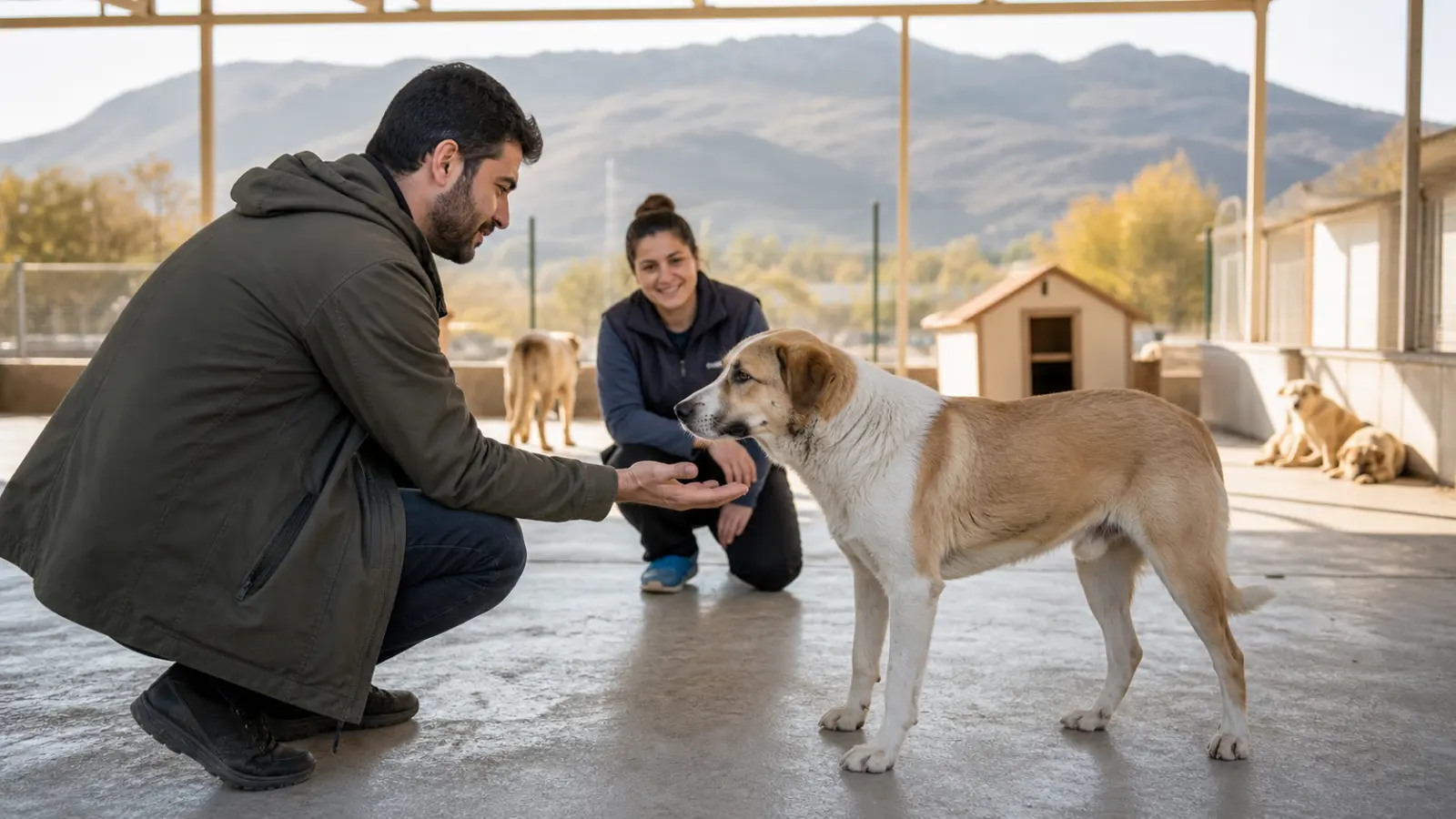
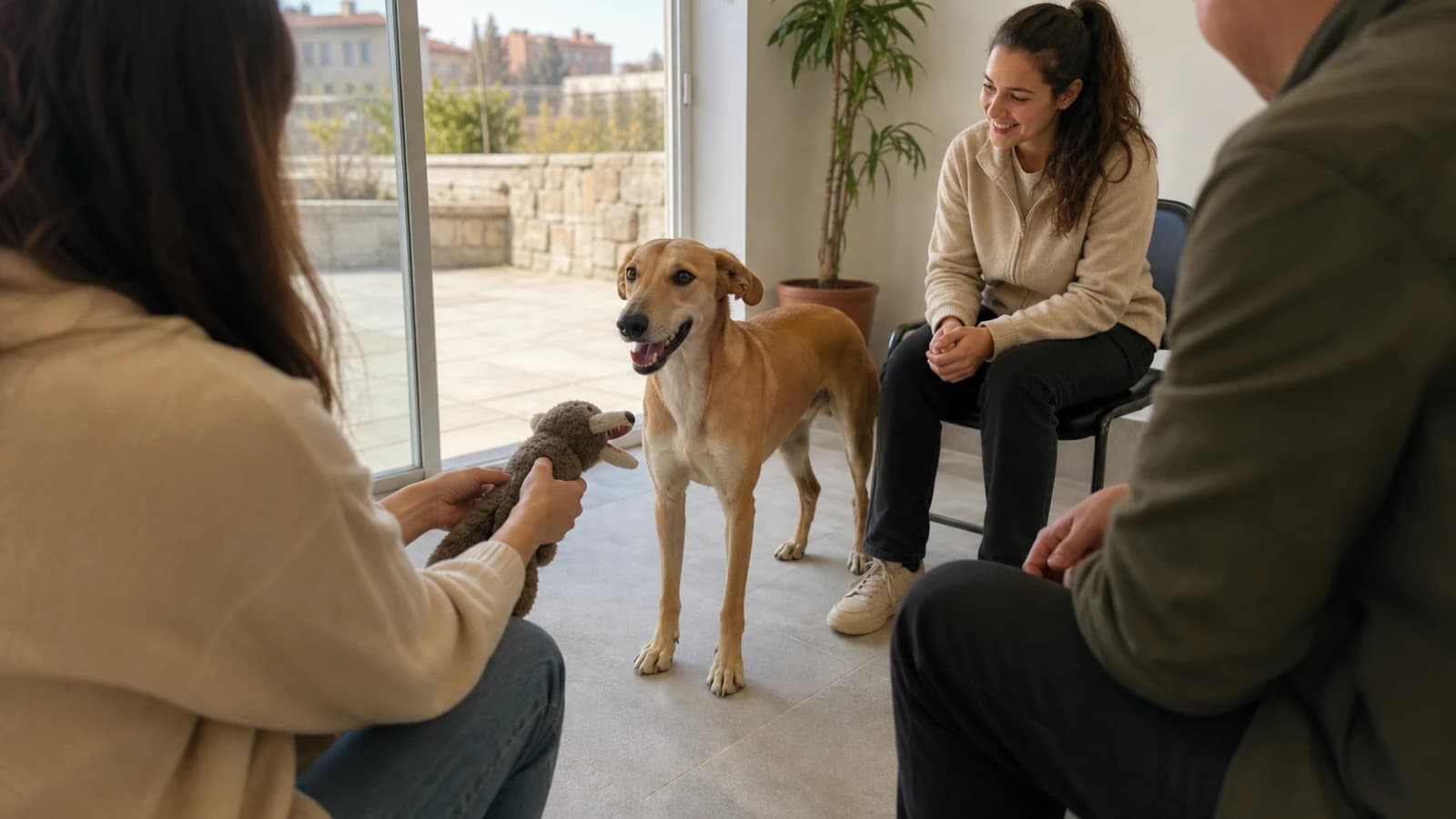
Animal Protection Law No. 5199 gives municipalities responsibilities for protecting and caring for ownerless animals. The adoption interview is a way to compare what is known about the animal with the applicant's lifestyle. Staff can explain the animal's known behaviors and records, and may ask about your household, work hours, current pets or past experience. Being honest as an applicant makes it easier to find a better match. After the handover, safe housing, feeding, exercise, vet checkups and keeping records up to date remain the adopter's responsibility.
The general application journey in Kırşehir
- Confirm the current channel: Get information about the application form, interview and visits from the official municipal unit.
- Describe how you have prepared: Be open about the safety of your home, how long the animal would be alone, family support and daily care tasks.
- Learn about the animal's needs: Talk with staff about its age, energy, how it interacts with people and its known history.
- Review the records: Ask, with documents, about the current status of vaccination, microchip and spaying/neutering.
- Read the terms: Don't sign the adoption agreement until you understand its care, notification and follow-up clauses.
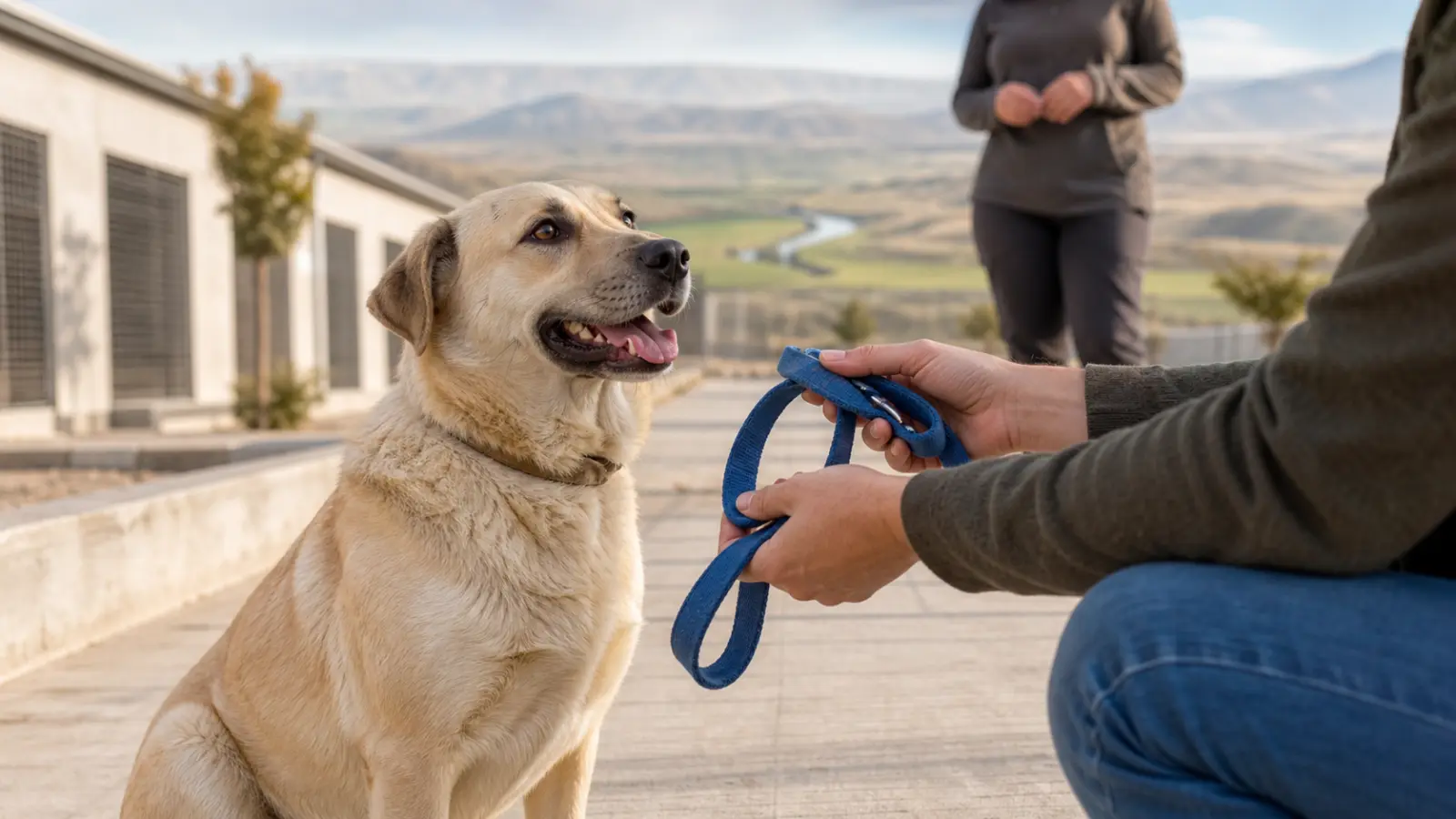
- Keep the move home calm: Have the right equipment ready ahead of time and skip unnecessary stops after the handover.
The institution's current procedure or the animal's file may require additional steps. In Kırşehir, rather than treating one person's online experience as a general rule, get the exact details from an official staff member.
Deciding based on the city's layout
The Cacabey Mosque is Kırşehir's iconic landmark; the people and traffic in the historic center can be hard on a shy animal in its first days. Start dog walks in a quiet area near home and add new routes as confidence grows. In the city center, check apartment entrances and balconies; in the different types of housing in Mucur and Kaman, check yard gates and open-land crossings. A tradition of rural dog keeping doesn't mean every dog is suited to being left outside alone. For the hot and cold periods of the continental climate, plan an indoor resting area, clean water, safe transportation and indoor activities.
Key points for preparing your home
A safe space for the new animal
Choose a room or corner away from noise where you can control who comes and goes. Set up the bed, water, food and toilet spots in fixed places. Check for gaps at windows, the balcony, the apartment door, fences and yard exits. Put medications, cleaning products, small objects and exposed cables out of reach. In the first days, let the animal retreat here and make sure no one disturbs it while it rests.
A care schedule and a backup plan
Decide who is responsible for feeding, walks, cleaning, play and keeping track of appointments. Children's roles should be under adult supervision. Before the handover, choose someone who can step in when work gets busy, during vacations or if you get sick. Keep in mind that food, routine vet care, registration and unexpected needs require an ongoing budget.
The household routine in the first 72 hours
The first three days should be set aside for the animal to get to know its safe space. Don't invite guests, don't expect constant play or contact, and don't force it out of its hiding spot. Ask how the animal was fed at the shelter and plan any food change gradually with a veterinarian. Give uninterrupted access to water. Cats shouldn't be let outside; dogs should be walked on the same short, quiet route with proper equipment. Note appetite, water intake, toilet habits, rest and social reactions so you can track unusual changes more accurately.
Contact with the pets you already have
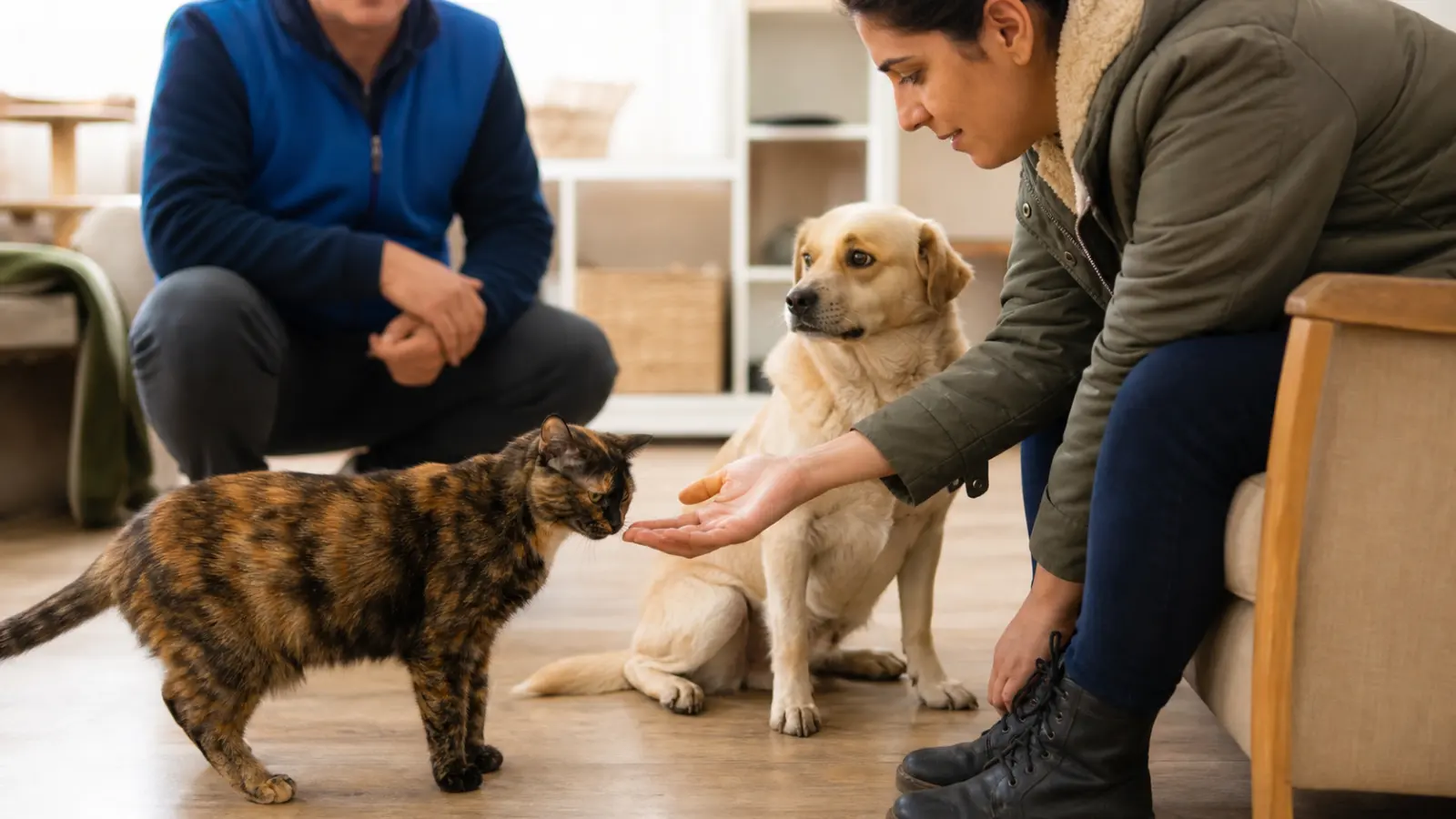
Instead of bringing the newcomer face to face with your current cat or dog right away, use separate spaces. Swap cloths carrying their scents in a controlled way and provide all basic resources separately. Dogs' first meeting can be a parallel walk in a calm, neutral place, managed by two people. For cats, a short meeting through a barrier can be considered after scent swapping behind a door. Don't punish nervousness; increase the distance and shorten the time. If the tension doesn't ease, get help from a behavior specialist.
Notes to take at the Kırşehir handover meeting
At the Kırşehir meeting, ask staff about the animal's daily feeding and resting routine, how it approaches people, its known fears and its experience with a carrier. With the travel time home toward the center, Mucur or Kaman in mind, prepare a safe setup in the car and a calm route into the house ahead of time. For Kırşehir, find out which records the institution will hand over and what it expects from you as part of follow-up; don't make firm assumptions about timing or contact methods. Rather than filling in health or behavior details the Kırşehir staff member doesn't know with guesses, turn them into questions for a veterinarian or behavior specialist. Don't combine the Kırşehir handover day with long visits or crowded shopping trips; go straight back to the space you have prepared. Sharing the notes from the Kırşehir meeting with your household helps everyone follow the same care routine and gives the animal a predictable start.
Before the Kırşehir handover, check the carrier once more; having the quiet space at home ready and the care tasks shared out reduces unnecessary confusion on the first evening.
A lifelong care perspective
Consider that as the animal ages, it may have different needs for movement, comfort and vet care. Have a backup plan for how care will continue if you move or change jobs. You can find local listings in Kırşehir on the Kırşehir adoption page and other city-focused content in the Kırşehir city guide. If your household doesn't agree on the responsibility, postponing the handover is the right decision, and it reduces the risk of abandonment later on.
Frequently Asked Questions
Where do I apply to adopt in Kırşehir?
Check the official announcements of Kırşehir Municipality or the relevant district municipality, and if needed, ask through the general contact channel to be directed to the responsible unit.
Do I need to own my home to apply?
How housing is evaluated depends on the institution's current practice. If you rent, clarify the terms of your lease and your long-term housing plan in advance.
How do I check the animal's health records?
Ask staff about the current status of vaccination, spaying/neutering and microchip information, and keep the documents you receive to use at vet checkups.
If my new cat is hiding, should I take it out?
If it's in a safe place, don't force it. Make sure it has access to water, food and the litter box, and let it get used to its surroundings at its own pace.