


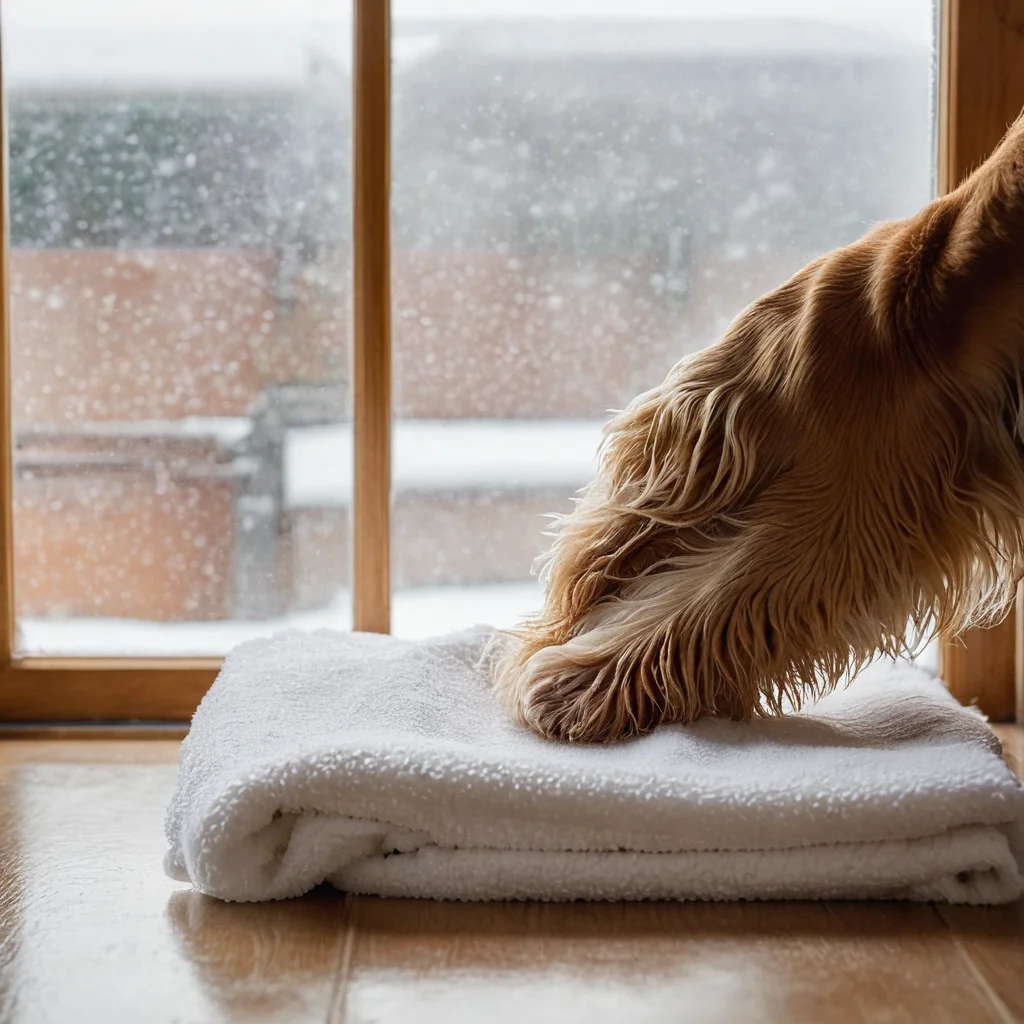

In winter, the de-icing salt that municipalities spread on roads and the layer of ice cause serious problems for your dog's paws: cracking, burning, dryness and chemical irritation. It can be as dangerous as hot asphalt in summer, but it gets talked about less. This post covers the basics of winter paw care, a 3-minute daily routine at home, products and common problems.
1. Winter Paw Challenges
- Salt + chemical de-icers: Sodium chloride + calcium chloride burn the paw and are toxic if swallowed.
- Ice layer: Small ice balls that build up between paw pads are painful.
- Sharp temperature changes: Warm home → cold outdoors = cracking in the paw pads.
- Dry air + heaters: Dryness indoors reduces the moisture in the paws.
- Hidden wounds: Paw wounds under the fur get noticed late.
2. Before the Walk
- Apply paw balm: A natural balm (shea + calendula + beeswax) forms a barrier. Apply it 2-3 minutes before the walk.
- Fur trimming: Keep the long fur between the paw pads short; this prevents ice buildup.
- Dog boots (an alternative): Simple rubber boots sold in stores. Some dogs accept them, some refuse. Getting used to them takes 1-2 weeks.
- Walking route: Choose parks, grass and dry sidewalks over salted streets.
3. The 3-Minute Routine After the Walk
- A doormat by the door when you come in: Let your dog take a few steps on it.
- Wash the paws in lukewarm water: A bucket of lukewarm water (not hot) + dip each paw for 5-10 seconds + wipe.
- Drying: Use a soft towel and dry between the paw pads too. Moisture = fungal growth.
- Check for cracks: Look over the paw pads. If there is bleeding, redness or a split, take care of it.
- Reapply balm: In very dry weather, add a second layer of balm.
This routine takes 3 minutes + prevents cracks and wounds for life.
4. The Danger of Swallowing Salt
Dogs lick the salt left on their paws. Sodium/calcium chloride causes irritation of the mouth + throat and, if swallowed in large amounts, poisoning. Signs:
- Excessive drooling.
- Vomiting.
- Diarrhea.
- Excessive thirst.
- Trembling in advanced cases.
These signs are common in winter in dogs whose paws aren't cleaned. Prevention: always wash after every walk.
5. Cracked Paw Pads: Treatment
Mild
- Balm twice a day.
- Keep them clean at all times.
- Avoid long walks for 3-5 days.
Moderate: Bleeding or an Open Wound
- Wash with an antiseptic (chlorhexidine).
- Sterile gauze + bandage.
- An Elizabethan collar (to stop licking).
- A vet exam; some cases need antibiotics.
Severe: Infection, Swelling, Discharge
- Emergency vet.
- Systemic antibiotics + topical treatment.
- Limited activity for 1-2 weeks.
6. Dog Boots: Getting Used to Them
- Days 1-3: Leave the boots next to your dog. Let them sniff and get used to them. Pair them with treats.
- Days 4-6: Put a single boot on 1 paw + treat. Take it off after 1-2 minutes.
- Days 7-10: 4 boots + a 5-minute walk indoors + treat.
- Day 11+: A short walk outdoors. Full adjustment takes 2-3 weeks.
7. Indoor Measures
- Dry air at home: Humid air instead of a dehumidifier helps the paws and the coat.
- Check the bed: Keep your dog's bed dry + warm. Not directly on a cold floor.
- Coat care (for long-haired dogs): Brush the fur on the paws too; this reduces snowball buildup.
8. Paw Support for Stray Animals
In winter, stray animals are much more exposed to paw injuries. Simple ways to help:
- A small dry box or wooden shelter at your building entrance.
- A doormat or a piece of old rug on the ground.
- Food + lukewarm (not frozen) water.
- Injured stray animal = municipal vet (153) or a nearby clinic.
9. Frequently Asked Questions
Is petroleum jelly good for paws?
It works a little as a barrier, but you don't want your dog swallowing it when they lick. Choose a natural balm made for pets (shea, calendula).
Are dog boots a must?
No. A paw balm + washing routine is enough in most cases. In cities with heavy snow + salt (Europe, for example), boots are common, but in Türkiye it depends on the situation.
How do you stop licking when there is a paw wound?
An Elizabethan collar is the most reliable; boots or socks also help, but they slip off.
Do paws need washing even after a very short trip outside?
For a 5-minute outing, if your dog didn't touch a salted sidewalk, a quick check is enough. When you're not sure, the rule is to wash.
Do puppies need extra attention in winter?
Their paw pads are thin + more sensitive. No long walks; check often + use balm. Below -5°C, limit their time outdoors.
Are cats affected by this problem too?
Indoor cats very little; for outdoor cats, salt + cold = the same problems. Paw wounds on street cats get noticed later.
Can paw dryness happen all year?
Yes, especially from dry air in homes where heaters + air conditioning run constantly. A year-round balm routine is a good habit.
Final Word
Winter paw care is a small but meaningful habit. A 3-minute daily routine = healthy paws for life. Lukewarm water, a towel and balm by the door = happy winter walks for your dog.
For paw care routines + product notes, see DoldurKabı Pet Health Tracking.
This guide is for information only; for a serious paw injury, see your veterinarian.









