


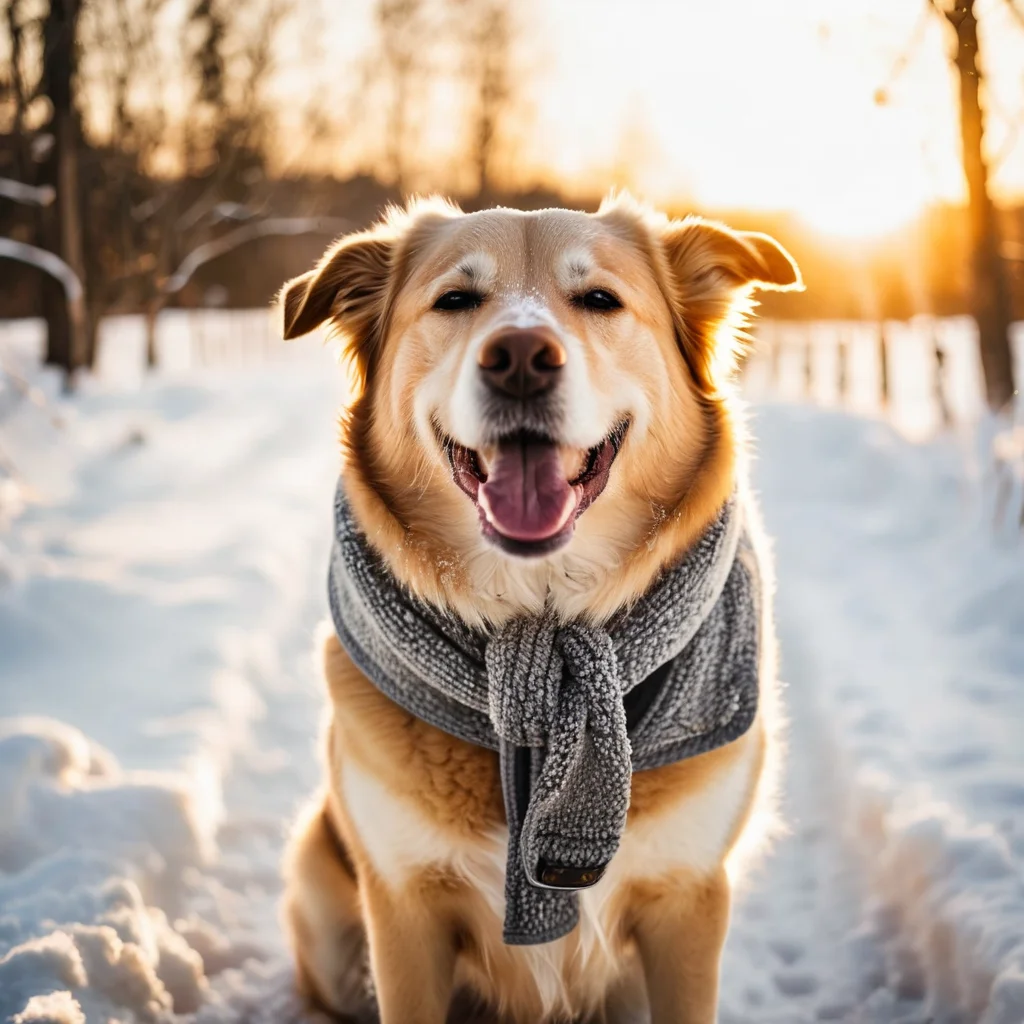

Winter can be tough for dogs, especially short-haired dogs, puppies, seniors and those living at high altitude. With preparation that starts in mid-fall, your dog gets through winter comfortable + safe.
Clothing Needs
Breeds That Need a Coat
- Short-haired: Pitbull, Greyhound, Doberman, Boxer
- Small breeds: Chihuahua, Pomeranian (puppy), Yorkshire
- Puppies (any breed)
- Senior dogs
- Sick dogs (recovering)
A Coat Isn't Recommended
- Husky, Malamute (undercoat + topcoat = their own protection)
- Kangal Shepherd Dog (Kangal), Akbash (native breeds suited to harsh climates)
- Bernese Mountain Dog
Choosing a Coat
- Waterproof outer layer
- Soft inside
- Belly coverage (a dog's belly gets cold fast)
- Free movement for the neck + shoulders
- Correct length measurement
Paw Boots
- De-icing salt burns paws
- Snow + ice are extremely cold
- Brands: Ruffwear Grip Trex, QUMY
- Getting used to them takes 1-2 weeks
- Paw balm as an alternative (Musher's Secret)
Walk Times
- Late morning (after 10 a.m., once the sun has warmed things up)
- Afternoon (the warmest time)
- Evening, before dark
- Short walks on very cold nights
Nutrition
- Outdoor dogs + large dogs: 10-15% more calories (used up keeping the body warm)
- Apartment dogs: a normal portion if activity is low
- Omega-3 (skin + coat + joints)
- High-quality protein
Joints + Senior Dogs
- Cold makes joint pain worse
- Glucosamine + chondroitin supplements
- A warm bed (heated bed)
- Regular (short) walks: staying inactive is bad
- Cut down on stairs
Skin + Coat
- Dry air from central heating → dry skin, dandruff
- Moisturizer (vet-approved, made for pets)
- Infrequent baths (loss of natural oils)
- Regular brushing (circulation, coat health)
Antifreeze WARNING
Winter is car maintenance season. Antifreeze tastes sweet, dogs drink it → FATAL kidney failure. Clean up leaks right away and keep it where animals can't reach it.
Helping Stray Animals
- Food + water (check that it isn't freezing)
- Put a blanket + heated bed in a corner
- A cat house (a larger version for dogs)
- Contact the municipality
Emergency Signs (Hypothermia)
- Shivering
- Lethargy
- Slow movement
- Tongue lolling (ventilation)
- Confusion
→ A warm room + a lukewarm (not hot) blanket + EMERGENCY VET
FAQ
Dogs sleep more in winter. Is that normal? Yes, activity drops and fewer calories are burned.
Is walking on ice safe? Use paw boots + stick to main roads (stay away from frozen ponds).
Do apartment dogs wear clothes? It helps short-haired + small breeds.
Winter pet care guides are in the DoldurKabı pet health system.









