



Losing an animal is hard in any season, but in winter time is tighter. Cold, wet and wind make a small delay bigger, and early darkness shortens the hours you can search. This post lays out an order you can follow step by step instead of wandering around in a panic.
The basic logic is this: first search nearby and tight spaces, then widen the radius, and at the same time start your listing and the neighborhood alert. If you are searching alone, the order matters even more, because you can't cover every direction at once.
The first hour: setting the right priorities in the cold
Write down the moment and place you noticed the animal was missing. The time, which side of the door, the last direction it was seen. These three details shape both the search and the alert you will send out later. Then, instead of running and shouting, use the call word the animal is used to in a calm voice.
In winter, the priority in the first hour is not a wide area but nearby, sheltered places. A frightened animal usually takes cover in the closest tight, warm space before going far. A search that moves away from home often wastes the hours when the animal is still around the building.
Pack a small bag: a flashlight, a leash or carrier, a blanket that carries its scent, some of its food and a power bank for your phone. Not having equipment on hand when you find it can lead to a second escape.
Before you leave the house, leave the door ajar or make sure someone stays home. Some escaped animals come back on their own, and a closed door wastes that return. Putting the litter box by the door for cats and leaving the yard gate open for dogs are simple steps that work.
Where they hide in winter
In the cold, the search for shelter focuses on certain spots. Places to check quietly with a flashlight:
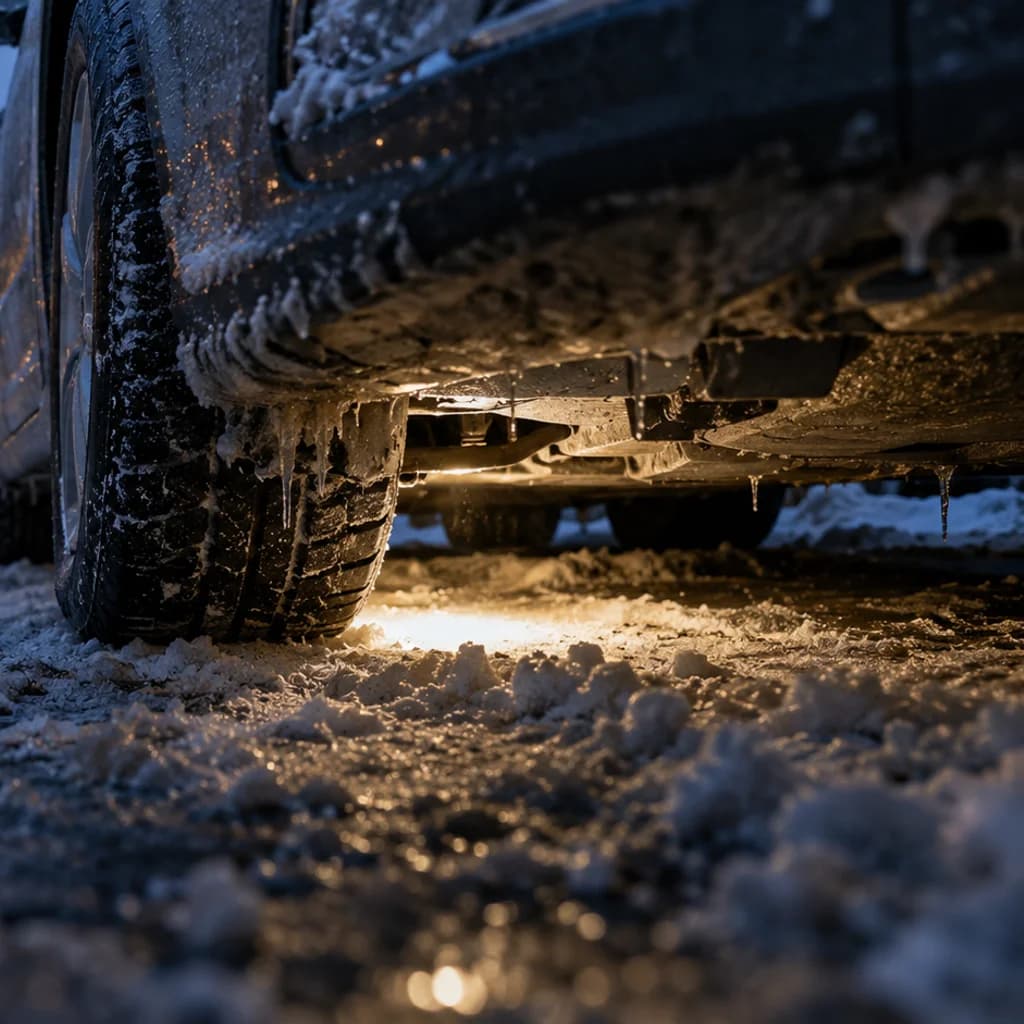
- Under parked cars and inside the engine compartment. On cold nights cats may climb onto a warm engine; tapping on the hood before turning the key saves lives.
- Basements, coal cellars, parking garages, elevator shafts and technical rooms under apartment buildings.
- Gaps near warm surfaces, such as under stairs, around the boiler room and behind the gas meter box.
- Under bushes, piles of construction material, empty boxes, under balconies and behind trash containers.
- For dogs, also park exits, familiar walking routes and the way home.
As you search, stay quiet for a few seconds at each spot and listen. A frightened animal can hide without making a sound; a rustle or a short meow is often the only sign. You need to go back to the same places several times during the day, because the animal may be moving around.
How to widen the radius
When you have finished around the building, expand the area ring by ring. First your street, then the two or three streets around it, then wider areas like parks and empty lots. Mark the places you have searched on a map; otherwise you will search one street three times and another not at all.
If there are several of you, don't send everyone in the same direction. Split up the directions, stay connected by phone and gather every clue with one person. Because flashlight beams can cause fear in the dark, you will get better results by sweeping the light along the ground rather than shining it straight into the animal's eyes.
Cats and dogs wander off in different ways. Cats mostly stay nearby and hide, while dogs can get a few streets away in a short time. So if you are looking for a dog, it makes sense to widen the radius faster; if you are looking for a cat, search the same small area more times. For dogs, roadsides, highway ramps and busy traffic spots should also be checked first.
Searching in the cold is physically tiring too. Dress in layers, take gloves and a hot drink, and don't stay outside alone for hours. Fatigue lowers the quality of the search; taking a break to warm up is more effective than going on without stopping.
What to write in your listing
The job of a listing is not to convey emotion but to make the animal easy to recognize. A good listing includes:
- A clear photo: taken in daylight, showing the whole body and highlighting any distinctive markings.
- The date and time it went missing, and the street and direction where it was last seen.
- Species, estimated age, size, coat color and pattern, and collar or tag details.
- Whether it has a microchip, and two phone numbers where you can be reached.
- A behavior note, such as whether it is skittish, runs off when approached or comes when called.
Gathering this information in one place works better than text that loses details as it travels through message chains. When you post a listing on the lost pet listings page, it is shown with its location, and when the listing goes live in the DoldurKabı app, users nearby get a notification. That is all it does: get the information to people in the area. The search itself is still done by you and the neighborhood.
Alerting the neighborhood
Physical notices still work. A sheet left at the building entrance, the corner shop, the café, the vet's waiting area and the neighborhood headman's office also reaches neighbors who spend little time outside in winter. If you put the paper in a plastic sleeve, it won't fall apart in the rain.
The people you really need to reach are the ones on the street early in the morning: building attendants, street cleaners, couriers, the simit seller, market staff and neighbors who feed stray animals. Show them the photo and leave your number. Also let local groups that care for stray animals know; since some found animals are handed straight to shelters, you need to check there too.
Don't just call shelters and the local government's animal unit; if you can, go and look for yourself. Matches made from a description over the phone often turn out wrong, because animals of the same color and size can't be told apart over the phone. Repeat your visit every few days, since new arrivals keep changing.
A word of caution: people with bad intentions may also see your listing. Not writing the reward amount in the listing, meeting in a crowded, well-lit place, taking someone with you and not sending money before you have the animal are basic precautions. Keeping one detail to yourself when describing the animal also helps with verification.
The first check once it is found
When you find it, don't try to scoop it up right away. Crouch down, approach from the side and let it recognize you before you reach out your hand. An animal that has been outside for days may even bite its owner; using a carrier or blanket protects you both.
When you get home, set up a warm, quiet corner, and don't put it right next to a stove or heater. If there is trembling, weakness, limping, wounds on the paws, wet fur, loss of appetite or a change in breathing, see a veterinarian. After days outside, it makes sense to get a checkup for parasites and cold-related problems even if there are no visible symptoms.
Frequently Asked Questions
What hours should I search in winter?
Early morning and evening darkness are good for searching by listening, since the streets get quiet. Around midday, checking sheltered corners that get sun helps. Don't settle for one round; go back to the same places at different times.
Does leaving the smell of food help?
Putting its own blanket, litter box or familiar food by the door helps some cats come back. Keep in mind that this will also attract other animals from the street, and check the doorway regularly.
What should I do if there is no microchip?
The search and listing process works the same way; highlighting distinctive markings, the photo and the behavior note becomes even more important. After the animal comes back, talking to a veterinarian about getting a microchip and updating registration details is a good step.
After how many days should I stop searching?
Lost animals can be found days, sometimes weeks, later. Keeping the listing open, keeping neighbors informed and checking shelters regularly mean the search is still on. You can slow the pace, but not closing the listing early gives better results.









