
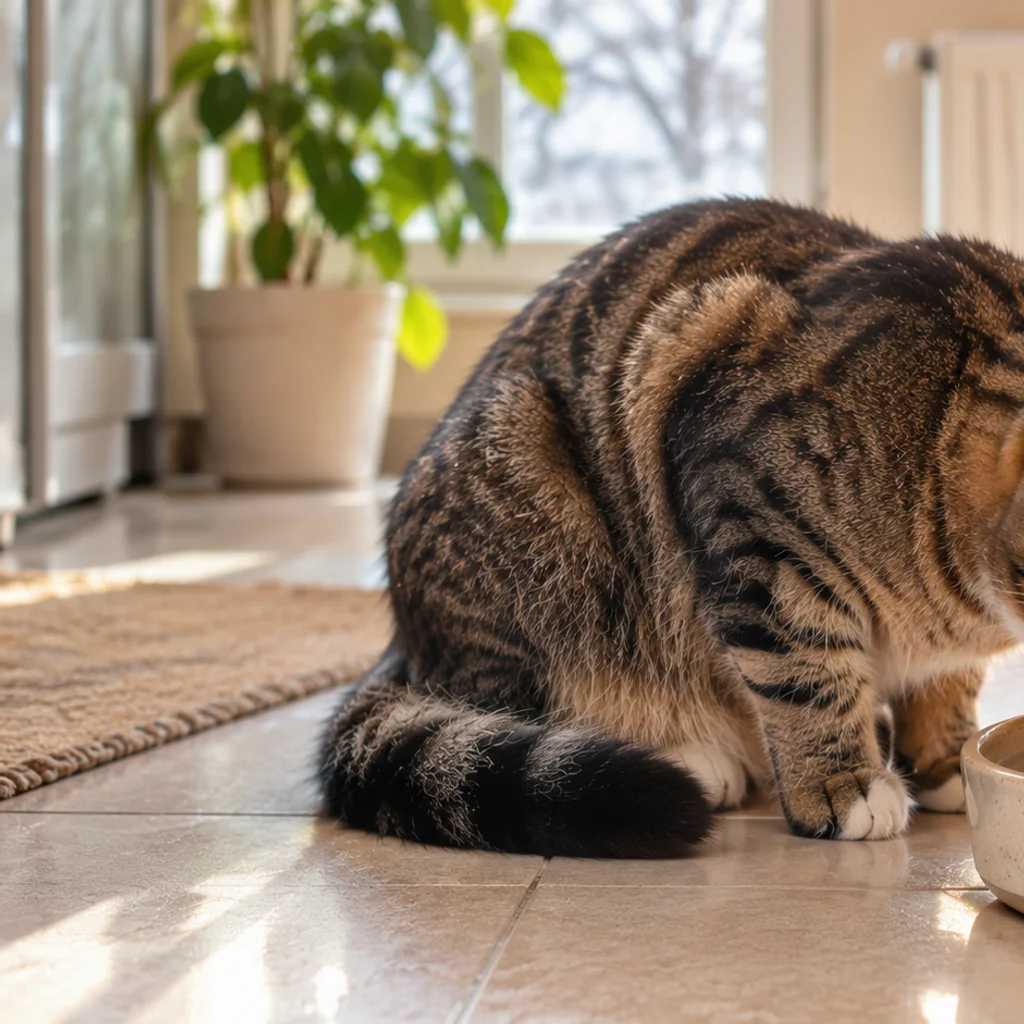

Cats don't draw much attention when they drink. They stand at the bowl for a few seconds, take a few sips and walk away. That's why most cat owners don't really know how much water their cat drinks. In the winter months, this becomes even more important, because the air dries out in homes heated by radiators and stoves, cats move around less and the water bowl is often forgotten.
In this article, we explain why cats tend to drink little, why this matters more in winter and how you can support their water intake with simple methods you can use at home.
Why do cats drink so little?
The ancestors of today's house cats lived in dry regions and got a large share of their water from the animals they hunted. That's why cats don't respond to thirst as strongly as dogs do. A cat eating wet food gets some of their water from the food, while a cat eating dry food has to get most of what they need from the bowl.
Cats are also quite picky about how fresh the water is and the bowl's location and shape. A water bowl that's stale, dusty or too close to the food can be enough to make a cat lose interest.
Why does water intake matter more in winter?
- Dry indoor air: Heating systems reduce humidity in the air. Dry air can increase water loss through the airways and skin.
- Less activity: In winter, cats sleep more and roam less. They pass by the water bowl less often.
- Preference for warm spots: A cat lounging for hours next to the radiator or stove may stay far from the water bowl.
Drinking enough water is important, especially for urinary tract and kidney health. So paying a little more attention to your cat's water routine in the winter months is a good habit. For the effects of dry air on coat and skin, you can also check out our article on heating season and indoor air.
Set up the water bowl around your cat
Pick the right spot
Place the water bowl a little away from the food bowl, not right next to it. In nature, cats avoid drinking water close to their prey, and this instinct carries on in house cats. Next to the litter box is no place for water at all. A quiet corner with little foot traffic, where your cat can sit with their back to the wall, is ideal.
More than one water station
Putting several water bowls in different rooms of the house raises the chances your cat comes across water during the day. Placing a bowl near the warm spot your cat loves all winter works especially well. In multi-story or large homes, it's good to have a water station on every floor.
Bowl shape and material
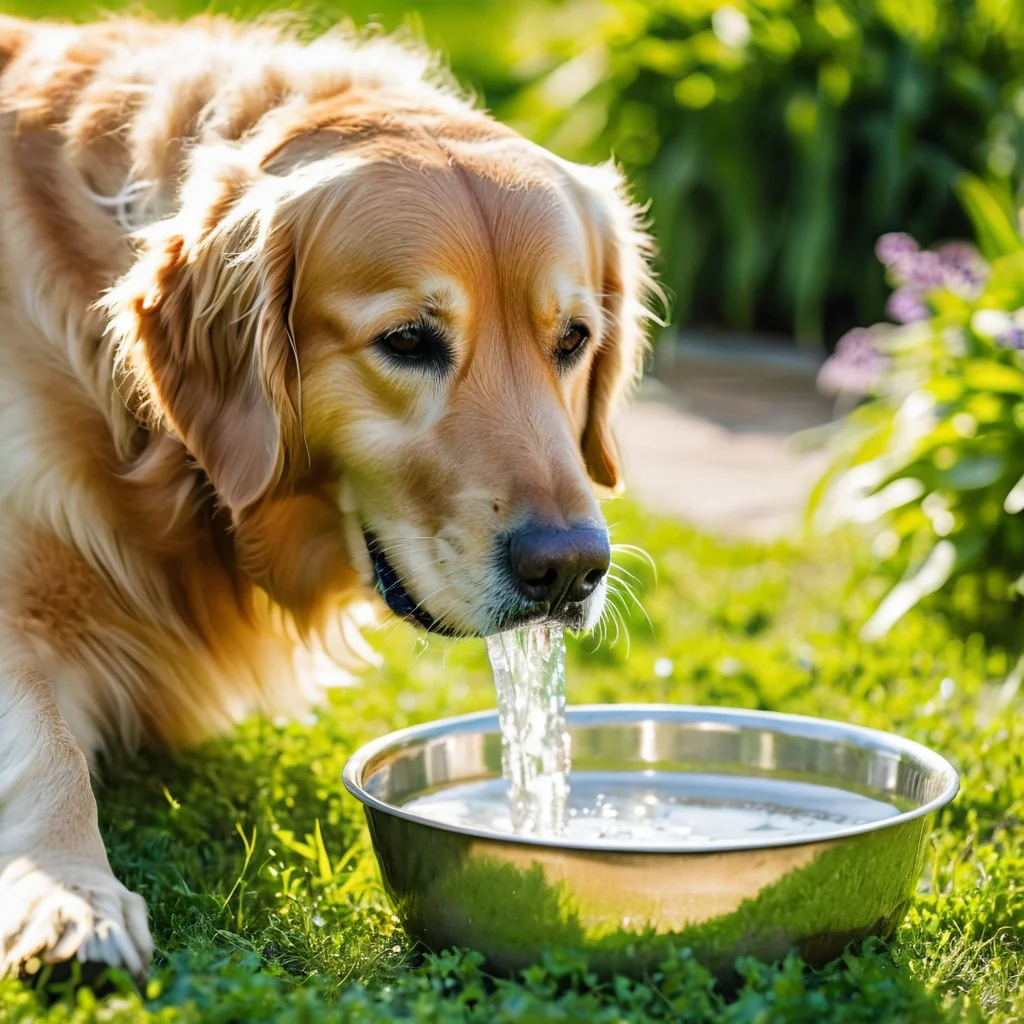
Many cats don't like their whiskers touching the edge of the bowl. That's why wide, shallow bowls are preferred over deep, narrow ones. Ceramic, glass or stainless steel bowls are easy to clean and don't hold odors. Plastic bowls can get scratched over time and hold onto smells.
Fresh water every day
Change the water every day and wash the bowl regularly. Some cats prefer room-temperature water, while others like it a bit cooler. Watch your cat's preference and fill the bowl accordingly.
Running water may catch their interest
Some cats show a special interest in water running from the faucet. Moving water seems fresher and safer to them. A water fountain can be a good option for these cats. When choosing a fountain, go for a model that's easy to clean and change the filter at the interval the manufacturer recommends. A dirty fountain is no better than a still bowl.
Even if you don't use a fountain, letting your cat drink from the faucet can increase how much they drink now and then. But it shouldn't become their only water source.
Water support through food
Thanks to its high moisture content, wet food makes an important contribution to your cat's daily water intake. If you feed your cat only dry food, adding wet food to their daily routine can be a practical way to support water intake. Before changing their diet, especially if your cat has a health problem or a special diet, talk to your veterinarian.
Some owners add a little lukewarm water to wet food to raise its moisture content. If your cat accepts it, it's a method that works. Always make food changes gradually; sudden changes can cause digestive problems. To get an idea of your cat's daily needs, you can use the pet food calculator.
Multi-cat homes and senior cats
In homes with more than one cat, the water bowl sometimes turns into a quiet area of competition. A shy cat may hesitate to approach a bowl in a corner the dominant cat often passes through. That's why, in busy homes, adding more water stations and spreading the bowls across different rooms helps every cat drink comfortably.
Senior cats, on the other hand, may struggle to reach high places or faraway rooms because of stiff joints. Keeping the water bowl close to where your cat spends time and at an easy-to-reach height makes a big difference for them. Since changes in water intake can mean more in senior cats, it's a good idea to keep a closer eye on things during this stage and not skip routine checkups.
How do you track water intake?
It's hard to measure exactly how much your cat drinks, but you can notice changes. Fill the water bowl to the same line every morning and see how much has gone down the next morning. The number and size of clumps in the litter box also give you an idea; a clear change in urine amount is a sign worth paying attention to.
When should you talk to a vet?
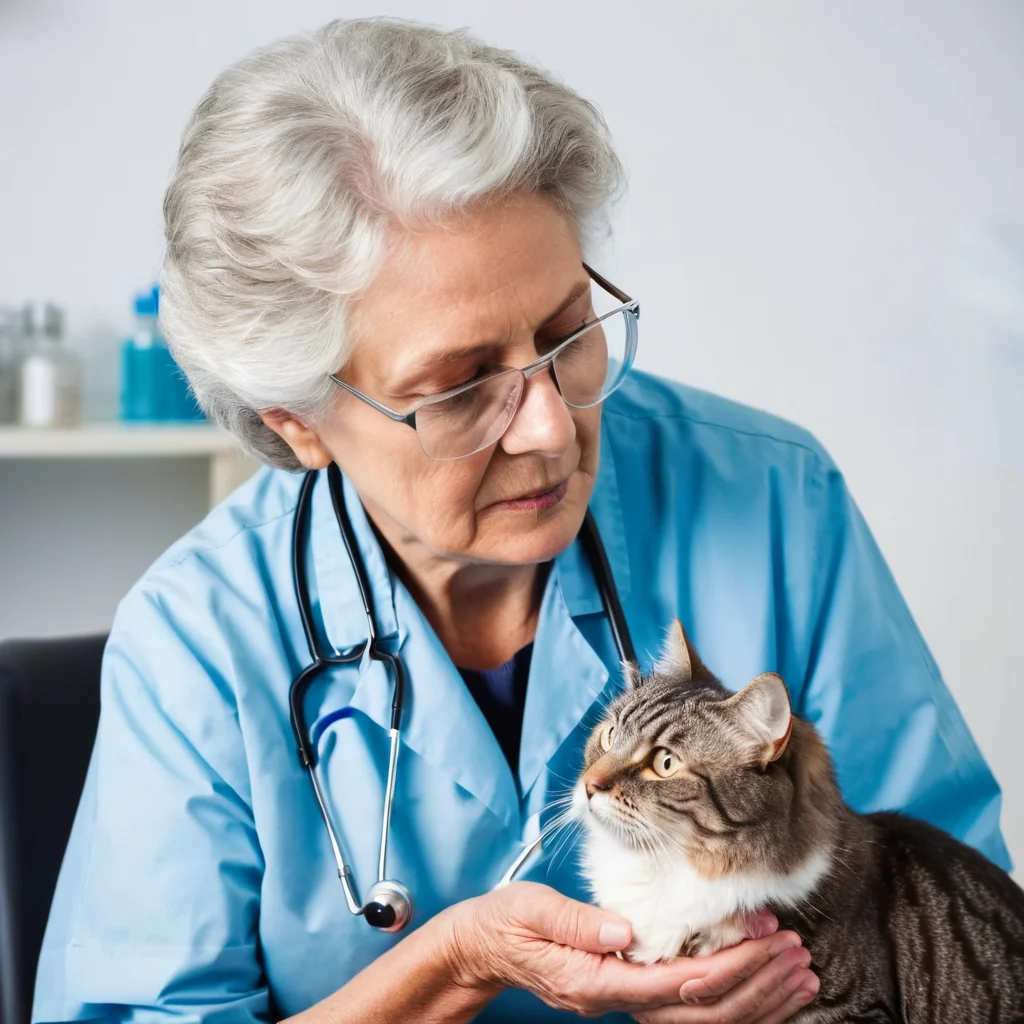
Drinking too little and suddenly drinking much more can both be important signs. If you notice any of the following, talk to your veterinarian:
- Your cat suddenly starts drinking noticeably more water and urinating more often
- They go to the litter box often but pass little urine or strain
- You see blood in their urine or they start urinating outside the litter box
- There is loss of appetite, lethargy, vomiting or weight loss
Being unable to urinate is an emergency, especially in male cats, and you need to reach a vet without waiting. To find a place that's open at night, you can use the emergency vet page.
Frequently Asked Questions
My cat seems to never drink water. Is that normal?
Cats eating wet food may drink very little from the bowl, and this is usually normal. A cat eating dry food, however, should drink from the bowl regularly. If their urine amount and general condition are normal, there's most likely no problem, but if you're not sure, talk to your veterinarian.
Is it okay to add something to the water bowl?
Don't add flavoring, sugar or salt to the water. The right drink for a cat is clean, fresh water. Changing the bowl's location, shape and number are safer ways to increase water intake.
Is a water fountain a must?
It's not a must. Many cats happily drink from a shallow, clean bowl. A fountain is a useful option for cats who love running water, as long as it's cleaned regularly.
Should I give my cat lukewarm water in winter?
Room-temperature water is fine for most cats. Some cats may prefer slightly lukewarm water. You can decide by watching which one your cat drinks more of.