


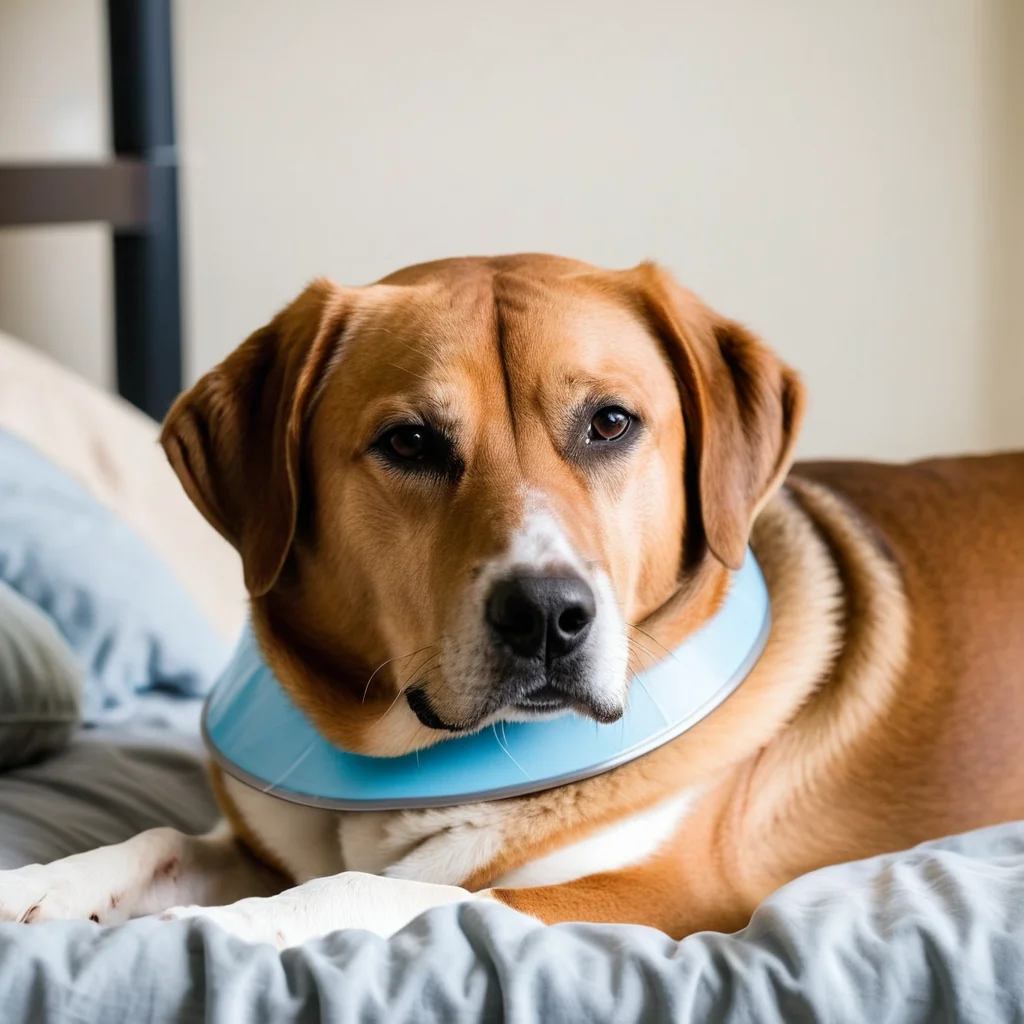

Spaying or neutering is, for a dog or a cat, one of the most valuable veterinary procedures for lifelong health and behavior. But the attitude "the surgery's over, we're home, it'll heal" is a mistake. The first 14 days are a critical recovery period; the wrong care can lead to infection, a reopened incision, a permanent wound or even serious complications. In this article we go through the hour-by-hour protocol from the first 24 hours to day 14 after spaying or neutering, incision care, the e-collar debate, managing diet and activity, and monitoring hormonal changes in detail.
1. The Spay/Neuter Surgery: Which One Is More Complex?
How the surgery differs by sex:
- Female (ovariohysterectomy): Abdominal surgery. The ovaries and uterus are removed. A 3-5 cm incision along the midline of the abdomen. Recovery takes 10-14 days.
- Male (castration): The testicles are removed through the scrotum. A smaller incision (1-2 cm). Recovery takes 7-10 days.
The male surgery is simpler, but both need the same careful aftercare.
2. The First 24 Hours After Coming Home
- A quiet room: Away from other pets. A calm, not-too-bright space.
- A soft bed: An area with a blanket that's easy to clean.
- Offer water; food after 4-6 hours: The stomach is sensitive after anesthesia. Start with small sips of water.
- Restricted movement: Jumping, running and playing are NOT ALLOWED. Only short walks for bathroom breaks.
- Medication schedule: Give the painkillers and antibiotics your vet prescribed exactly on time.
- Check the incision: Any redness, bleeding or discharge?
- The e-collar at all times: So your pet doesn't lick the incision.
Check constantly the first night, every hour. Anesthesia can cause grogginess, vomiting and loss of balance; these are normal but should be watched.
3. The E-Collar (Cone of Shame): Is It Necessary?
Yes, the e-collar must stay on for the full 14 days. No exceptions. If your pet licks the incision:
- Bacterial infection (bacteria from the mouth get into the wound).
- The incision can reopen; the wound opens and internal organs may become visible.
- "Self-trauma": the pet tears the stitches out completely, and a second surgery is needed.
Alternatives:
- Classic plastic e-collar: Very effective but uncomfortable. Be patient for 14 days.
- Soft inflatable collar: More comfortable, but some pets can still reach the incision.
- Recovery suit (body sleeve): Covers the abdomen. Ideal for pets with an abdominal incision (females).
- Soft bandaging: Should be applied by the vet.
4. Incision Care: Daily Checks
Check the incision area 1-2 times every day:
- Color: Light pink = normal. Bright red, purple, dark red = vet.
- Discharge: A little clear fluid = normal. Bloody, pus-filled, foul-smelling = vet.
- Swelling: Slight swelling = normal. Excessive swelling or hardness = vet.
- Temperature: The surrounding tissue should feel cool. Very warm = infection.
- Opening: If the gap between stitches has widened or opened = emergency vet.
To clean the incision area, NO washing with water; use gentle contact with a damp cotton pad (not on the wound itself, only cleaning around it). Don't use soap, alcohol or sterilizing products; antiseptic applied directly to the wound = tissue damage.
5. Activity Limits: For 14 Days
Dogs and cats:
- Jumping, running and playing are NOT ALLOWED.
- For dogs, short leashed walks for bathroom breaks (5 minutes).
- Cats: block access to high shelves and the tops of cabinets. Rest on a single level.
- No physical contact with other pets; keep them in a separate room.
- Children should keep their distance; no carrying or squeezing.
On days 10-14, after the vet checkup, activity can be increased gradually.
6. Diet: A Sensitive Stomach
The first 24 hours:
- After 4-6 hours, a small portion of a light meal (boiled chicken and rice).
- A full portion of regular food can cause nausea while anesthesia is still wearing off.
Days 2-7:
- Start regular food at half a portion and increase gradually.
- Fatty or spicy human food is NOT ALLOWED.
- Plenty of water.
Days 8-14:
- Regular food portions.
- Prepare for an increased appetite: After spaying or neutering, metabolism slows by 20-30%. If you feed the same amount, your pet will gain weight.
7. Long Term: Weight Management (1 Month+ After)
After spaying or neutering, appetite increases and metabolism slows down. This combination leads to obesity:
- Reduce food portions by 10-15%.
- Or use a food with a "sterilized" formula (lower in calories).
- Maintain or increase the activity level.
- Check weight on a scale every 2-3 months.
An uncontrolled gain of 1-2 kg in the first year invites joint, heart and diabetes problems in the long run.
8. Hormonal Changes: Effects on Behavior
Behavior changes to expect after spaying or neutering:
- Dogs (male): Aggressive pulling on the leash decreases, and urine marking slowly decreases (within weeks).
- Dogs (female): The estrus cycle ends, and there's no pseudopregnancy (false pregnancy).
- Cats (male): The frequency of spraying drops by 90% (if done before 6 months).
- Cats (female): Heat cycles end, and the loud yowling stops.
These changes fully settle in within 4-6 weeks. Some behaviors may continue because of environmental factors.
9. Signs of Complications
See an emergency vet in these situations:
- The incision opens, internal organs are visible.
- Pus-filled, foul-smelling discharge.
- Excessive swelling, hardness, tenderness.
- A fever above 39.5°C.
- Lying down constantly, refusing water and food (24 hours+).
- Repeated vomiting, diarrhea.
- Pale gums, lethargy, loss of balance.
- No urination or reduced urination.
- Constant licking or chewing at the incision (the collar has come off).
10. The Day 10-14 Vet Checkup and Stitch Removal
A vet checkup on days 10-14 after surgery is essential:
- Stitch removal (if non-absorbable sutures were used).
- Evaluating the wound.
- The green light for activity.
- Revising the diet plan.
Some vets use "absorbable" (self-dissolving) sutures; no stitch removal is needed, but a checkup is still recommended.
In the long run, spaying or neutering prevents many problems, such as mammary tumors (females), prostate disease (males), uterine infection (pyometra) and territorial aggression. Careful care in the first 14 days ensures a healthy transition in which these benefits are gained. Rushing, removing the e-collar or allowing activity too early = wiping out all the benefits. A patient approach that sticks to the plan is a smart choice for both your pet and your wallet.









