


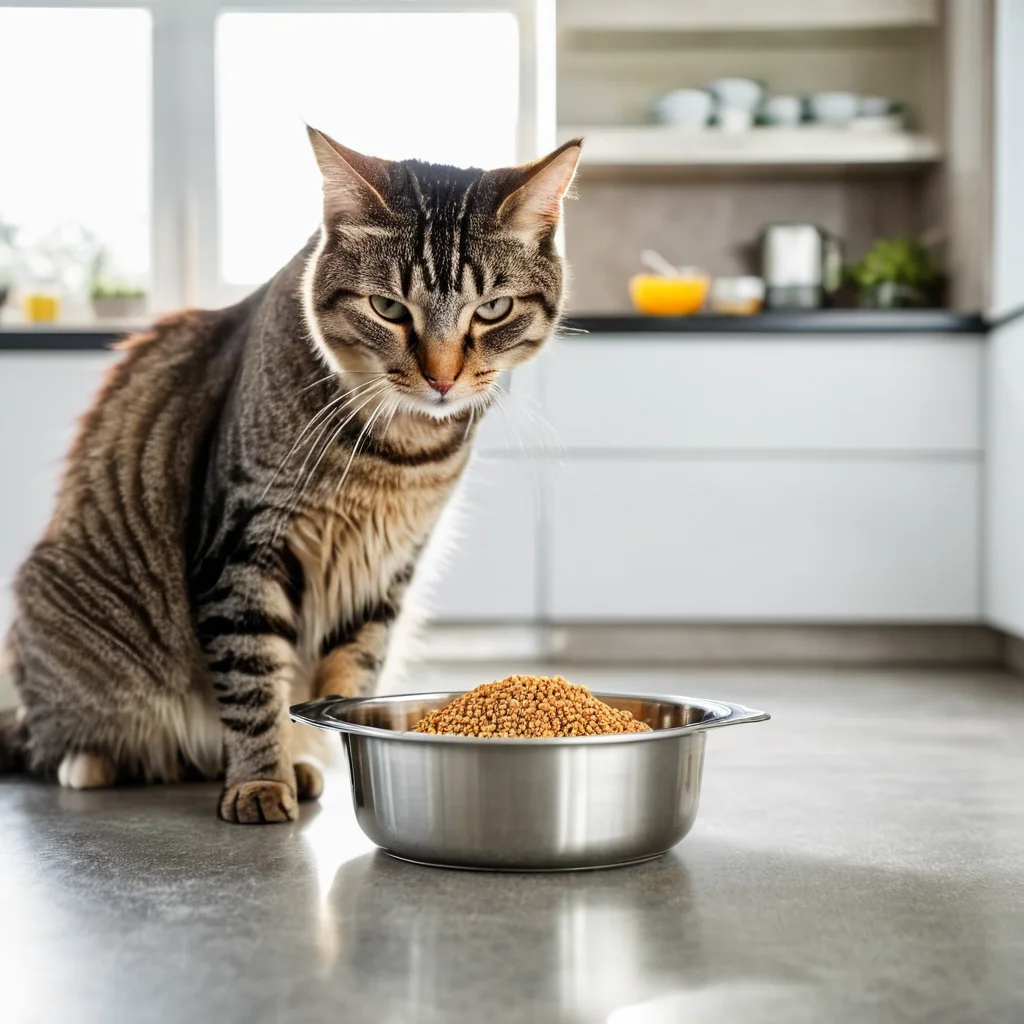

Food after spaying or neutering is at least as important a part of the process as the surgery itself. Hormonal changes slow metabolism by 20-30% and raise appetite by 15-25%, and the result is obesity. The right "sterilized" formula, adjusted portions and well-timed switching manage this conflict. In this post we look at the details of feeding after spaying or neutering, plus a weight management strategy.
1. Metabolic Changes After Spaying or Neutering
- Sex hormones (estrogen, testosterone) decrease.
- Basal metabolism slows by 20-30%.
- Fat storage increases.
- Appetite rises by 15-25% (especially in females).
- Activity level drops (usually).
- The result: 25-50% of spayed or neutered animals develop obesity within 1 year.
2. Features of Sterilized Food
- Lower calories (10-20% fewer): The same fullness with fewer calories.
- High protein (30%+ for dogs, 35%+ for cats): Preserves muscle.
- Low fat: Lower energy density.
- High fiber: A feeling of fullness.
- L-carnitine: Supports fat burning.
- Joint support: Keeps joint load in check as activity drops.
3. When to Switch
- Dogs: Switch to sterilized food 1-2 weeks after the surgery.
- Cats: Switch 1-2 months after (if still a kitten or young, continue kitten food a little longer).
- Regular food during recovery → calorie needs haven't changed yet.
- A gradual switch over 1-2 weeks.
4. Sterilized Food Brands for Dogs
- Royal Canin Neutered Adult: A dog-specific formula.
- Hill's Science Plan Adult Sterilised.
- Purina Pro Plan Sterilised.
- Eukanuba Adult Sterilised.
- Price: 400-700 Turkish lira/kg.
5. Sterilized Food Brands for Cats
- Royal Canin Sterilised: Widely used, with indoor and outdoor versions.
- Hill's Science Plan Sterilised Cat.
- Purina Pro Plan Sterilised.
- Acana Sterilised.
- Price: 500-800 Turkish lira/kg.
6. Adjusting Portions
- The food bag has a portion chart for spayed or neutered animals.
- Active dog: the chart portion.
- Sedentary dog: 10-15% less.
- Weigh weekly for the first 3 months.
- If the animal is gaining weight, cut the portion by 10%.
- Once weight is stable → maintenance portion.
7. Body Condition Score (BCS)
Checking for ideal condition:
- 4-5 out of 9 is ideal.
- A visible waistline.
- Ribs can be felt lightly.
- Belly slightly tucked up.
- BCS 7+ means obesity → strict portion control.
8. Managing Activity
- 2 weeks of rest after the surgery.
- Then normal activity, increasing gradually.
- Daily walks and play are a must.
- Activity is critical to prevent weight gain.
- Cats: interactive play for 20-30 min a day.
9. Side Effects (in Some Dogs)
- Urinary incontinence: Hormone loss in female dogs. Treated with phenylpropanolamine (PPA).
- Coat changes: A softer, woolly coat in some breeds.
- Cognitive changes: More calmness (usually positive).
10. Long-Term Benefits
Benefits of spaying and neutering (long term):
- Females: the risk of pyometra and mammary tumors drops sharply.
- Males: the risk of prostate disease and testicular cancer is zero.
- Behavior: fighting, escaping and urine marking decrease.
- Life expectancy 1-3 years longer.
- Weight management takes discipline, but the advantages outweigh it.
Feeding after spaying or neutering comes down to a formula that prevents obesity: sterilized formula + adjusted portions + activity + tracking weight on the scale. With the right approach, a spayed or neutered pet lives for years in good health at a balanced weight. Vet checkups, regular vaccines and parasite protection continue. The DoldurKabı app has a map of vet clinics experienced in spaying and neutering.









