


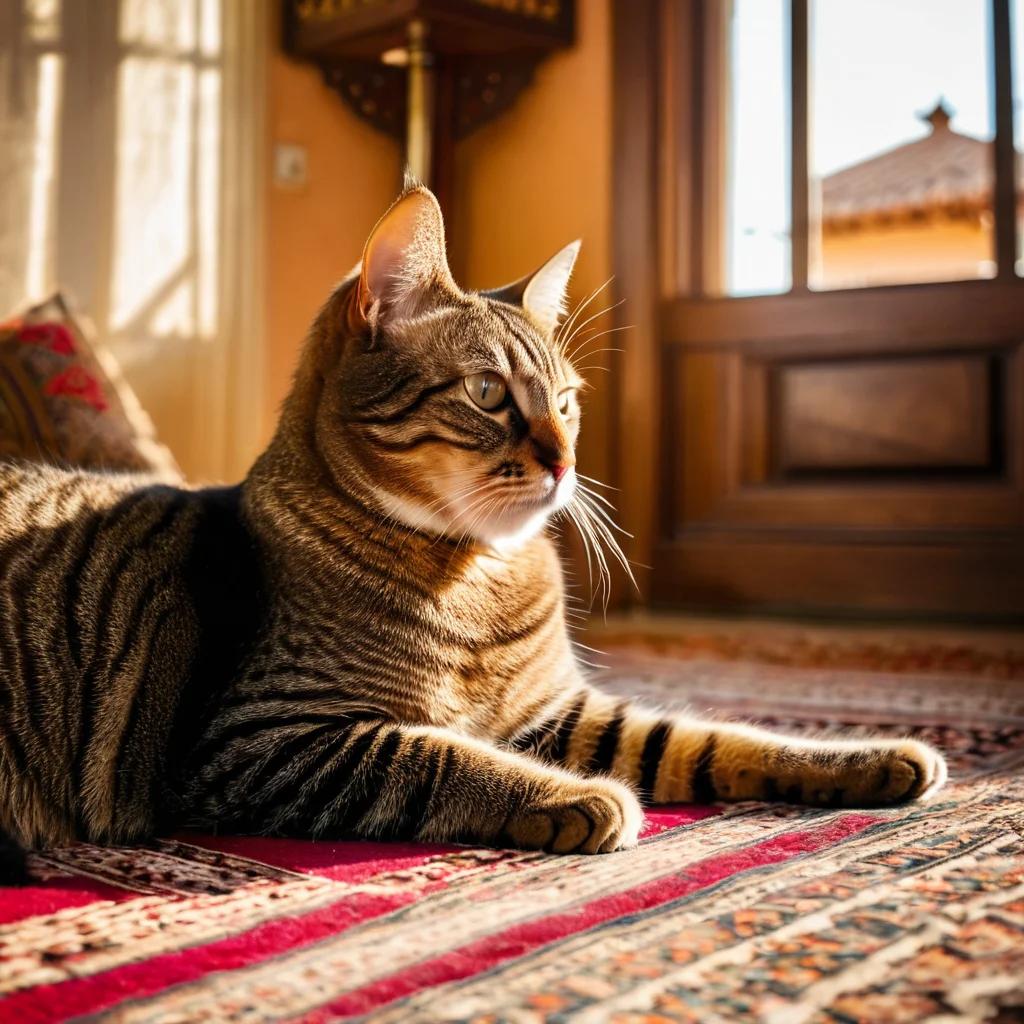

Konya is a major Anatolian city with a population of 2.3+ million, and its wide plains and large apartments make it a good setting for cat owners. The big central districts of Selçuklu, Meram and Karatay have built up a modern animal care infrastructure. The "conservative Konya" stereotype has shifted in recent years as an animal-loving culture has grown, especially around Selçuk University and the modern housing complexes of Selçuklu. In this post we look at the details of owning a cat in Konya: neighborhoods, climate, the vet network and ways to adopt.
1. Cat Culture in Konya
Cat culture in Konya is growing:
- Owning a cat has become common for families over the past 10 years.
- A young animal-loving population, especially around Selçuk University.
- Municipal shelters are active.
- Street cats are protected and fed.
2. Apartments and Cats
- Roomy apartments: 3+1 and 4+1 layouts (three or four bedrooms plus a living room) are common in Konya. Plenty of space for a cat.
- Underground parking and balconies: Modern complexes have the advantage.
- Rental agreements: Cat bans are rare.
- Complex living is common: In Selçuklu's modern complexes, check the bylaws.
- Building managers: Usually tolerant.
3. Life by Neighborhood
Selçuklu (the largest and most modern): The Bosna Hersek, Yazır and Sancak areas. New complexes, roomy apartments. The densest vet network.
Meram: Konya's "culture district". Family neighborhoods, well-developed infrastructure. Good access to vets.
Karatay: The historic center plus newer neighborhoods. A mixed character, traditional and modern.
Çumra, Beyşehir, Akşehir: Semi-rural districts with limited access to vets.
4. The Vet Network
Konya has a large number of vet clinics:
Clinic density is high, and 24-hour emergency care is clustered around the Selçuk University Faculty of Veterinary Medicine; which one is open on a given night varies.
5. Monthly Expenses
- Food
- Litter
- Vet visits and vaccines
- Medication and parasite treatment
- Equipment
The fee depends on the city, whether it is a clinic or a hospital, after-hours visits, imaging or hospital stays, and the animal's weight and age. The provincial Chamber of Veterinarians (Veteriner Hekimleri Odası) publishes a yearly minimum fee schedule; the schedule is a floor, not the final bill. Ask the clinic for a written or verbal estimate.
6. Konya's Climate
A continental climate, among the harshest in Türkiye:
- Summer (June-August): Hot and very dry, 30-38°C. Keep the indoors cool.
- Winter (December-February): Very cold, with snow. It drops to -15°C. A cat needs indoor heating, blankets and a warm corner.
- Fall/Spring: Fairly short.
- Low humidity: Parasite activity is low but present, so protection is a must.
7. Ways to Adopt
- DoldurKabı: Konya adoption listings.
- Konya Metropolitan Municipality: Its temporary animal care center.
- Selçuklu, Meram and Karatay municipalities: Active shelters and adoption.
- Associations: Konya Hayvansever Derneği (a local animal welfare association), KOHAYDER, Patiyi Tut Konya.
- Selçuk University animal lovers' club: Campus street cats.
- Adopting from the street: Common. A vet check is a must.
8. Konya-Specific Advice
- Prepare well for winter: Konya winters are tough. Indoor heating, a warm bed, blankets and sealing under the doors.
- Summer dryness: Hydration is critical. A water fountain and wet food.
- Family and cat harmony: Konya has a family-centered culture, so teaching kids how to meet a cat is critical.
- Complex bylaws: New complexes in Selçuklu may have detailed bylaws.
- Traditional houses: Traditional houses with gardens in Karatay's historic neighborhood give a cat lots of space.
9. Konya's Animal-Loving Community
- Active cooperation between municipalities and associations.
- A strong animal lovers' club at Selçuk University.
- Neighborhood solidarity, with feeding stations for street cats.
- Yearly spay and neuter campaigns.
10. 5 Practical Tips
- Get to know your neighborhood vet. Konya is a big city; even though getting around is easy, a nearby vet is more practical.
- Microchip and DoldurKabı registration.
- Prepare well before winter (late October): a warm indoor setup and blankets for the cold.
- Summer parasite protection (May).
- Visit the municipal shelter to meet the animals before adopting.
Owning a cat in Konya is sustainable and enjoyable, thanks to roomy apartments, a family-centered culture and a growing animal-loving outlook. Winter prep needs to be thorough; the rest is easy. In the DoldurKabı app, you can find Konya adoption listings and vet clinics on the map.









