


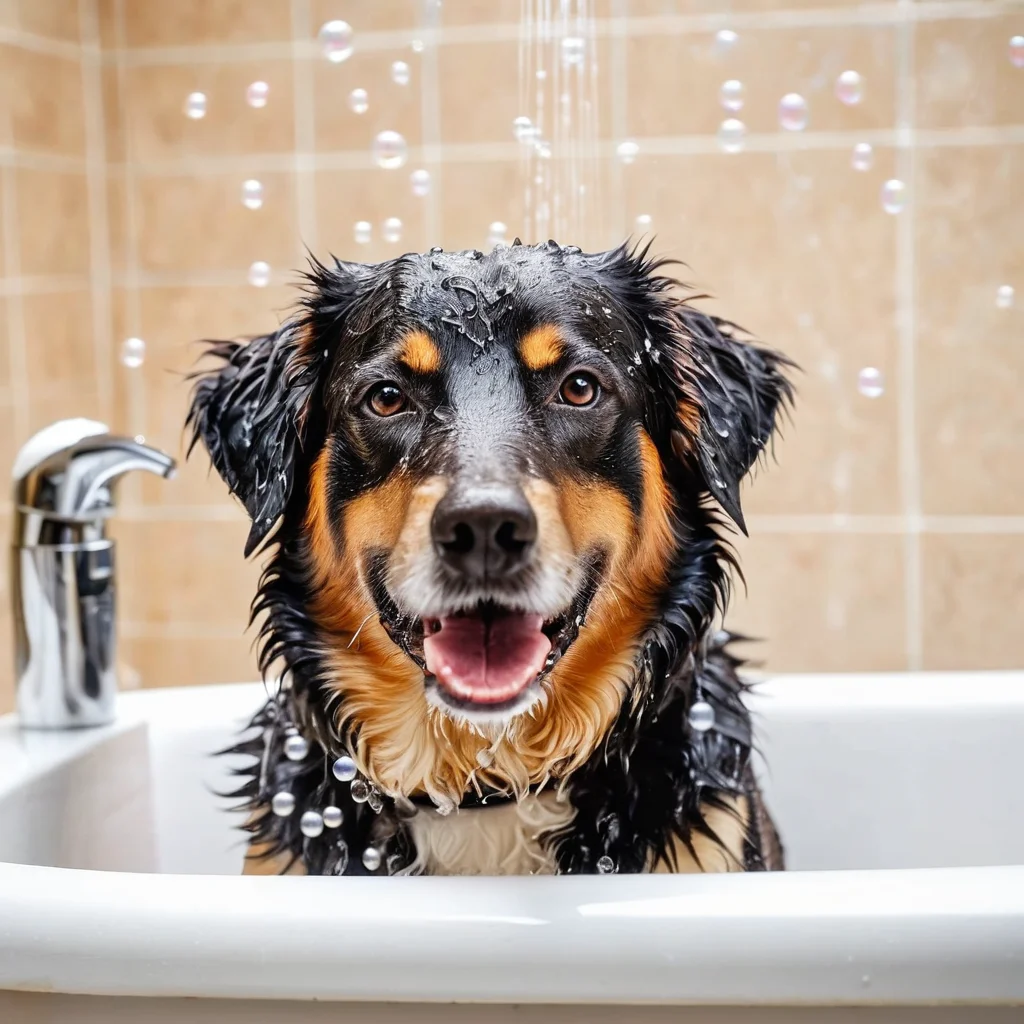

Bathing a dog looks simple, but too many baths or the wrong shampoo can damage skin and coat health. The pH of human shampoo harms a dog's skin, over-washing strips away the natural oil layer, and too little care leads to odor, parasites and skin infections. The right frequency depends on breed, season and lifestyle: a Husky every 2 months, a Bichon Frise every 2 weeks, for example. In this article, we take a detailed look at a breed-based bathing schedule, what to look for in a shampoo, bathing technique and special cases like sensitive skin, puppies and allergies.
1. Over-Bathing: Invisible Damage
How a dog's skin works:
- Natural sebum (oil) layer → keeps skin moisturized and acts as a shield against parasites and bacteria.
- Every bath partly removes this layer.
- Bathing too often: dry skin, dandruff, itching, allergic reactions.
- Defenseless skin → higher risk of bacterial and fungal infections.
"Very clean = very healthy" is a misconception. With dogs, the right approach is a BALANCE between too few and too many baths.
2. Bathing Frequency: Breed-Based Table
Double-coated breeds (Husky, Samoyed, Akita, Bernese, Akbaş):
- 1 bath every 1.5-3 months.
- The coat's natural oil layer is very important; it provides water resistance and thermal protection.
- More frequent baths ruin this feature.
Single-coated breeds (Yorkshire, Maltese, Bichon Frise, Poodle):
- 1 bath every 2-4 weeks.
- The coat grows long, gets dirty and turns dull.
- A combination of regular baths + grooming.
Short, smooth coats (Bulldog, Boxer, Pug, Boston Terrier):
- 1 bath every 4-6 weeks.
- Extra cleaning between skin folds (weekly with a wet wipe).
Long-coated hunting/herding breeds (Golden, Labrador, German Shepherd):
- 1 bath every 1-2 months.
- More often (every 3-4 weeks) if they have an outdoor lifestyle.
Sensitive / allergic skin:
- Vet-recommended shampoo and frequency.
- Usually 1 medicated bath every 1-2 weeks.
3. The Lifestyle Factor
The same breed needs a different frequency with a different lifestyle:
- Apartment + park walks: Low frequency (the standard table).
- House with a yard + mud + pool: More frequent baths needed.
- Active summers + beach/sea: A fresh water rinse after salt water (every time).
- Winter + snow/mud: Wash paws and belly.
4. What to Look for in a Shampoo
When choosing a dog shampoo, pay attention to:
- pH of 7-7.5: Human shampoo has a pH of 5.5, which is ACIDIC for dogs and dries the skin.
- Mild cleanser: Sulfate-free (no sodium lauryl sulfate / SLS).
- Unscented or lightly scented: Strong fragrance irritates the skin.
- Natural softeners: Aloe vera, oat, shea butter.
- Sensitive skin formulas: Labeled hypoallergenic.
Recommended brands: Earthbath, Burt's Bees for Dogs, Espree, Beaphar, Trixie Pet. Available in Türkiye at pet shops and some pharmacies.
5. Special Shampoos: For Which Situation?
- Anti-flea shampoo: Contains permethrin + pyrethrin. Only when fleas are seen + on your vet's advice.
- Antifungal/antibacterial: Chlorhexidine 2-4%, ketoconazole; prescribed by a vet for fungal and bacterial infections.
- Soothing / oatmeal-based: For itchy skin and allergy cases.
- Whitening: For white-coated breeds (Maltese, Bichon, Samoyed). Contains a light blue pigment.
- Dry shampoo: When bathing is hard for senior or sick dogs. Powder/spray form.
6. Proper Bathing Technique
- Brush the whole coat: Work out mats and tangles before the bath. Wet fur is harder to detangle.
- Water temperature: 35-38°C, about the warmth of a human shower, gently lukewarm.
- Soak fully with water first: All the way down to the roots of the coat.
- Shampoo + massage: A small amount (1 palmful), worked into a good lather.
- Be gentle around the face: Keep shampoo away from the eyes and inside the ears; clean softly with a damp cloth.
- Rinse completely: Shampoo residue causes itching. Rinse 2-3 times.
- Conditioner (long coats): Apply, leave on for 2-3 minutes, rinse.
- Towel dry: Press gently, NO rubbing.
- Hair dryer (low heat): From a distance, on the cool setting. High heat burns the skin.
7. Signs It Is Bath Time: When?
Rather than following the table to the letter, watch for visual and smell signals on your dog:
- Dull, greasy-looking coat.
- A noticeable doggy smell (a healthy dog's smell is mild).
- Buildup of dandruff and dead hair.
- Dirt between the paw pads.
- After mud + outdoor activity.
These signs say "it's bath time now."
8. Bathing a Puppy
A puppy's skin and immune system are more sensitive:
- NO baths before 8 weeks: Body temperature drops + the risk from getting wet is high.
- First bath at 8-10 weeks: With a gentle, puppy-specific shampoo.
- Wait 1 week after vaccination.
- Low water temperature + a short bath (3-5 minutes).
- Dry quickly and thoroughly so the puppy does not catch a chill.
9. Bathing a Senior Dog
Extra care for senior dogs:
- A non-slip towel on the shower floor, since the risk of falling is high.
- Shorter bath time.
- Be careful with water temperature; an older body regulates temperature poorly.
- Sensitive skin shampoo.
- For dogs with joint pain, an alternative: wiping the body down with a damp cloth.
10. Care Between Baths
Keeping things clean between two baths:
- Weekly brushing: Removes 80% of dead hair + dirt.
- Paw wiping: After every walk, so dirty paws don't come into the house.
- Face + around the eyes: With slightly damp cotton.
- Ear cleaning: A vet-recommended solution, once a month.
- Pet wipes / wet wipes: For a quick clean (alcohol-free, unscented).
- Dry shampoo: Can be used 1-2 times between full baths.
The trio of the right bathing frequency + a suitable shampoo + good technique protects your dog's coat health and skin barrier. Over-bathing is the most common mistake to avoid; with the right interval, quality products and a gentle technique, you get a healthy, good-looking dog for years. With sensitive skin or allergies, guidance from a veterinary dermatologist is a must.









