


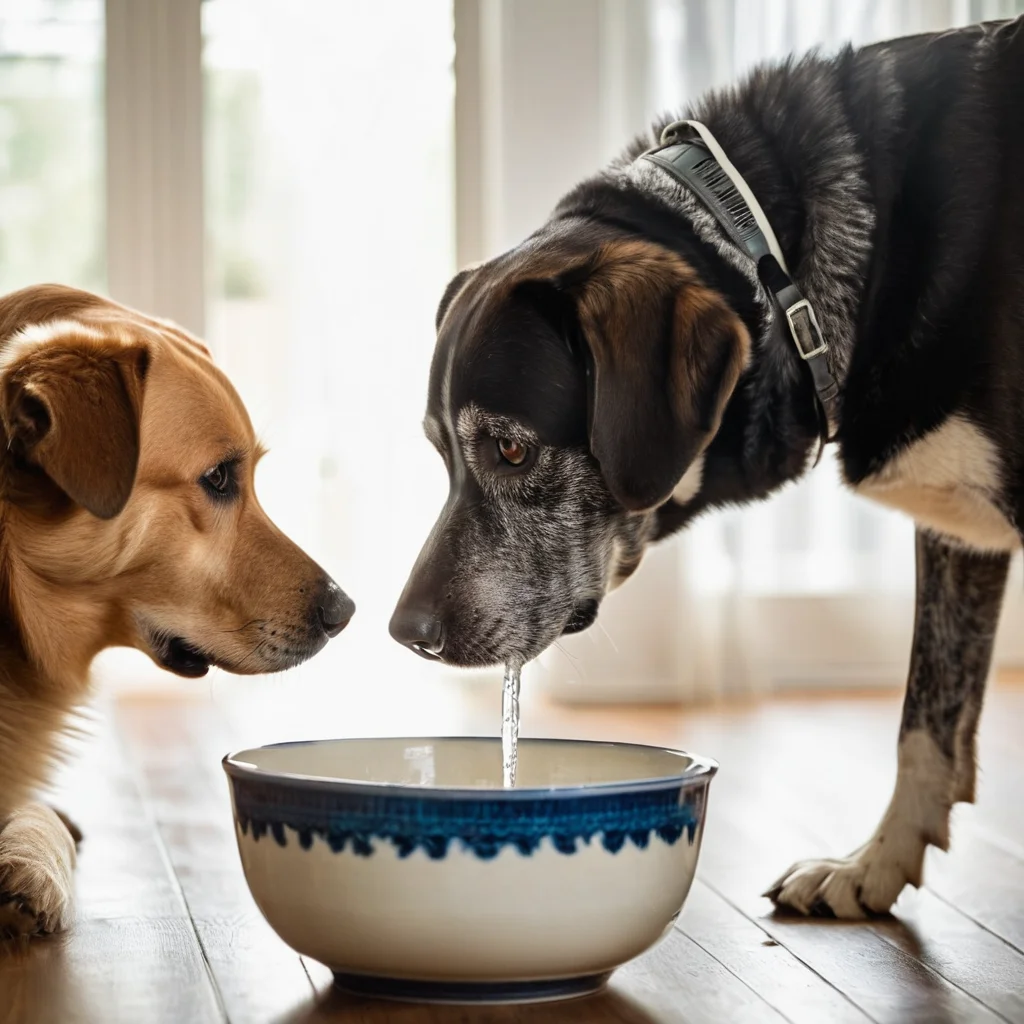

Kidney failure in dogs falls into two main types: acute (develops suddenly) or chronic (progresses slowly). It's one of the more frequent causes of death in senior dogs. Excessive drinking with frequent urination, weight loss and lethargy are the classic trio. The acute form is usually an emergency caused by poisoning or shock; the chronic form is typical at 7+ years. Early diagnosis, diet and fluid therapy greatly extend both quality of life and lifespan. In this article we look at every detail of kidney failure in dogs.
1. What the Kidneys Do
- Filter the blood and remove toxins.
- Balance water and electrolytes.
- Maintain acid-base balance.
- Produce erythropoietin (for making blood).
- Regulate blood pressure.
- Activate vitamin D.
2. Acute Kidney Injury (AKI)
It develops suddenly and may or may not be reversible:
- Causes: Ethylene glycol (antifreeze), grapes/raisins, NSAIDs (ibuprofen), Leptospira, heart failure, dehydration, urinary blockage.
- Signs: Sudden loss of appetite, vomiting, lethargy, reduced or stopped urination, coma.
- Emergency care is ESSENTIAL; every hour counts.
3. Chronic Kidney Disease (CKD)
It progresses slowly and is irreversible:
- Causes: Aging, genetics, chronic infection, chronic dehydration.
- Signs: Excessive drinking with frequent urination, weight loss, lethargy, vomiting, bad breath (uremic).
- A slow, sneaky onset: blood work is recommended from age 5+.
4. IRIS Staging (International)
Chronic kidney disease is divided into 4 stages:
- Stage 1: Creatinine <1.4, SDMA <14. Asymptomatic.
- Stage 2: Creatinine 1.4-2.0. Mild signs; start the diet.
- Stage 3: Creatinine 2.1-5.0. Signs are obvious.
- Stage 4: Creatinine >5.0. Severe signs, advanced.
5. How the Signs Progress (In Detail)
- Early (Stage 1-2): No signs at all; it shows up on a blood test.
- Middle (Stage 2-3):
- Polydipsia (excessive drinking): daily water intake 2-3 times higher.
- Polyuria (frequent urination): sometimes accidents in the house.
- Slow weight loss.
- Changing appetite.
- Advanced (Stage 3-4):
- Vomiting and diarrhea.
- Uremic-smelling breath (ammonia).
- Mouth ulcers.
- Bone calcification problems.
- Anemia (pallor).
- Seizures.
- Coma and death.
6. Diagnosis
- High BUN (blood urea nitrogen) and creatinine.
- SDMA (symmetric dimethylarginine): An early marker; it reveals 25% kidney damage.
- High phosphorus, calcium imbalance.
- Low urine specific gravity (inability to concentrate urine).
- Urine protein to creatinine ratio (UPC).
- Ultrasound: Kidney structure, size and stones.
- Urine culture: To rule out infection.
7. Treatment (Step by Step)
Acute treatment:
- Hospitalization and IV fluids (crystalloids).
- Diuretics (to produce urine).
- Antibiotics (for infection).
- Anti-emetics.
- Dialysis (severe cases).
- If a toxin is involved: a specific antidote (fomepizole for antifreeze).
Chronic management:
- A low-protein, low-phosphorus renal diet: Royal Canin Renal, Hill's k/d, Purina NF.
- Phosphate binders: Aluminum hydroxide.
- ACE inhibitors: Enalapril reduces protein loss.
- Omega-3: Anti-inflammatory.
- Subcutaneous fluids: At home 2-3 times a week (advanced stage).
- Antihypertensives: Amlodipine.
- Erythropoietin: To treat anemia.
- Vitamin B support.
8. The Renal Diet (Vital)
- Low protein, but high quality.
- Low phosphorus to protect the bones.
- High omega-3.
- Extra antioxidants.
- Several meals: 3-4 times a day.
- Plenty of water: a fountain and several bowls.
- For a homemade diet, get advice from a veterinary nutritionist.
9. Predisposed Breeds
- Large breeds (Lab, Golden, German Shepherd), with age.
- Cocker Spaniel: hereditary protein-losing nephropathy.
- Shih Tzu: renal dysplasia.
- Yorkie and Maltese: shunts and glomerulonephritis.
- Bull Terrier: hereditary nephritis.
10. Prognosis and Life Expectancy
- Acute: Early intervention and treatment → 50-70% survival. Late → fatal.
- Chronic:
- Stage 1: Years of normal life.
- Stage 2: 1-3 years of good life.
- Stage 3: 6 months to 1 year.
- Stage 4: Weeks to months.
- Early detection, diet and treatment can double the lifespan.
Kidney failure is one of the most common causes of death in senior dogs, but if it's caught early, years of good-quality life are possible. Yearly blood work from age 5+, balanced nutrition, plenty of water and preventing toxin exposure are critical. In the DoldurKabı app you can find vet clinics with nephrology experience on the map.









