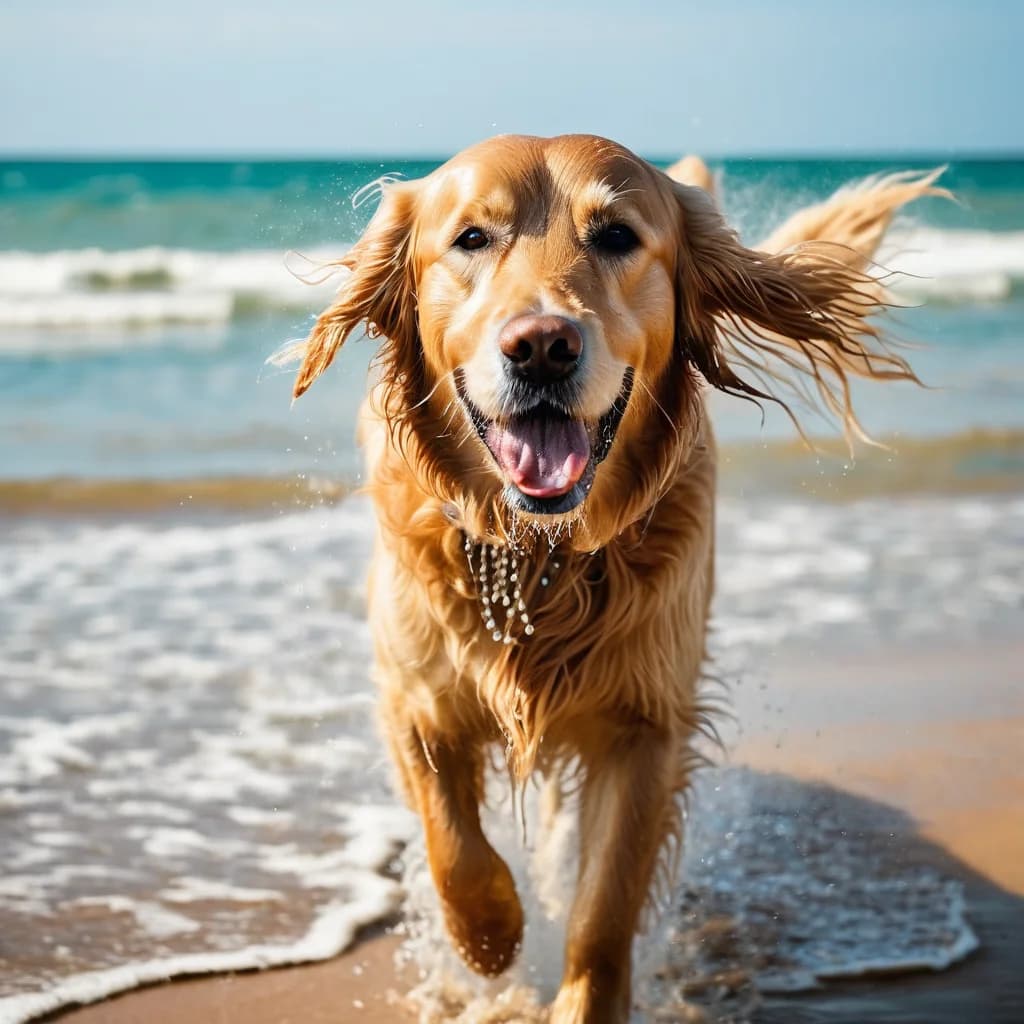

In the summer months, going into the sea with your dog or cooling off by the pool is one of the season's fun activities for both of you. Swimming is one of the few kinds of exercise that lets a dog burn energy without straining the joints, helps balance body temperature on hot days and is something most dogs do willingly. For breeds that love water in particular, a beach day can be one of the happiest days of the year.
But there is a part that often gets skipped: care after leaving the water. Salt and chlorine drying in the coat can irritate the skin, moisture left in the ear canal can set the stage for an outer ear infection, and scorching sand can burn paw pads. What you do in the half hour afterward matters for your dog's health as much as the swim itself.
In this article, we walk through the after-beach and after-pool care routine step by step: rinsing with fresh water, drying the ears, checking the paws and skin, drying the coat and keeping your dog from drinking seawater. At the end, we also make clear which signs call for a vet visit.
Rinse With Fresh Water: Don't Let Salt and Chlorine Stay in the Coat
The salt in seawater and the chlorine in pool water keep acting on the skin after the coat dries. This buildup first makes the coat dull and dry; then itching, redness and flaking can start. As the dog scratches, the skin gets even more irritated, and a small discomfort can turn into a serious skin problem within a few days.
The rule is simple: as soon as possible after leaving the water, rinse your dog from head to toe with fresh water. If you're at the beach, you can bring a large jug of water or use the beach showers if there are any. While rinsing, pay attention to these points:
- Don't skip the areas where salt builds up most, such as the belly, armpits and around the tail.
- Keep the water lukewarm or cool; hose water that has been sitting in the sun can be scalding at first.
- Not every rinse needs shampoo; frequent shampooing upsets the skin's natural oil balance.
- Take off the collar and rinse underneath it too; salt that builds up under a wet collar can cause a sore through friction.
Dry the Ears: Don't Leave the Door Open to Outer Ear Infections
One of the most common problems after swimming is an outer ear canal infection. Moisture left in the ear canal, combined with hot weather, creates a good environment for bacteria and yeast to multiply. In breeds with floppy ears that love water, like the Golden Retriever, the risk is even higher; the closed ear shape makes it harder for moisture to get out.
After leaving the water, gently dry the ear flap and the ear opening with a soft towel or cotton pad. Never push a cotton swab deep into the ear canal; you can damage the ear and push dirt further in. Let your dog shake its head; this lets water in the canal come out naturally.
Over the next few days, watch for these signs: constant head shaking, rubbing the ear on the floor or furniture, a bad smell from the ear, redness or discharge. If you see any of them, talk to your vet instead of using drops on your own; the wrong product can make things worse.
Check Paws and Skin: Hot Sand, Rocks and Sea Creatures
One of the hidden risks of a beach day is the sand itself. Around midday, sand can get hot enough to burn paw pads. A simple test: press the back of your hand into the sand; if you can't hold it there for seven seconds, it's too hot for your dog too. During these hours, walk on the strip of wet sand or wait in the shade.
When the swim is over, check the paws all the way between the toes. Broken shells, bits of glass and sharp rocks can cause small cuts; sea urchin spines or contact with a jellyfish cause noticeable pain and swelling. Sand and salt left between the toes can also lead to cracks as they dry, so wash the paws carefully while rinsing.
In long-haired dogs, sand works its way down to the base of the coat and causes itching. Brushing in a calm setting when you get home removes the sand and helps you spot problems you might have missed, like a cut, redness or a tick, early.
Dry the Coat: The Hidden Risk of a Damp Coat
Short-haired dogs dry quickly in the sun, but in breeds with a dense double coat, the undercoat can stay damp for hours. In these warm, damp, airless areas, acute moist dermatitis, known as a "hot spot", can develop: fast-growing, red, oozing and quite painful sores. During swimming season, a large share of skin problems actually comes from a coat left to dry on its own.
To prevent this, pat your dog dry with a towel instead of rubbing; rubbing mats the coat. If you're at home, you can use a hair dryer on low heat in the direction of the coat. Give extra attention to areas that don't get air, such as behind the ears, the armpits, under the tail and the folds of the neck. Don't put the collar or any clothing back on until your dog is completely dry.
Keep Your Dog From Drinking Seawater
In the excitement of play, dogs can swallow a serious amount of seawater without noticing. Salt water first causes vomiting and diarrhea; as the amount increases, the body's fluid and electrolyte balance can be thrown off and the situation can become serious. Pool water isn't fit to drink either, because of chlorine and other chemicals.
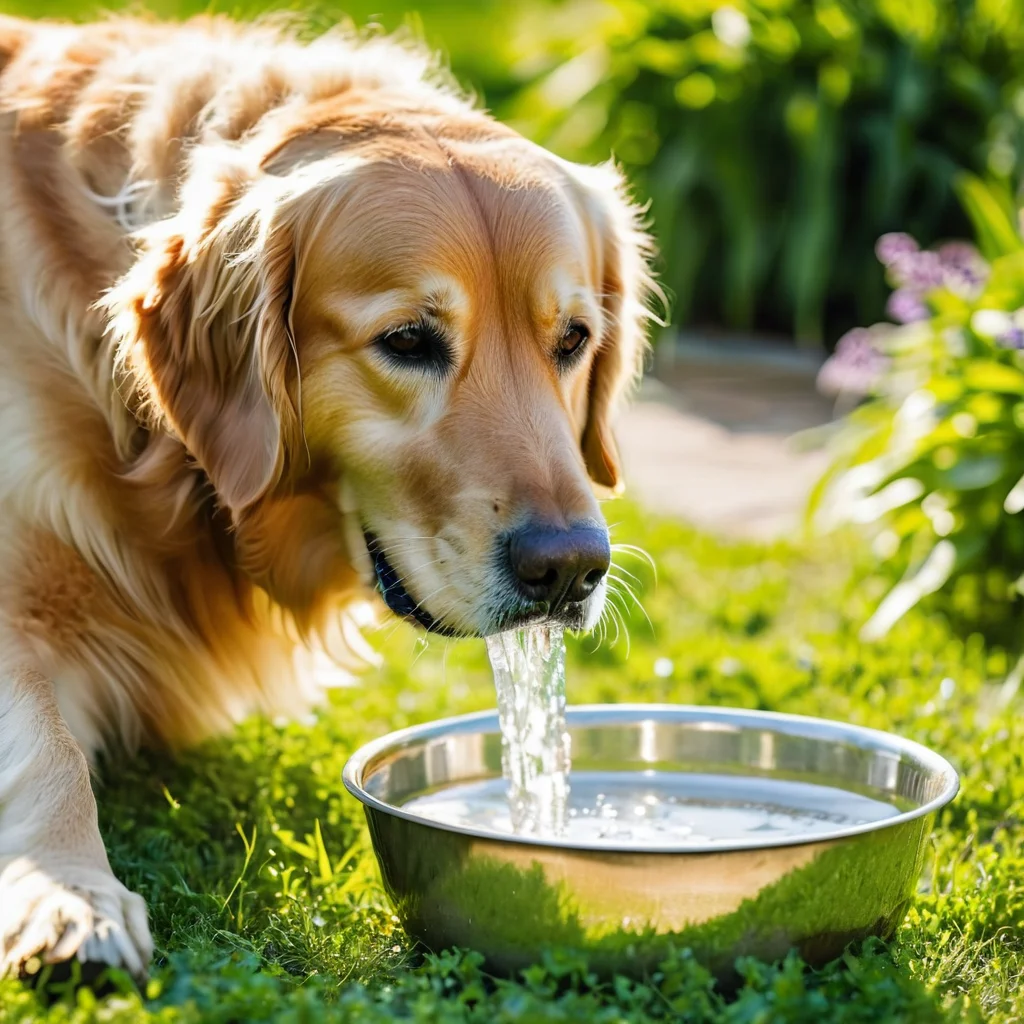
- Always bring fresh water and a bowl to the beach and poolside; give water breaks at regular intervals.
- A thirsty dog is more likely to drink from the sea; make sure your dog drinks water before starting to swim.
- In fetch games with a ball or toy in the water, the mouth stays open for a long time and more water gets swallowed; keep these games short.
- If vomiting starts, end the swim, move your dog into the shade and offer small sips of fresh water.
When Should You See a Vet?
Most problems after swimming clear up with simple care at home, but some signs should not be left waiting:
- Vomiting and diarrhea that last more than a few hours or keep coming back
- A bad smell, discharge, clear redness or pain to the touch in the ear
- A cut on the paw that is bleeding, deep or has a foreign object in it
- Swelling that grows after contact with a jellyfish or sea urchin
- Coughing, wheezing or difficulty breathing that starts hours after swimming; this can mean swallowed water got into the lungs and is an emergency
- Weakness, unsteadiness, excessive drinking or not drinking at all
If you see any of these signs, don't lose time. If you're in a vacation area and looking for a clinic, you can browse clinics in the city you're in on our vet list and call ahead to describe the situation.
Frequently Asked Questions
Should I wash my dog with shampoo after every swim?
No. Using shampoo every time thins the skin's protective oil layer and leads to dryness. Rinsing thoroughly with plenty of fresh water is usually enough. Keep shampoo baths infrequent, and always choose a product made for dogs with a suitable pH balance.
Is pool chlorine harmful to dogs?
A short swim in a properly chlorinated pool doesn't cause problems for most dogs. The real risks are leaving chlorine to dry in the coat, drinking the water and long contact between the eyes and chlorine. Rinsing after swimming and wiping around the eyes with clean water removes most of these risks.
Do I need to use an ear-drying solution?
For healthy ears, drying with a towel after swimming is usually enough. For dogs that swim often, have floppy ears or have had ear infections before, vet-approved ear-drying solutions can be helpful. Decide on the product and how often to use it with your vet.
My dog drank seawater. What should I do?
A small amount of seawater usually passes with a short bout of stomach upset. Move your dog into the shade, give small sips of fresh water and watch for a few hours. If vomiting and diarrhea continue, or weakness or trembling appear, see a vet without waiting.