


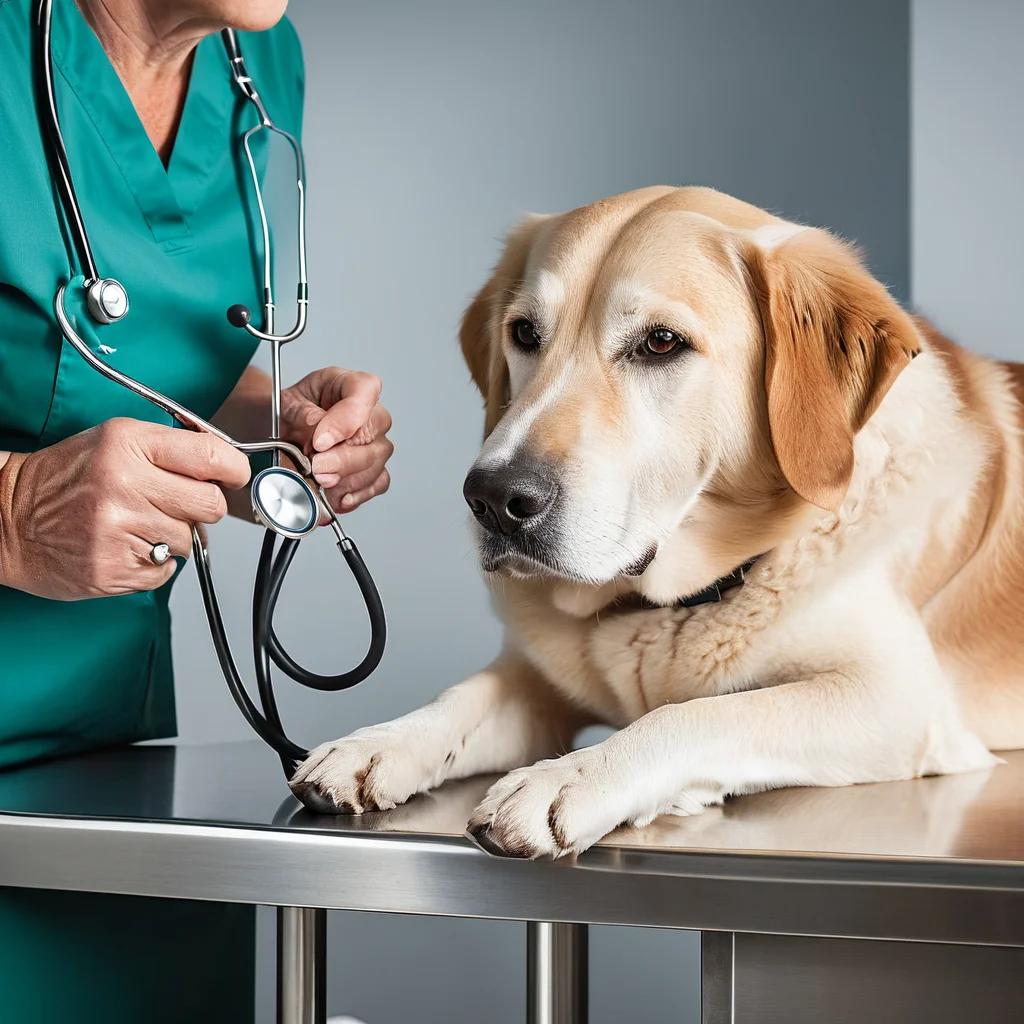

Heart disease is one of the most common chronic problems of a dog's senior years: in roughly 15-20% of dogs over 7, a vet exam picks up a murmur or signs of advanced heart disease. The good news: in cases caught early and followed regularly, your dog's good-quality life can be extended by years. This article covers the two most common conditions (Mitral Valve Disease and Dilated Cardiomyopathy), the early signs, the diagnostic process and day-to-day management.
Important: diagnosing and treating heart disease is entirely the vet's responsibility. This article is for awareness and daily tracking.
1. The 2 Most Common Heart Diseases in Dogs
Mitral Valve Disease (MVD)
Common in small breeds (Cavalier King Charles Spaniel, Yorkshire Terrier, Maltese, Pomeranian, Chihuahua). The valve on the left side of the heart wears out with age and starts to leak backward (regurgitation). It progresses slowly and can stay under control for years.
Dilated Cardiomyopathy (DCM)
Common in large breeds (Doberman, Boxer, Great Dane, Cocker Spaniel). The heart muscle weakens and enlarges. It progresses faster than MVD. Dobermans have a very high genetic predisposition.
Other conditions: arrhythmias, congenital defects and pericardial diseases. These are less common.
2. 8 Early Signs (They Develop Slowly)
- Lower exercise tolerance: A dog that used to walk for 30 minutes stops after 10.
- Tiring quickly + changes in breathing.
- Coughing, especially a dry, "hacking" cough at night or after exercise.
- Faster breathing (30+ breaths per minute at rest).
- Pale or bluish gums.
- Swelling in the belly (fluid buildup in advanced cases).
- Fainting spells, especially after excitement or exercise.
- Weight loss or reduced appetite.
If three or more apply, do not put off a vet exam. A murmur can be caught at a routine yearly checkup, so a full yearly checkup is a must for dogs over 7.
3. Diagnosis: Which Tests?
- Listening with a stethoscope: Murmurs, rhythm problems.
- Echocardiography (heart ultrasound): The gold standard. Which valve, how severe, how much forward or backward leakage.
- ECG: If there is an arrhythmia (rhythm problem).
- Chest X-ray: Heart size, fluid in the lungs.
- NT-proBNP blood test: A marker of heart strain.
- Holter (24-48 hour ECG): When an intermittent arrhythmia is suspected.
In some cases, dogs are referred to a veterinary cardiologist (there are only a limited number in Türkiye).
4. Staging: ACVIM
Heart disease in dogs is staged with the international ACVIM system:
- Stage A: At risk (e.g. the Cavalier breed) but the heart is normal.
- Stage B1: A murmur is present, heart size is normal.
- Stage B2: The heart is enlarged but there are no clinical signs. The threshold for starting medication.
- Stage C: Signs of heart failure have started. Multimodal treatment.
- Stage D: Resistant to standard treatment, in advanced cases.
Starting treatment from the beginning of Stage B2 can delay the advanced stage by 1-2 years.
5. Treatment: Drug Classes
- Pimobendan: Standard for MVD/DCM. Strengthens the heart muscle and relaxes the blood vessels. Starting early clearly improves the prognosis.
- ACE inhibitors (benazepril, enalapril): Blood pressure and heart workload.
- Diuretics (furosemide, spironolactone): Clear fluid from the lungs or belly.
- Antiarrhythmics (if needed): Depending on the arrhythmia.
- Omega-3 supplements: As support.
The medications are lifelong; regular checkups + dose adjustments happen under your vet's supervision.
6. Daily Tracking at Home: 4 Key Data Points
- Resting Respiratory Rate (RRR): The number of breaths per minute while your dog is asleep. Normal is < 30. 35+ is a warning sign of heart failure. A smartphone timer is all you need.
- Exercise tolerance: Daily walk distance + pace. Note any drop.
- Appetite and weight: Weigh weekly.
- Coughing + fainting: Date + frequency + trigger (exercise, excitement).
Instead of keeping these notes in your head, log them in DoldurKabı Pet Health Tracking so you go to the vet with real data.
7. Diet and Lifestyle
- Low-sodium food: A vet prescription diet (Hill's h/d, Royal Canin Cardiac).
- No salty snacks: Chips, salami, salad dressing and so on.
- Unlimited but monitored water: if your dog is on a diuretic, keep an eye on urine output.
- The right amount of exercise: Steady, moderate-paced walks. No overexertion. Follow your vet's plan.
- Weight control: Obesity increases the heart's workload.
- Less excitement: High-energy games and running sessions are limited.
8. Emergencies
With these signs, go to the vet right away:
- Resting respiratory rate of 40+ and climbing.
- Blue or purple lips or tongue.
- Sudden fainting.
- Obvious swelling in the belly + weakness.
- Constant dry cough + distress.
These are signs of acute heart failure. You cannot wait hours.
9. Frequently Asked Questions
My dog is a Cavalier. At what age should checkups start?
Cavalier King Charles Spaniels are at high risk for MVD. Yearly heart exams (listening for a murmur + an echo if needed) are recommended from age 4-5; from age 3 if there is a known family history.
My Doberman is still young. Is there a DCM risk?
Dobermans have a very high genetic predisposition to DCM; some specialists recommend a yearly echo + Holter from age 3. Catching it early and treating it can extend life expectancy significantly.
Once medication starts, will my dog take it for life?
Usually yes, because heart disease is chronic. If the medication is stopped, things can go downhill quickly. With regular follow-up, the dose is adjusted and medications are added or removed.
Should we stop exercise completely?
No, quite the opposite. Walking at a steady pace is good for the heart; taking exercise away completely leads to muscle weakness + obesity. Work out a plan with your vet that fits your dog's stage.
Can I give my dog "cough syrup"?
No. Cough syrups made for people can be toxic for dogs. The way to treat a heart-related cough is heart medication: treat the cause, not the symptom.
What if I skip one dose in a day?
Missing one dose usually does not cause a crisis. Do not double up; give the next dose at the usual time. If doses keep getting missed, use a reminder system (a phone alarm, DoldurKabı Pet Health Tracking).
How effective is pimobendan?
Clinical studies show that pimobendan clearly extends survival in Stage B2 dogs. Starting early, on your vet's decision, is worth its weight in gold.
Final Word
Heart disease in dogs may sound scary, but in cases that are caught early and managed consistently, enjoying many good years with your dog is entirely possible. Monthly vet visits, daily medication times and resting breath counts: that is what being your dog's health manager looks like.
Log your medication times, RRR notes and vet checkup dates in DoldurKabı Pet Health Tracking. Routine is the foundation of managing heart disease.
This guide is for information only; diagnosis and treatment are always your vet's call.









