


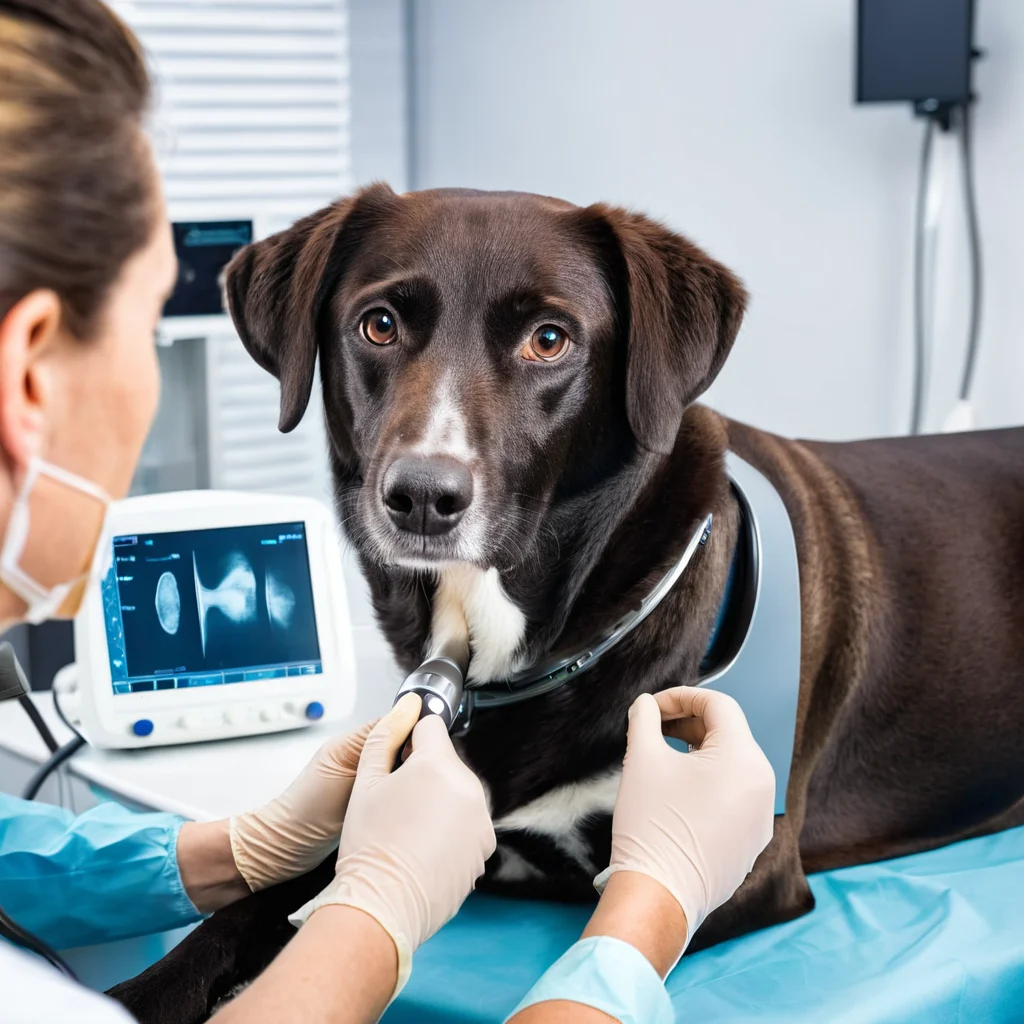

Liver disease in dogs is one of those conditions that progresses quietly and insidiously and can be fatal if it isn't caught early. A dog's liver is one of the body's most sensitive and most resilient organs: it keeps working despite 70% damage, which is why symptoms usually show up late. The causes vary: toxins (especially xylitol and paracetamol), bacterial/viral infection, cancer, medications and congenital shunts. In this article we look at the symptoms, diagnosis, treatment and diet for liver disease in detail.
1. What the Liver Does
- Detoxifies toxins.
- Synthesizes proteins (albumin, clotting factors).
- Stores and releases glucose.
- Supports fat and vitamin absorption.
- Handles hormone metabolism.
- Produces bile.
When the liver is diseased, these functions break down.
2. Categories of Causes
- Toxins: Xylitol (a chewing gum sweetener), paracetamol, mushrooms, lead, antifreeze.
- Medications: Long-term NSAIDs, phenobarbital, corticosteroids.
- Infection: Leptospira, hepatitis virus (ICH), parasites.
- Cancer: Hepatocellular carcinoma, lymphoma.
- Congenital: Portosystemic shunt (puppies).
- Endocrine: Cushing's, diabetes.
- Diet: Very high-fat or spoiled food.
3. How Symptoms Progress
- Early: Loss of appetite, vomiting, weakness (general, not specific).
- Middle: Jaundice (yellow gums, sclera and ears), a swollen belly (ascites), excessive drinking.
- Advanced: Hepatic encephalopathy (confusion, seizures, clouded consciousness), a tendency to bleed, severe weight loss.
- Acute: Rapid decline, coma, death (in toxin or severe cases).
4. Diagnosis
- Blood chemistry: High ALT (alanine aminotransferase) and ALP (alkaline phosphatase). High bilirubin.
- Low albumin (production drops).
- Low clotting factors (PT/PTT are prolonged).
- Bile acids test: Assesses liver function.
- Ultrasound: Liver structure, size and lesions.
- Fine needle aspiration biopsy: Rules out cancer.
- Lepto and ICH testing.
- Urinalysis.
5. Treatment (By Cause)
- Toxin ingestion: Activated charcoal (within the first 1-2 hours), IV fluids, N-acetylcysteine.
- Bacterial: Antibiotics (cephalosporins, clavulanic acid plus amoxicillin).
- Cancer: Surgical resection, chemotherapy, hospice care.
- Shunt: Surgical correction (puppies).
- General support:
- IV fluids and electrolytes.
- SAMe (S-adenosylmethionine): liver support.
- Ursodeoxycholic acid: bile flow.
- Silybin (milk thistle): antioxidant.
- Anti-emetics.
- A low-protein, carbohydrate-rich diet.
6. The Liver Diet
- Low protein (but enough): reduces the ammonia load.
- High carbohydrate (rice, potatoes).
- Little fat (but enough for energy).
- Several small meals (4-6 a day).
- L/d (liver) prescription food: Royal Canin, Hill's, Purina.
- Low copper: for copper storage disease in breeds such as the Bedlington Terrier.
7. Key Toxins (Off-Limits for Dogs)
- Xylitol: Chewing gum, toothpaste. Causes rapidly fatal hypoglycemia and liver necrosis.
- Paracetamol: The fatal dose for a dog is very low.
- Antifreeze (ethylene glycol): Sweet-smelling and highly poisonous.
- Lead (old paint): Liver damage.
- Wild mushrooms: Some are deadly.
- Chocolate, grapes, raisins.
8. Prevention for Every Dog
- Medication only with a vet's prescription.
- Human medications are OFF-LIMITS.
- Be careful how you store toxins at home (gum, the medicine cabinet).
- Clean up antifreeze leaks.
- Vaccination (Leptospira and ICH).
- Yearly blood work (from age 5).
- Regular vet checkups.
9. Predisposed Breeds
- Copper-associated liver disease (copper buildup): Bedlington Terrier, West Highland Terrier, Doberman.
- Portosystemic shunt: Yorkshire Terrier, Cairn Terrier, Maltese (toy breeds).
- Hepatitis: Doberman, Cocker Spaniel, Skye Terrier.
10. Prognosis
- Caught early with a treatable cause: years of life.
- Caught late, with cancer: months to 1 year.
- Acute toxin: 50-70% survival with fast intervention.
- Congenital shunt with surgery: 80-90% success.
Liver disease in dogs is a serious problem with a quiet start and late symptoms. Early blood work (yearly from age 5), toxin prevention, consistent vaccination and balanced nutrition are vital. When you see symptoms, go to the vet RIGHT AWAY. In the DoldurKabı app, you can find vet clinics experienced with liver disease on the map.









