


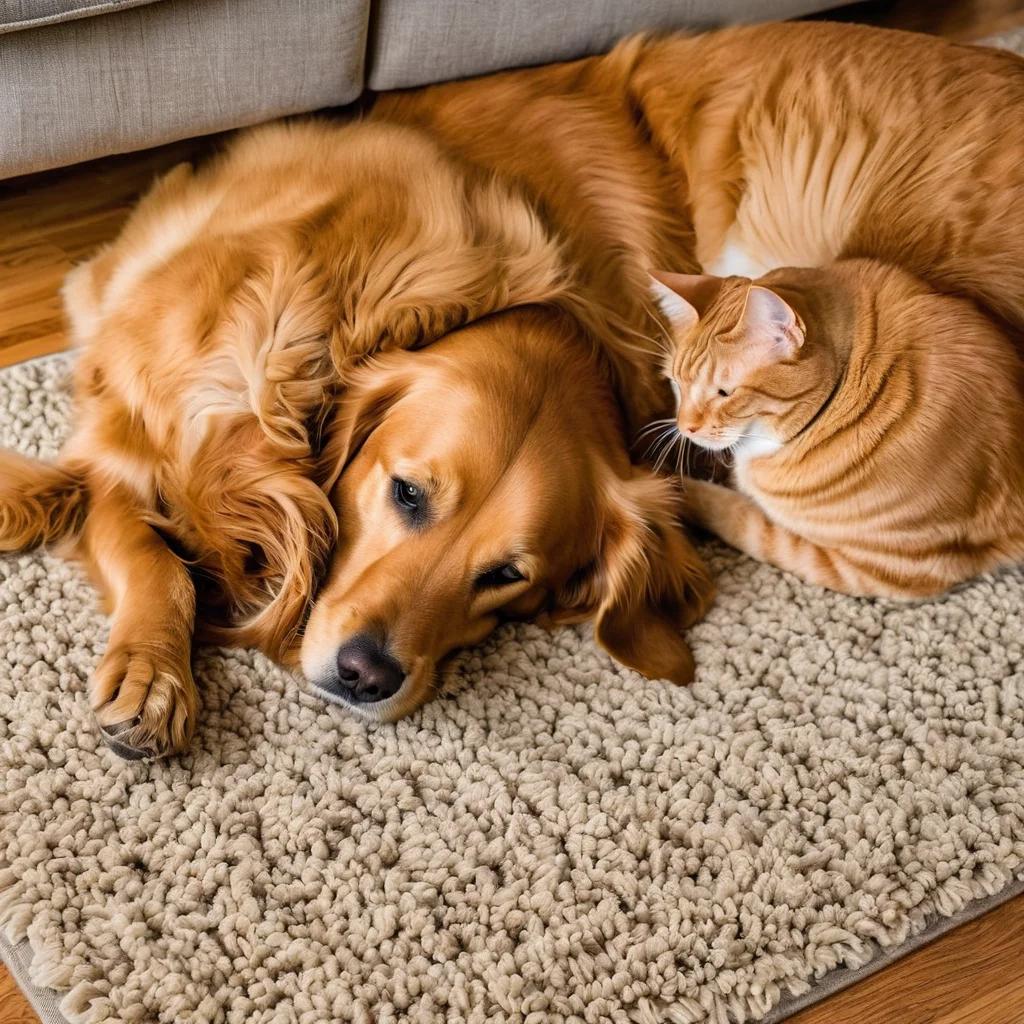

Dogs and cats can live in the same home, but the right introduction and long-term training are a must. Which breeds get along, the advantage of starting young, separate areas, play rules, a shared routine. A dog's prey drive is a threat to a cat, and a cat's scratching and hissing are stressful for a dog. In this post we take a detailed look at helping dogs and cats live together.
1. Dog Breeds That Get Along
- Get along well: Golden Retriever, Labrador, Bichon Frise, Cavalier King Charles, Maltese, Beagle (social).
- Moderate: Boxer, Bulldog, Pug, Cocker Spaniel.
- Difficult: Terrier breeds (hunting instinct), Husky, Greyhound, Whippet (prey drive).
- An older dog may take on a caretaker role.
- Socializing at a young age = easier harmony.
- Prey drive can be controlled with training.
2. The Young-Age Advantage
- The young stage (3-12 weeks) is the social window.
- A puppy and a kitten together is the easiest.
- A young pet sees the other species as normal.
- An adult pet and a new youngster: moderately difficult.
- An adult pet and an adult of the other species = difficult.
- Early socialization pays off for years.
- The young stage is an investment for the owner.
3. Stages of Introduction
- Details in an earlier post (the new pet and resident pet protocol).
- A slow process of 1-2 months.
- Scent → sight → on leash → free.
- Controlling the dog's prey drive is essential.
- The cat needs high places to escape to.
- The owner plays the mediator.
- A rushed introduction = long-term problems.
4. Separate Areas
- Cat-only areas (high shelves, a room).
- A baby gate to separate the dog's area.
- The cat's feeding spot out of the dog's reach (up high).
- The litter box out of the dog's reach (a dog eating litter = stomach problems).
- Keep the cat away from the dog's food (dog food is not balanced enough for cats).
- Separate sleeping areas.
- A hiding spot the cat can always count on.
5. Managing Play
- Train the dog that "chasing" is NOT allowed.
- When the cat backs off, the dog stops.
- A solid "Leave it" command.
- Watch their play sessions (always).
- When the cat gets into play mode, the dog stays calm.
- Too much excitement = a break.
- Rough play = the owner separates them.
6. Managing Feeding
- Dog food and cat food are different (nutritional values).
- A dog eating cat food = pancreatitis and gut problems.
- A cat eating dog food = protein deficiency (over time).
- Separate mealtimes and separate places.
- Give treats to each pet separately.
- Dog food on a high shelf (away from the cat).
- Water in several spots.
7. Training and Commands
- Solid "Leave it," "Settle" and "Down" commands for the dog.
- Positive reinforcement (rewards).
- Reward when the cat accepts the dog.
- When the dog chases the cat, move it away and give no reward.
- Consistent rules.
- Every family member uses the same method.
- Training takes months.
8. A Fair Bond with the Owner
- Separate time for each pet.
- Walks: focus on the dog.
- Cuddles and play: focus on the cat.
- Keep jealousy in check.
- After a new pet arrives, give the resident pet extra attention (to prevent jealousy).
- The role of a "pet-loving owner."
- Every pet is special = special time.
9. Fights and Injuries
- A dog's bite on a paw can injure the cat.
- A cat's claws can injure the dog's eyes or nose.
- Emergency vet (cat teeth and claws carry an infection risk).
- Antibiotics needed (cat bacteria).
- Serious fights = living apart becomes necessary.
- Consult a behavioral vet.
- Pets' personalities can be opposites.
10. The Long-Term Bond
- The first year is the hardest.
- After 2-3 years, most pets get along.
- Some pets become close buddies (sleeping together, playing).
- Some pets only tolerate each other (no fighting, no socializing).
- Both outcomes are OK.
- A happy multi-pet home for the owner.
- When one pet dies, the other grieves (a real bond).
- Respecting each pet's personality = a harmonious life.
Dogs and cats together: the formula is a compatible breed, the young-age advantage, gradual introductions, training and separate areas. Don't expect fast results; it is a process of months or years. The owner's role as mediator is critical. Respecting each pet's personality = long-term harmony. If their personalities are opposites, living apart is sometimes necessary. In the DoldurKabı app, multi-pet owners can share experiences and find specialist vets on a map.









