


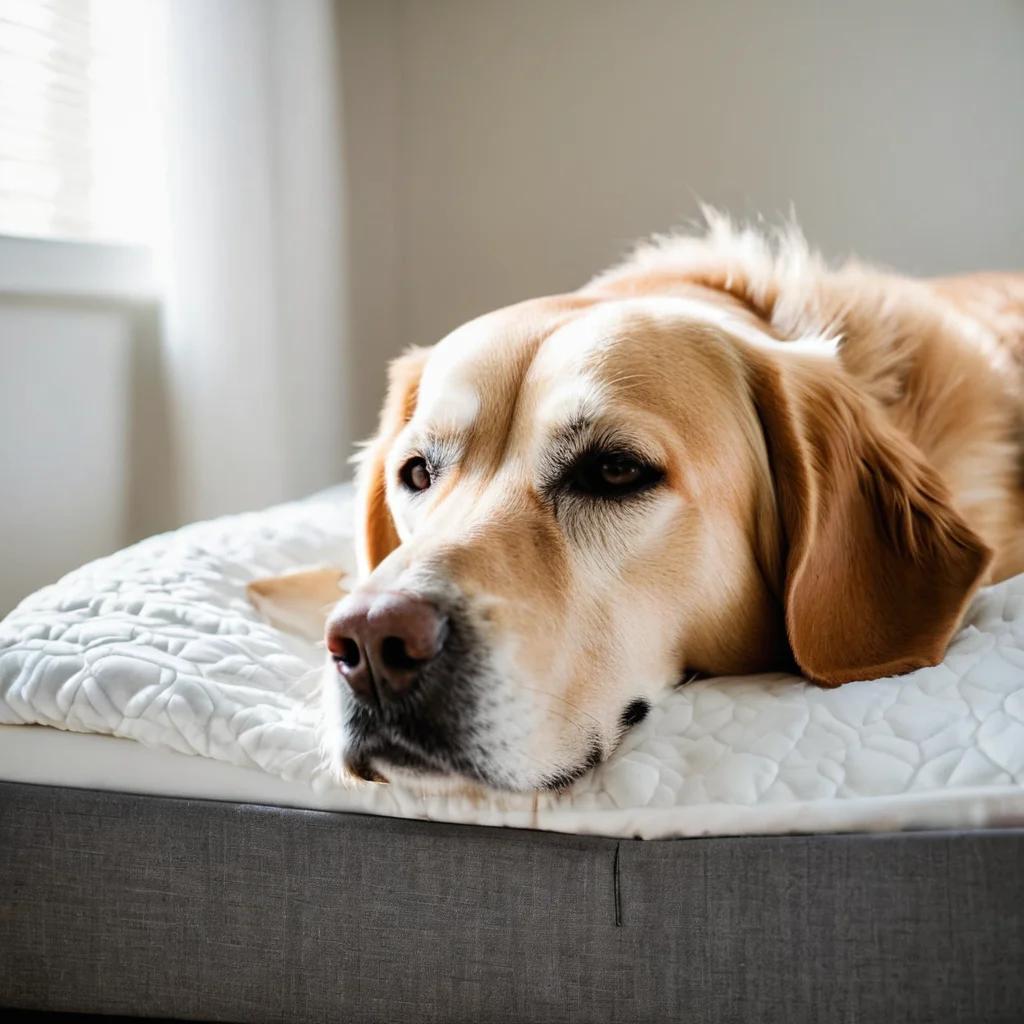

Osteoarthritis is the most common age-related joint disease in dogs and cats. It means worn joint cartilage, inflammation and pain. It is the main reason a senior pet's quality of life drops. With early diagnosis, pain management, glucosamine support and weight control, a pet can live comfortably for years. In this article we look at osteoarthritis in detail.
1. What Is Osteoarthritis?
- Joint cartilage slowly wears away.
- Bone starts rubbing against bone.
- Inflammation, pain and limited movement.
- The joint space narrows and osteophytes (bone spurs) develop.
- It can't be reversed, but it can be slowed.
2. Causes
- Aging: 7+ years in dogs, 10+ years in cats.
- Joint dysplasia: Abnormal development of the hip or elbow from birth.
- Trauma: A past bone fracture or ligament damage (CCL rupture).
- Obesity: 2-3 times the load on the joints.
- Too much exercise: Excessive running, excessive jumping.
- Too little exercise: The joints weaken.
- Genetics: Large breeds are prone to it.
3. How the Signs Progress
- Early:
- Slower getting up in the morning.
- Pausing when climbing stairs.
- A slower walking pace.
- Long rest after exercise.
- Moderate:
- Clear limping.
- Joint swelling.
- Signs get worse when the weather changes.
- Dogs: don't want to get into the car.
- Cats: don't want to jump onto high shelves, go to the bathroom outside the litter box.
- Advanced:
- Constant signs of pain (whining, aggression).
- Muscle atrophy (the painful leg goes unused).
- Behavior changes (restlessness, seeming depressed).
- Loss of appetite.
4. Diagnosis
- Clinical exam: joint palpation and range-of-motion testing.
- X-rays: imaging of the joint space, osteophytes and sclerosis.
- Blood tests: to rule out other diseases.
- Joint fluid analysis: to rule out inflammatory arthritis (Lyme, immune-mediated arthritis).
- Advanced: MRI and CT imaging.
5. Treatment (Multimodal)
NSAIDs (anti-inflammatory and pain relief):
- Carprofen (Rimadyl), Meloxicam (Metacam), Galliprant for dogs.
- Robenacoxib, Meloxicam for cats (with caution, as cats are sensitive to NSAIDs).
- Yearly blood tests (to monitor the liver and kidneys).
Joint support:
- Glucosamine and chondroitin (Cosequin, Synoquin).
- MSM (methylsulfonylmethane).
- Omega-3 (high dose).
- Green-lipped mussel extract.
- Hyaluronic acid injections.
Modern treatments:
- Librela (bedinvetmab): A monoclonal antibody injection for dogs, given monthly. Anti-NGF.
- Solensia (frunevetmab): The cat version. Since cats can't use NSAIDs, it is a revolution.
- Adequan (PSGAG injection).
- PRP (Platelet-Rich Plasma) therapy.
- Stem cell therapy.
6. Weight Control (Vital)
- Joint pain and obesity are a bad combination.
- Losing 5-10% of body weight reduces signs by 30% or more.
- Low-calorie orthopedic food.
- Slow weight loss (goal over 2-3 months).
7. Exercise (Low-Impact)
- Walks on soft ground (grass, dirt).
- Swimming: easy on the joints, keeps muscle.
- Short, frequent sessions (15-20 min × 2-3).
- No jumping or running.
- Limited stairs.
- Cats: ramps for reaching high spots.
8. Physical Therapy
- Passive joint mobilization.
- Water (hydrotherapy): underwater treadmill.
- Laser therapy.
- Acupuncture.
- Massage.
- Heat and cold therapy.
- Veterinary physical therapy clinics are growing in Türkiye.
9. Home Setup
- Orthopedic bed (microporous foam).
- Non-slip rugs.
- Ramps (to the bed, to the car).
- Raised food and water bowls (no bending down).
- A warm, dry spot (joint pain gets worse in the cold).
- A soft-edged litter box for cats.
10. Prognosis and Quality of Life
- There's no cure, but years of comfortable life are possible.
- A multimodal approach brings comfort to 80%+ of dogs and cats.
- Regular vet checkups every 6 months.
- Monthly cost of 500-2,000 Turkish lira (medication, supplements and modern treatments).
- Tracking with a quality-of-life score (Helsinki Chronic Pain Index).
Osteoarthritis is the most common source of pain in senior dogs and cats, and with a multimodal approach, years of comfortable life are possible. Modern drugs (Librela, Solensia) are revolutionary. Early diagnosis, weight control, low-impact exercise and orthopedic support are vital. In the DoldurKabı app, you can find vet clinics experienced in orthopedics and physical therapy on the map.









