


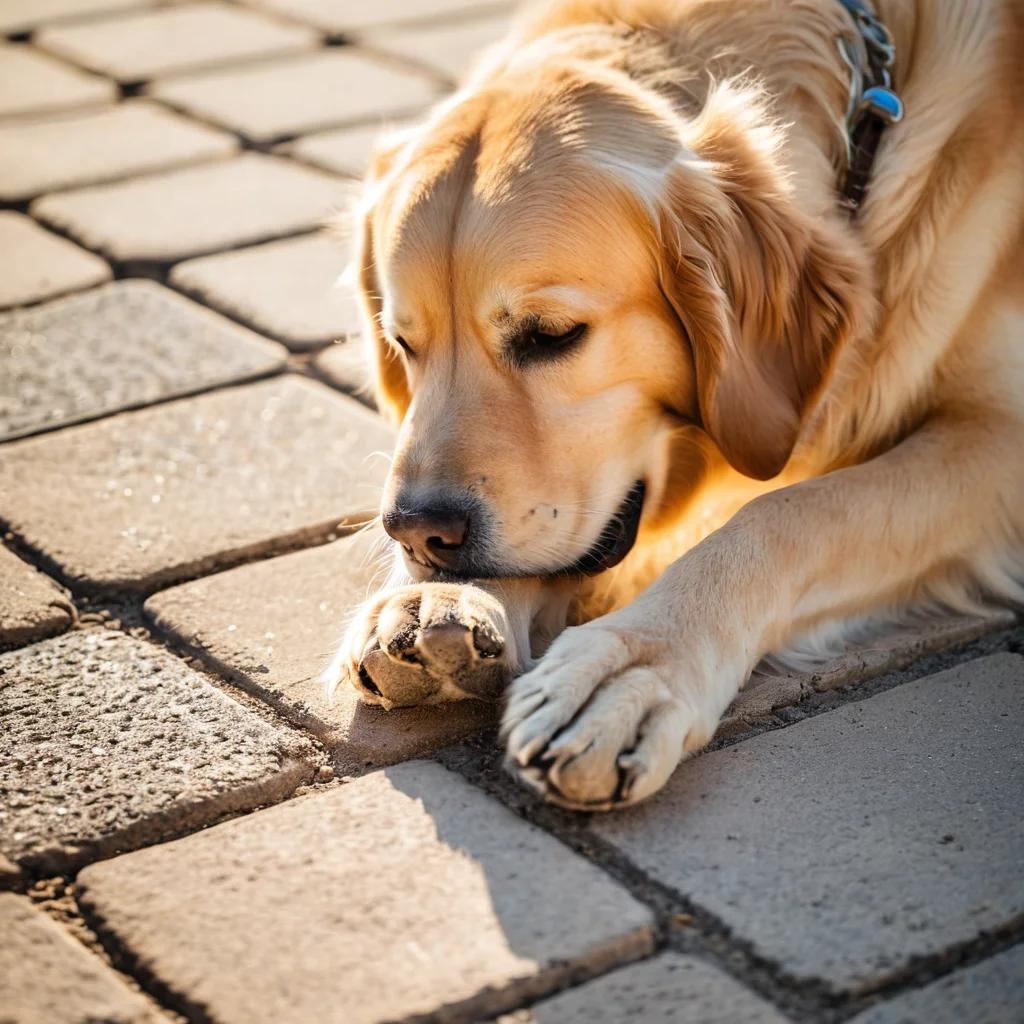

On a summer afternoon, when the outside temperature is 30°C, asphalt in direct sun reaches 55-60°C. That temperature burns the skin of a dog's paw in under 60 seconds. A second-degree burn can form before you even notice; the dog suddenly starts limping, and by evening the paws blister and peel. This post explains, in clear steps, how to recognize asphalt burns, how to prevent them and what first aid to give if one happens.
1. Hot Asphalt = An Invisible Danger
The skin on a dog's paw is more sensitive than the sole of a human foot. Even if your dog is used to walking on the street every day, paw pads burn in the heat. When it's 32°C on a Saturday at noon, park asphalt can be 55°C, dark-colored ground 60°C and black stone 65°C. Direct sun + dark color + between 12:00 and 17:00 is the most dangerous combination.
2. The 7-Second Hand Test
Before heading out for a walk, put the back of your hand on the asphalt and count to 7. If you can't hold it there for 7 seconds, you can't walk your dog on that asphalt. This test is simple and quick, and it prevents 90% of dangerous burns.
If it fails the test:
- Move the walk to 6-9 a.m. or 8-10 p.m.
- Switch to a grassy route (park, dirt or sand instead of asphalt).
- Walk on shady side streets.
- For very short potty breaks, consider using a pee pad or keeping it inside.
3. Signs of a Burn: How Can You Tell?
Asphalt burns are usually noticed after you get home, not during the walk. Watch for these signs:
- The dog keeps licking or chewing its paw.
- Redness, blisters or peeling on the pads.
- Limping while walking, holding a paw up to rest it.
- Dark spots on the paw: asphalt may be stuck to it.
- In bed, the dog keeps tucking the paw under its other paw.
4. First Aid If You Find a Burn
- Rinse the paws with lukewarm water for 5-10 minutes. Don't use ice; it damages the tissue further.
- If the wound looks dry, pat it dry with a towel (without rubbing).
- A vet-approved burn ointment (products similar to Bepanthol are available in Türkiye, but do NOT use human ointments without a VET's recommendation).
- If the burn is large, deep or peeling, see a vet within 24 hours.
- E-collar or paw sock: keeping the dog from licking the wound is critical, because infection is the biggest risk.
5. The Never-Do List
- Don't put the paw in ice water. Risk of shock, and it slows healing.
- Don't apply toothpaste, yogurt or cream. Folk remedies make the wound worse.
- Don't use human medications (Bepanthol, Madecassol) without supervision. The dog licks them, which can cause systemic poisoning.
- Don't leave it under a bandage for long. A burn that can't breathe gets infected.
6. Prevention: Using Paw Wax
Among products made for hot climates, paw wax (Musher's Secret, Paw Wax) is popular. A thin layer goes on the pads before a walk and provides partial protection. It's not a complete solution (you still shouldn't walk on asphalt above 50°C), but it adds an extra layer of protection for everyday outings.
An alternative: dog boots. They may look "funny," but they're practical for dogs that are out and about all summer. Nylon soles + Velcro straps; dogs get used to them in 2-3 days.
7. Timing and Route Strategy
The summer walking rule: 06:00-09:00 + 20:00-22:30. At these hours, the asphalt stays below 35°C and the air doesn't cause heat shock. Around midday, only potty breaks + 2-3 minutes on a grassy spot.
Planning your route:
- Cross street corners quickly; keep stop-and-wait time on asphalt to a minimum.
- Walk on the tree-lined side and cross over to the shady side.
- Choose parks with water fountains (access to water).
- Manhole covers and metal surfaces get extra hot, so step over them.
8. Extra Risk for Brachycephalic and Thick-Coated Breeds
Breeds like the Bulldog, Pug, Boxer, Husky and Bernese Mountain Dog are very sensitive to heat. These breeds can suffer a combination of burns and heatstroke. Keep summer activity to a minimum and make up for it with indoor play if needed.
9. Senior Dogs and Dogs with Joint Problems
Senior dogs have thinner paw pads and are more prone to burns. Joint problems also get worse in the heat. Throughout the summer, walks for senior dogs should be shorter, at cooler times of day and on routes with soft ground.
10. When an Emergency Vet Visit Is a Must
With these signs, don't wait; a vet check within 24 hours is essential:
- A deep wound, torn tissue or bleeding on a paw pad.
- More than one paw affected.
- The dog can't put weight on its foot.
- Fever or lethargy along with the burn (possible heatstroke).
- The wound shows no sign of healing in 2-3 days.
Asphalt burns are a preventable accident. With the trio of the 7-second hand test + early walks + paw wax, your dog's paws stay healthy all summer. If a burn does happen, quick action + an e-collar + a vet check bring healing down to 7-10 days.









