


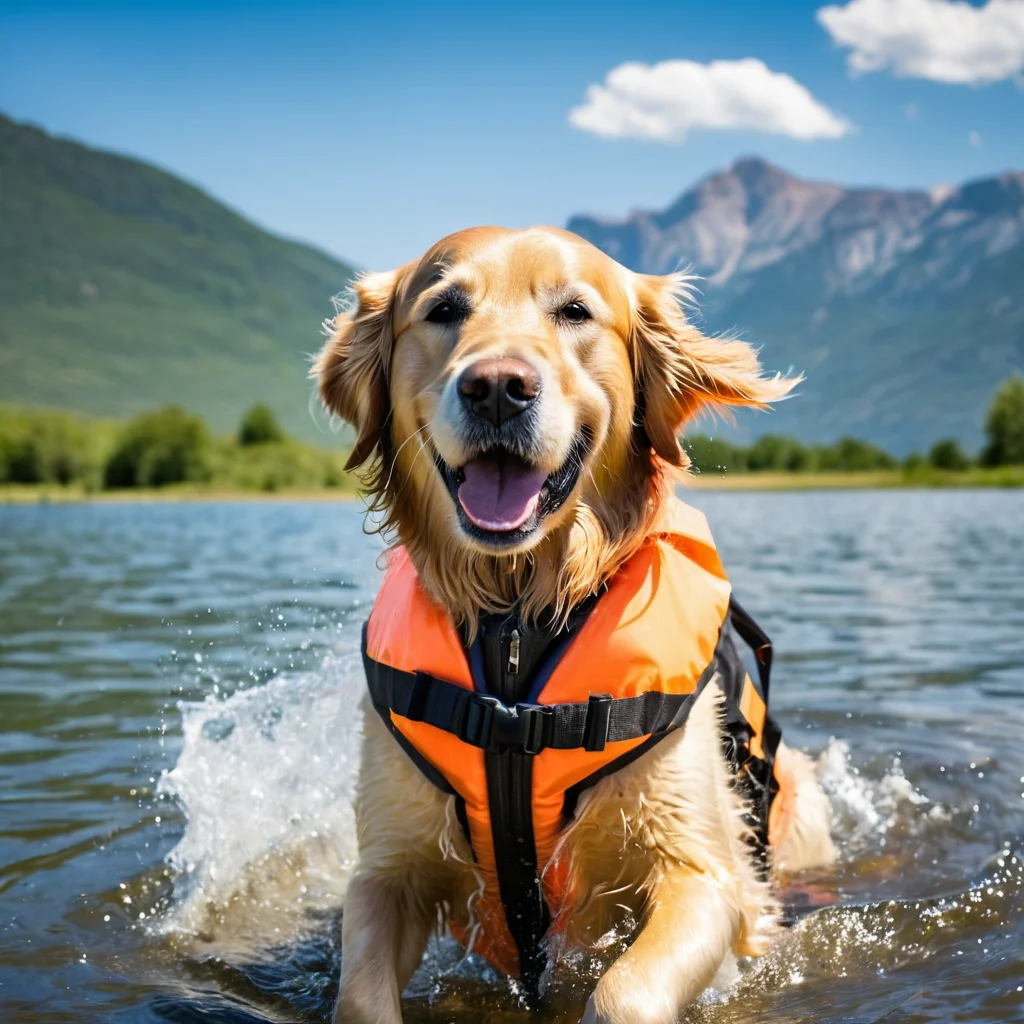

One of the summer activities many people love is enjoying the sea, a lake or a pool with their dog. However, not every dog is a natural swimmer; some breeds refuse even to touch water, and in brachycephalic (short-nosed) breeds the risk of drowning while swimming is quite high. Swallowing seawater upsets the electrolyte balance, and the effects of pool chlorine on the eyes and skin can last for weeks. In this article, we look step by step at dog swimming safety, choosing a life jacket, care after being in the water and emergency response.
1. Which Dogs Swim Naturally and Which Don't?
Natural swimmers: Labrador Retriever, Golden Retriever, Portuguese Water Dog, Newfoundland, Standard Poodle, Chesapeake Bay Retriever. These breeds are usually comfortable in water and paddle naturally.
Dogs for whom swimming is hard or dangerous:
- Brachycephalic breeds (Bulldog, Pug, Boxer, Boston Terrier): a short nose, a heavy chest and weak breathing capacity. They spend too much effort keeping their head above water while swimming and tire quickly.
- Toy breeds (Chihuahua, Yorkie, Maltese): an unbalanced body-to-head ratio, they get cold fast and are scared of small waves.
- Short-legged, long-bodied breeds (Dachshund, Basset Hound): their paddling reach is too short, so they sink below the surface.
- Slim, fast breeds (Greyhound, Whippet): no fat layer, so they get cold and sink.
2. Life Jackets: Which Product and How to Put It On
Whether or not they can swim, every dog that goes into deep water should wear a life jacket. Features of the right jacket:
- A handle on the back, which is critical for pulling the dog out of the water.
- It should wrap the dog's whole body, not just the back.
- Neck support, which keeps the head above water.
- Reflective strips for visibility at dusk.
- The right size: chest girth and weight measurements should match.
Brands: Ruffwear, Outward Hound, EzyDog, Trixie. In Türkiye, pet shops and online pet stores carry them. Choosing the size matters: a loose jacket slips under the water, and a tight one restricts breathing.
3. The First Swim: A Positive Introduction
Suddenly pushing a dog into the water can create a lasting fear of water. The right introduction:
- Start in shallow water, ankle deep, at a depth where your dog can stand.
- Let your dog go in at its own pace while you sit on the shore.
- Toys and balls in the water, and treats while wearing the life jacket.
- A first session of 5-10 minutes, with a dry towel ready.
- "Good dog" plus a treat, for a positive association.
- 2-3 shallow water sessions in the first week.
If your dog is shaking, running away or backing away from the water's surface, don't force it. Swimming should be a fun activity, not an achievement to win.
4. The Danger of Seawater
Dogs naturally swallow some salt water while swimming. A small amount is not a problem; however, too much seawater leads to these problems:
- Salt poisoning: Brain swelling, seizures, vomiting, death. 4 grams of salt per kg is dangerous.
- Diarrhea and dehydration: Intestinal irritation.
- Electrolyte imbalance: Too much sodium, weakness.
Prevention: make sure your dog is well hydrated before swimming (a thirsty dog drinks more seawater). Keep a bottle of fresh water on hand while swimming and offer 50-100 ml of fresh water every 15-20 minutes. It dilutes the salt water that was swallowed.
5. Pools: The Effects of Chlorine and Chemicals
Pool water is not as salty as the sea, but chlorine and other pool chemicals can cause these in dogs:
- Red, watery eyes (clears up in 1-2 days)
- Dry, itchy skin and dandruff
- Coat color lightening (especially in light-coated breeds)
- Swallowed chlorinated water = nausea
- Risk of ear infection
Prevention: give your dog a shower afterward when it has been in the pool to rinse off chlorine residue. Dry the ears by pressing gently with a dry towel (no rubbing).
6. Care After Swimming: A 10-Minute Routine
- Dry the whole body thoroughly with a dry towel.
- Gently clean the inside of the ears with dry cotton (don't push it in).
- Check the paw pads, since there may be sand, seashells or small stones.
- Comb the coat, working out tangles, especially in long-haired breeds.
- Wipe the nose and eyes with damp cotton.
- Offer fresh water, since your dog will be thirsty.
- After 30-60 minutes, a cool (not hot) shower.
7. Drowning: Emergency Response
Drowning in dogs is much quieter than adults expect: the dog struggles to get air and doesn't make noise. Signs:
- Staying still instead of thrashing, and slipping under the water.
- Constantly pointing the nose upward, panic.
- Swallowing water, coughing, coughing again, stopping breathing.
Response:
- Get the dog out of the water quickly, using the jacket handle or by holding the dog around the shoulders.
- Lift the dog so its head points down and let the water drain from its mouth (10-15 seconds).
- Check whether it is breathing. If not: CPR (chest compressions by hand, adjusted to the dog's weight relative to the size of your fist).
- Go to the nearest vet quickly, since water-related pneumonia (drowning pneumonia) can show up again within 24-48 hours.
8. Signs of Illness After Being in the Water
Go to the vet if you see any of these signs within 24-48 hours after a swim:
- Trouble breathing, wheezing, a blue tongue.
- Repeated vomiting.
- A fever above 39.5°C.
- Lethargy, refusing to play.
- Constant ear scratching and a bad smell (the start of otitis externa).
9. Dog-Friendly Beaches and Lakes in Türkiye
The number of pet-friendly beaches in Türkiye is limited but growing. Under the rules of the Ministry of Environment and Urbanization, pets are banned at Blue Flag beaches, but there are dedicated dog beaches and areas:
- Çeşme - some beaches in Alaçatı (allowed outside the season)
- Kaş - private nature areas on the Kapal Peninsula
- Antalya - natural coves at Lara (the less crowded ones)
- Certain areas along the shore of Lake Sapanca
- The area around Lake Abant (Bolu)
Before going to the beach, always confirm with the municipality or the business, since rules can change.
10. Alternatives for Dogs That Don't Swim
If your dog doesn't like swimming, try these alternatives instead of forcing it:
- A dog pool (kiddie pool): A shallow plastic pool in the yard that your dog can step in and out of whenever it wants.
- Water spray games: A garden hose and a game that cools your dog down.
- Cooling mat: The gel cools when your dog lies on it, working for at least 1-2 hours.
With the right preparation, swimming with your dog is a wonderful summer activity. The trio of a life jacket, fresh water and care after swimming gives you safe seasons for years.









