


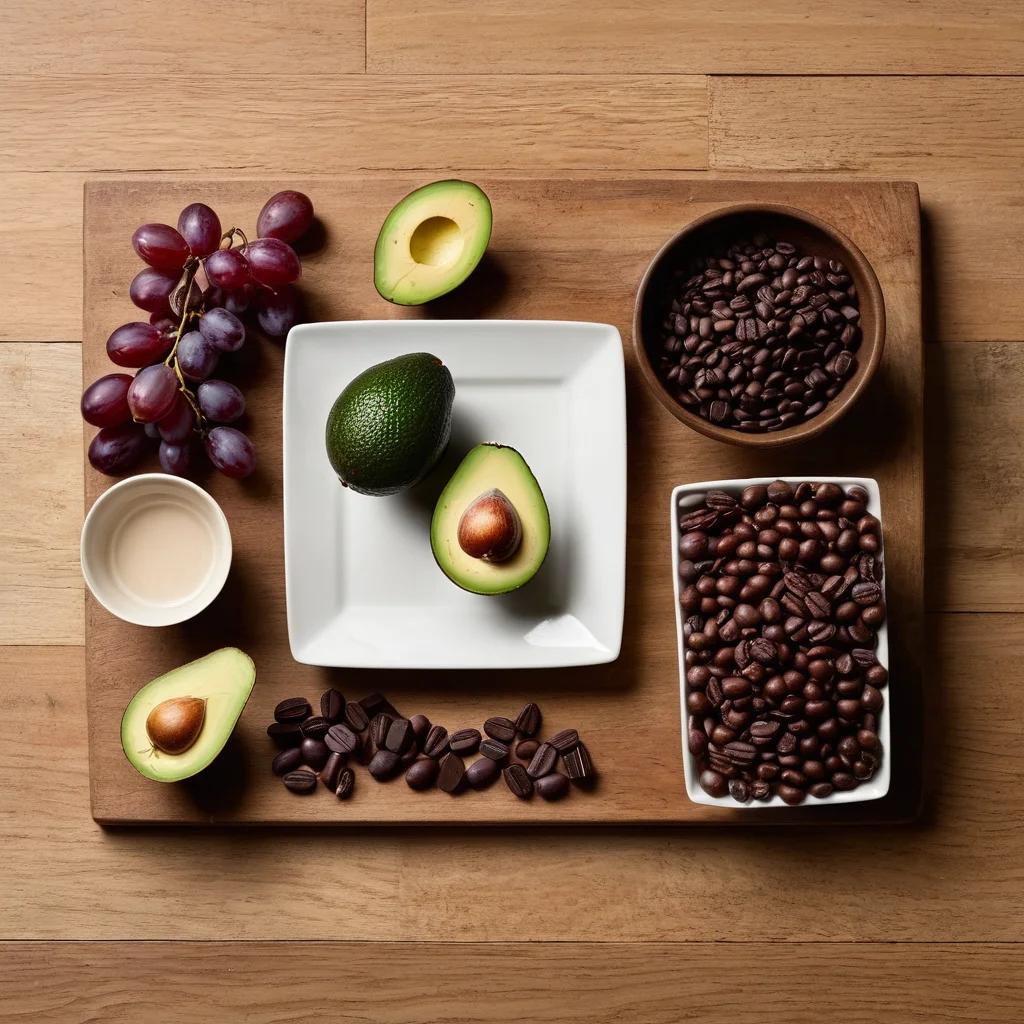

Dogs can't eat everything we eat. Everyone knows that by now, but most owners only half know the answer to "so what exactly is on the forbidden list?" The 25 human foods below are moderately to highly toxic for dogs, and some can be fatal even in a small bite. You can use this guide as a reference: stick it on the fridge, or show it to guests and kids who come over. When in doubt, always ask a vet; this post is not an emergency management guide on its own.
1. Strictly Off-Limits: Fatal Risk (10 Items)
- Chocolate: especially dark chocolate and cocoa powder. A dog's liver cannot metabolize theobromine. 20 g of dark chocolate is a serious case for a 5 kg dog.
- Grapes and raisins: acute kidney failure. There is no reliable threshold dose; in some dogs even 4-5 grapes are fatal. Off-limits always.
- Xylitol: found in sugar-free gum, toothpaste, some peanut butter products and "diet" products. It drops blood sugar within minutes, followed by liver failure. The sneakiest killer, so never skip reading the label.
- Onion, garlic, leek, onion powder: every form of the Allium family (fresh, cooked, powdered, juice) destroys red blood cells. Even small amounts add up to a cumulative risk.
- Macadamia nuts: paralysis-like weakness, tremors, fever. Even 3-4 nuts can knock a small dog off its feet.
- Alcohol: beer, wine, alcohol used in dough, even disinfectant residue. Hypothermia, coma, death.
- Raw (yeast) dough: the yeast keeps working in the dog's stomach; the belly swells and alcohol is released. A double toxicity (stomach twisting plus alcohol poisoning).
- Avocado: contains persin; swallowing the pit in particular means stomach blockage plus heart toxicity.
- Caffeine: coffee, tea, energy drinks, cocoa powder. Hyperactivity, heart rhythm problems.
- Peach/plum pits: contain cyanide, plus stomach blockage.
2. High Risk: Absolute Caution (8 Items)
- Salt / very salty food: chips, crackers, salami, beef jerky. Sodium poisoning, thirst, seizures.
- Raw meat / eggs: salmonella and E. coli risk. The avidin enzyme in raw egg disrupts B vitamin absorption.
- Uncooked bones (especially chicken): splintering, perforation of the digestive tract.
- Fatty food / fast food: triggers pancreatitis; dogs have a low tolerance for swallowed fat.
- Dairy (large amounts): most dogs are lactose intolerant; a teaspoon of yogurt is no problem, a glass of milk causes diarrhea.
- Hot/spicy food: chili, heavily seasoned meat. Stomach irritation, vomiting.
- Raw potato: contains solanine, especially green-tinged skin.
- Tomato leaves / green tomatoes: solanine; ripe red tomatoes are lower risk but should still be limited.
3. Moderate Risk: Small Amounts With Care (7 Items)
- Bread / yeast dough products: a small piece is fine; too much is empty calories, and some contain alcohol residue.
- Sugar / sugary drinks: tooth decay, obesity and diabetes risk over the long term.
- Pineapple / kiwi / citrus: harmless in small amounts; too much acid irritates the stomach.
- Mushrooms (even edible ones): wild mushrooms are toxic; store-bought mushrooms are acceptable in small amounts, but never ones picked outdoors.
- Raw fish: anisakis parasites and a thiamine-destroying enzyme.
- Cinnamon: harmless in small amounts; too much irritates the airways and lowers blood sugar.
- Canned tuna (for humans): mercury load; no more than once a week.
4. "Dangerous" Foods That Are Really Just Myths
- Peanut butter (xylitol-free): Good for dogs. Check the label; if there is no xylitol, it is widely used as a training reward.
- Carrots, zucchini, apples (seedless): Healthy snacks.
- Lean chicken, turkey (cooked, boneless): Excellent protein.
- Oats, rice (plain, unseasoned): Even recommended by vets for upset stomachs.
So it is not "all human food is forbidden" for dogs; a specific list is forbidden, and the rest is limited and balanced.
5. Emergency: If You Suspect Your Dog Ate Something
- Note the item, the amount and the time it was eaten.
- Quickly recall your dog's weight.
- Call your vet right away. If they are closed, a 24/7 emergency clinic.
- Don't try to make your dog vomit until the vet says "yes." 3% hydrogen peroxide is for dogs only and only with vet approval. If a corrosive substance was swallowed, vomiting causes additional burns.
- Get on the road. On the way, keep an eye on your pet's alertness, gum color and breathing.
6. Symptom Timeline
- 0-30 min: Vomiting, drooling, diarrhea (acute reactions).
- 30 min - 6 hours: Tremors, seizures, lethargy.
- 6-24 hours: Changes in urine, blood in stool.
- 24-72 hours: Liver/kidney damage (the delayed picture of grapes, xylitol, antifreeze).
No symptoms does not mean "it passed"; some poisons progress silently.
7. Prevention: A Home Safety Check
- Kitchen counter: Chocolate, grapes and gum are never left on the counter.
- Trash can: With a locking lid.
- Sweets/snack cupboard: Childproof-lock level.
- Parties and guest days: Warn guests ahead of time: no "little treat out of kindness" for the dog.
- Kids + dogs + food: Adult supervision is a must; a child may hand over chocolate without knowing.
- Food packages at restaurants or parks: A dog can snatch something fast from a pocket-sized pack.
8. Dog Treats: Safe Options
- Cooked chicken breast (lean, unseasoned), in small pieces.
- Carrot sticks (raw or cooked).
- Cucumber slices.
- Apple pieces (seeds and stem removed).
- Plain dog biscuits.
- Frozen water and molasses cubes (xylitol-free), for the summer months.
- Peanut butter (the label must confirm no xylitol), in very small amounts.
How much to treat: treats should not exceed 10% of daily calories. Otherwise you get imbalance and obesity.
9. Frequently Asked Questions
My dog only ate one piece of chocolate. Should I wait?
No. Don't wait without knowing the amount and the type of chocolate. 5 g of milk chocolate is probably fine for a 5 kg dog, but 50 g of dark chocolate is an emergency for the same dog. Tell your vet the amount and type, and let them make the call.
Is peanut butter really safe?
If the label says "xylitol-free," yes, and in small amounts it is an excellent reward. Some "natural" or "diet" brands may hide xylitol, so never skip reading the label.
My dog begs for food constantly. What should I do?
Begging is reinforced by the owner: if scraps get tossed from the table, the dog learns. Set a consistent boundary: at mealtimes the dog is in another room or on its bed, and never any scraps from the table. Training treats happen at a different time and in a different place.
I want to feed a stray dog. What is safe?
Plain cooked chicken, plain rice, dog biscuits. Don't give chocolate, diet products with gum, or spicy human food. A water bowl in an open area also helps a lot.
Where can I learn the list in more detail?
The ASPCA Animal Poison Control web page (in English) is a very thorough resource; you can also bring your questions to your vet. In DoldurKabı Pet Health Tracking, add your dog's known allergies and your "must not eat these foods" list as notes.
Does "natural" on a dog food label mean it is safe?
No. "Natural" is a marketing term, not a binding standard. To judge your food's real value, look at the ingredient list (meat content, grains, phosphorus, sodium) and ask your vet for advice.
My dog has eaten a bit of chocolate for years and "it was fine." Is it still dangerous?
Yes. Tolerance and luck differ from animal to animal; one day the dose crosses the threshold and it becomes an emergency. Cumulative organ stress is also a known effect. A past that was "fine" doesn't promise a safe future.
Final Word
Living with a dog includes adjusting our kitchen habits for their safety. This 25-item list, kept on your fridge door, can save a life in 5 minutes.
Add your dog's weight, known food allergies and your family vet's phone number to DoldurKabı Pet Health Tracking; in an emergency, your phone screen becomes more valuable than anything.
This guide is for information only; if you suspect your dog swallowed something, always contact your vet first.









