
Gum disease (periodontitis) is the most common clinical disease in dogs: after age 3, 80% of dogs are affected. Plaque → tartar → gum inflammation → bone loss → tooth loss. On top of that, it leads to systemic diseases of the heart, kidneys and liver.
Stages
- Stage 1 (Gingivitis): Mild redness, reversible
- Stage 2 (Early periodontitis): 25% bone loss
- Stage 3 (Moderate): 25-50% bone loss, teeth become loose
- Stage 4 (Advanced): 50%+ bone loss, teeth are lost
Symptoms
- Bad breath (the most common)
- Yellow/brown tartar
- Red, bleeding gums
- Loss of appetite (eating is difficult)
- Chewing on one side
- Pawing at the mouth
- Swelling around the jaw and mouth
- Loose teeth
Systemic Effects
Gum infection gets into the bloodstream:
- Endocarditis (heart)
- Kidney failure
- Liver damage
- Difficulty controlling diabetes
Professional Treatment
At the vet clinic, under anesthesia:
- Cleaning of the teeth and below the gumline (scaling)
- Polishing
- Assessment of bone loss
- Extraction of teeth that need to come out
- An average of 2,000-5,000 Turkish lira a year
Prevention at Home
- Daily tooth brushing: Dog toothpaste + a finger brush
- Chew toys: Mechanical cleaning
- Dental food: Hill's t/d, Royal Canin Dental
- Dental treats: VOHC approved (Veterinary Oral Health Council)
- Water additives: Helpful but not enough
Yearly Vet Check-Up
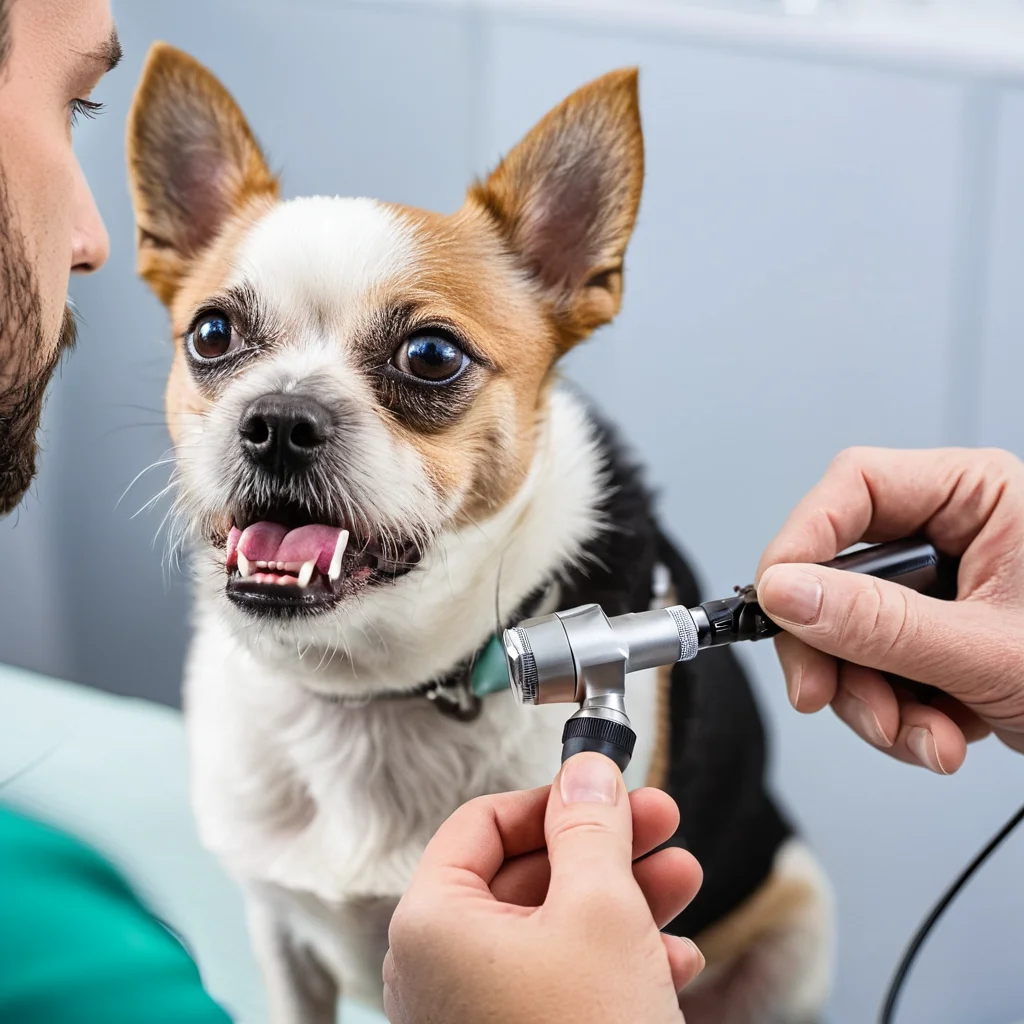
A mouth check is a must at the yearly vaccination visit. For dogs over age 5, a yearly professional cleaning is recommended.
FAQ
Can I use human toothpaste? NO. It may contain xylitol, which is deadly.
Are dental treats enough without brushing? Not enough. Brushing is the gold standard.
Is anesthesia risky for a senior dog? With pre-anesthetic blood tests and a careful anesthesia protocol, it's generally safe.
This content is for informational purposes. For a definitive diagnosis and treatment, consult your veterinarian.
Your yearly vet check-up schedule lives in the DoldurKabı pet ID card system.