


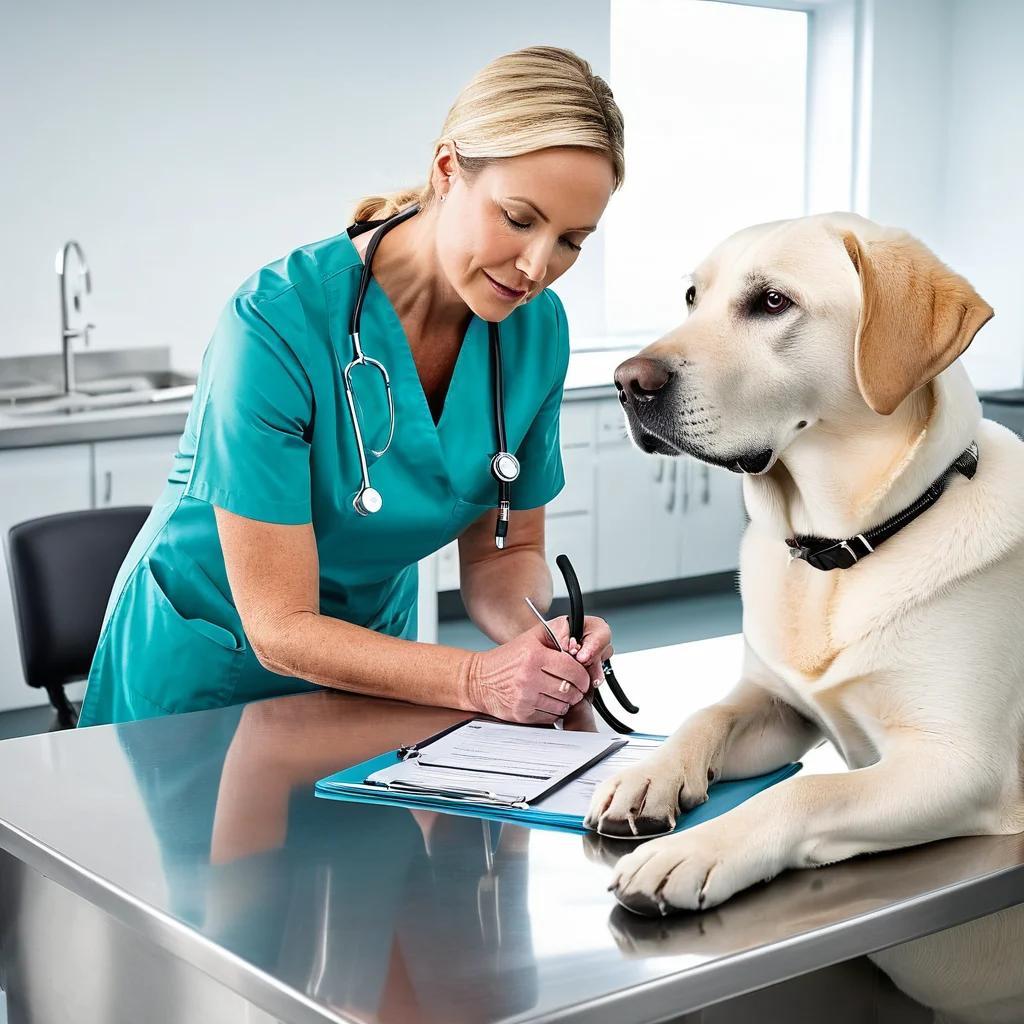

Diabetes in dogs is more common than you might think: roughly one in every 200-500 dogs is diagnosed with diabetes mellitus at some point in life. The good news: diabetic dogs that are diagnosed early and managed consistently mostly go on to live happy lives close to a normal lifespan. This article covers recognizing the symptoms, getting the right diagnosis, managing insulin, planning meals, and what to do at home during a hypoglycemia emergency.
Important: diagnosing and treating diabetes is entirely the responsibility of your vet. This guide was written for awareness and daily life, not for making decisions on your own.
1. What Is Canine Diabetes, and How Is It Different from Human Diabetes?
Diabetes mellitus is a rise in blood sugar that happens when the pancreas can't produce enough insulin or the body can't use that insulin effectively. The type seen in dogs mostly resembles Type 1, meaning the pancreas doesn't produce enough insulin and lifelong insulin from outside is needed. Type 2 (insulin resistance) is not as common as it is in people.
Diagnosis usually comes between 7 and 10 years of age. It is about twice as common in female dogs (especially those that aren't spayed). Some breeds (Poodle, Dachshund, Cairn Terrier, Samoyed) have a genetic predisposition.
2. 7 Early Signs
- Excessive drinking (polydipsia): If you have started refilling the water bowl many times a day.
- Frequent urination (polyuria): If a house-trained dog suddenly starts having accidents indoors.
- Increased appetite but weight loss: A classic contrast: "eating but wasting away."
- Tiredness, drowsiness: If a once energetic dog has become passive.
- Declining coat quality: Dull, coarse, thinning fur.
- Recurring urinary tract infections: Sugar in the urine feeds bacteria.
- Cataracts (cloudy eyes): These develop within a year in a significant share of diabetic dogs.
If you see two or more: don't put off the vet appointment.
3. Diagnosis: Which Tests?
- Fasting blood glucose: Above 200 mg/dL raises suspicion of diabetes.
- Urinalysis: Presence of glucose and ketones in the urine.
- Fructosamine test: Average blood sugar over the last 1-3 weeks. It isn't affected by stress and is more reliable than one-off readings.
- Complete blood count + biochemistry: Liver and kidney function, markers of additional damage.
- Abdominal ultrasound: Checks whether pancreatitis is also present.
Once the diagnosis is clear, your vet will walk you through the treatment plan step by step from the start, so there's no need to panic.
4. Insulin Management: Daily Practice
After diagnosis, 2 injections a day (12 hours apart, after meals) are usually prescribed. In the first week, stay in close contact with your vet: this is the dose-adjustment period.
- Fixed times: At the same time every day (e.g. 08:00 and 20:00). A 30-minute deviation is acceptable, an hour never.
- Storage: Keep insulin in the fridge at 2-8 °C. It must not freeze or be exposed to light.
- Mixing: Not straight out of the fridge, but after letting it sit at room temperature for 2-3 minutes. Don't shake the vial; just roll it gently in your hands.
- Injection technique: Into the loose skin at the back of the neck or along the side, under the skin (subcutaneous). Your vet will have you practice at the first visit.
- Needle changes: A clean needle for every injection. A used needle means pain and a risk of infection.
- Missed dose: Unless your vet says otherwise, don't double the dose to make up for a missed one. Give the next dose at its normal time.
5. Nutrition: The Role of Diet in Canine Diabetes
Consistent calories + consistent carbohydrates = stable blood sugar. That's why:
- High fiber + moderate protein + low simple carbohydrates: Veterinary prescription diabetic foods (Hill's w/d, Royal Canin Diabetic) follow this profile.
- Two main meals, 12 hours apart, in sync with the insulin injection times.
- Snack policy: Zero sugar, zero sugary treats. For training, use low-carb treats approved for diabetic dogs (a piece of carrot, a slice of turkey).
- Fixed amount: A fixed number of grams, weighed for every meal. Eyeballing it doesn't count.
- Unlimited, clean water: Dehydration speeds up diabetic complications.
If you want to cook at home, a recipe approved by a veterinary nutritionist is a must. "Bits of human food" put extra strain on the pancreas and make dosing unpredictable, which means unstable blood sugar.
6. Exercise: Not Less, but Consistent
- A 20-30 minute walk twice a day: not too intense, but consistent.
- The same time and the same intensity every day. Exercise increases the effect of insulin, so inconsistency throws the balance off.
- Before days of intense activity (camping, hiking), adjust the dose with your vet.
- If tiredness, unsteadiness or wobbling appears during exercise: stop, offer water and consider calling the vet.
7. Emergency: Hypoglycemia (Low Blood Sugar)
Too much insulin, a skipped meal or too much exercise can trigger hypoglycemia. This is a life-threatening emergency. Signs:
- Heavy trembling, unsteadiness
- Very strong hunger or, the opposite, refusing food
- Confusion, a vacant stare
- Cramp-like muscle contractions
- Loss of consciousness
If conscious: Rub honey, sugary molasses or glucose syrup (1 teaspoon) onto the palate or gums. If your dog recovers within 10-15 minutes, let your vet know.
If unconscious: Rub honey or glucose syrup inside the gums (so it's absorbed without swallowing), lay your dog on its side and head to the vet right away. Never try to force-feed: without a swallowing reflex, aspiration can be fatal.
Prevention: always keep a small glucose tube or honey packet in your bag, and have one ready at home too.
8. Regular Monitoring: 4 Key Checks
- Weekly home tracking: Note water intake, urine amount, appetite and energy. Log daily observations in DoldurKabı Pet Health Tracking.
- Monthly vet visit: Close monitoring for the first 3 months; after that, every 3 months for a stable dog.
- Glucose curve: A 12-hour blood sugar curve every 2-3 months to check how well the insulin is working.
- Yearly eye exam: If cataracts are caught early, surgery is possible.
9. Impact on the Owner's Lifestyle
Caring for a diabetic dog takes discipline: fixed times, fixed doses, fixed meals. Vacation planning means insulin storage (fridge + a reliable cooler bag), spare syringes and needles, and a briefed pet sitter or a caregiver you know. Leaving your dog alone for long stretches (8+ hours) is no longer something you can do without planning.
The first weeks are challenging, but once the routine settles in, "caring for a diabetic dog" turns into an everyday habit.
10. Frequently Asked Questions
Can a diabetic dog live a normal lifespan?
With well-managed diabetes, most dogs live close to a normal life expectancy. Early diagnosis + consistent care are the key. In neglected cases, complications (kidney failure, blindness) shorten life.
Is there an oral medication instead of insulin?
In dogs, oral diabetes medications (like metformin, used for human diabetes) aren't effective enough; the standard treatment is insulin injections. Unless your vet says otherwise, don't go looking for alternatives.
Does spaying cure diabetes?
In unspayed female dogs there is a condition called "diestrus diabetes", and in that case urgent spaying may reverse the diabetes. But a typical diabetes diagnosis doesn't go away with spaying. Your vet evaluates each case individually.
Should I always have honey in my pocket?
Yes. A small glucose gel or honey packet in your wallet + the same in a kitchen drawer at home. During a hypoglycemia emergency, 30 seconds make a difference.
Can my diabetic dog be vaccinated?
Yes, but during a stable period. If blood sugar is uncontrolled, your vet will postpone the vaccine. Pay extra attention for 24-48 hours after vaccination.
Can a mother dog with newborn puppies develop diabetes?
Hormonal fluctuations during pregnancy and lactation increase the risk of diabetes; in particular, a temporary diagnosis of "gestational diabetes" is known during pregnancy. If a pregnant dog shows intense thirst or weight changes, get tests done early.
Can a diabetic dog stay active?
It actually should. Consistent, moderate exercise helps control blood sugar. Very intense or irregular activity throws the balance off. The same pace every day works well.
Final Word
A diabetes diagnosis sounds frightening when you first hear it, but once a disciplined routine settles in, a diabetic dog is no less happy than any other. Injections on time, steady meals and steady walks: for a dog, these are already comforts.
If you enter your diabetes care plan into DoldurKabı Pet Health Tracking, insulin times, food portions and vet checkups come to you as automatic notifications, so you have less to keep in your head.
This guide is for informational purposes; diagnosis and treatment are always your vet's responsibility.









