


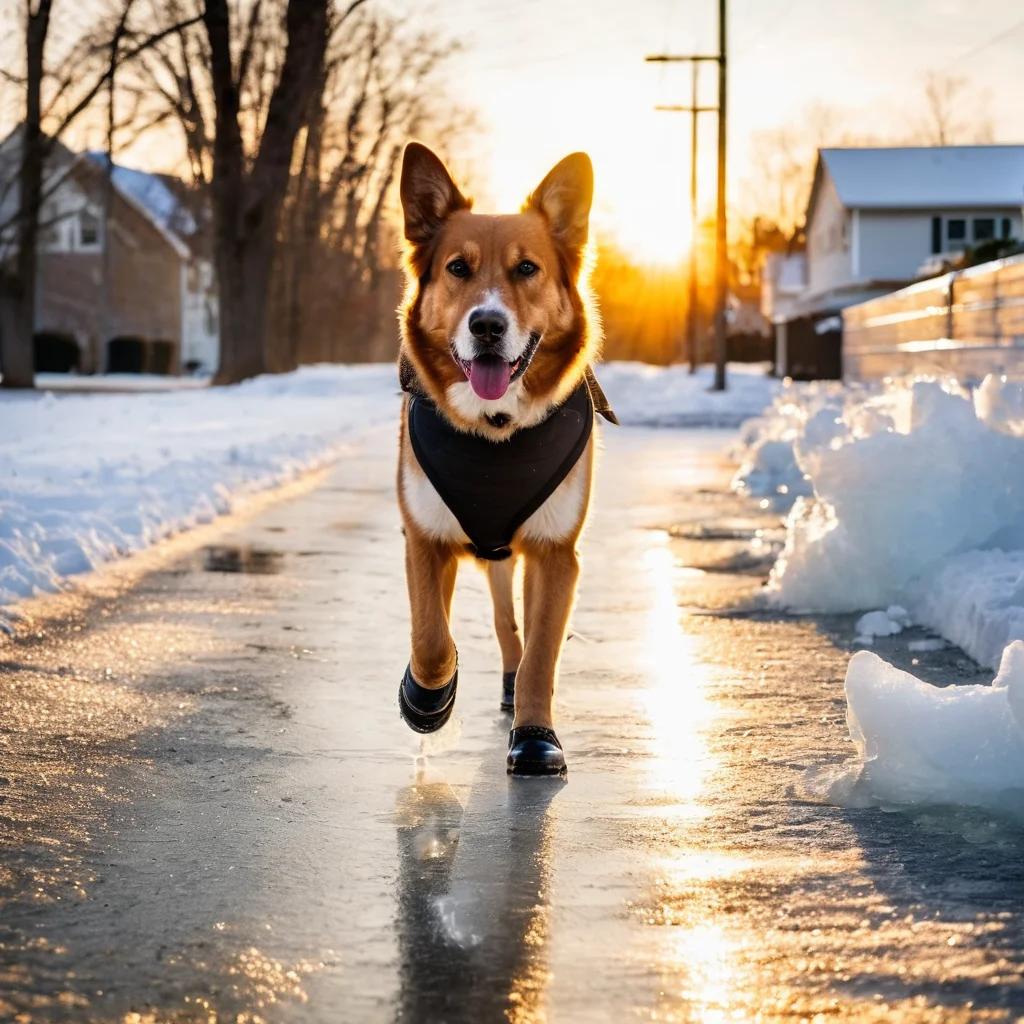

Winter walks are tough for dogs: slipping on ice, the cold and frozen paws. With the right preparation and some care, walks can be safe and fun.
Dangers of Ice
- Slipping → joint injuries (for dog and owner)
- Walking on frozen lakes (the ice can break)
- Paw pads get injured on ice
- Chemical de-icers (sodium chloride)
When to Walk
- Late morning (after 10:00)
- Afternoon (the warmest time)
- Before evening darkness
- Keep it short at night when it's very cold
Walking Route
- Grassy areas (instead of icy concrete)
- Stay away from salted roads (chemical de-icers)
- Check sidewalks for ice
- Little traffic
Accessories
- Paw boots (the most important item)
- Paw balm as an alternative
- A coat (for short-haired dogs)
- Reflectors (days are short)
- A short leash (to control slipping)
After the Walk
- Wash paws with lukewarm water (salt and chemicals)
- Clear snowballs from between the toes
- Dry thoroughly
- Check for wounds
Frostbite / Slip Injuries
- Limping (joint injury)
- Bleeding (cut paw)
- Heavy swelling (bruising)
- → Vet check
Preventing Hypothermia
- Shorten walks on cold days
- If your dog shivers → head home
- Help street dogs (a place to rest)
The Danger of De-Icing Salt
It sticks to paws → licking → sodium poisoning. Signs: excessive thirst, vomiting. Washing paws is a must.
Puppies / Seniors
- Puppies: short walks (they get cold quickly)
- Seniors: joint pain and slip risk (coat and boots are a must)
- Sick dogs: stay indoors, use the yard or an indoor potty spot
FAQ
Is walking on slippery ground safe? No. Steer toward grass or dirt paths.
How can I tell if my dog is cold? Shivering, crouching low, tail tucked, refusing to walk.
Is running in the snow OK? It's OK for a young, healthy dog, but only for short periods.
Winter pet care and emergency info are in the DoldurKabı pet health system.









