


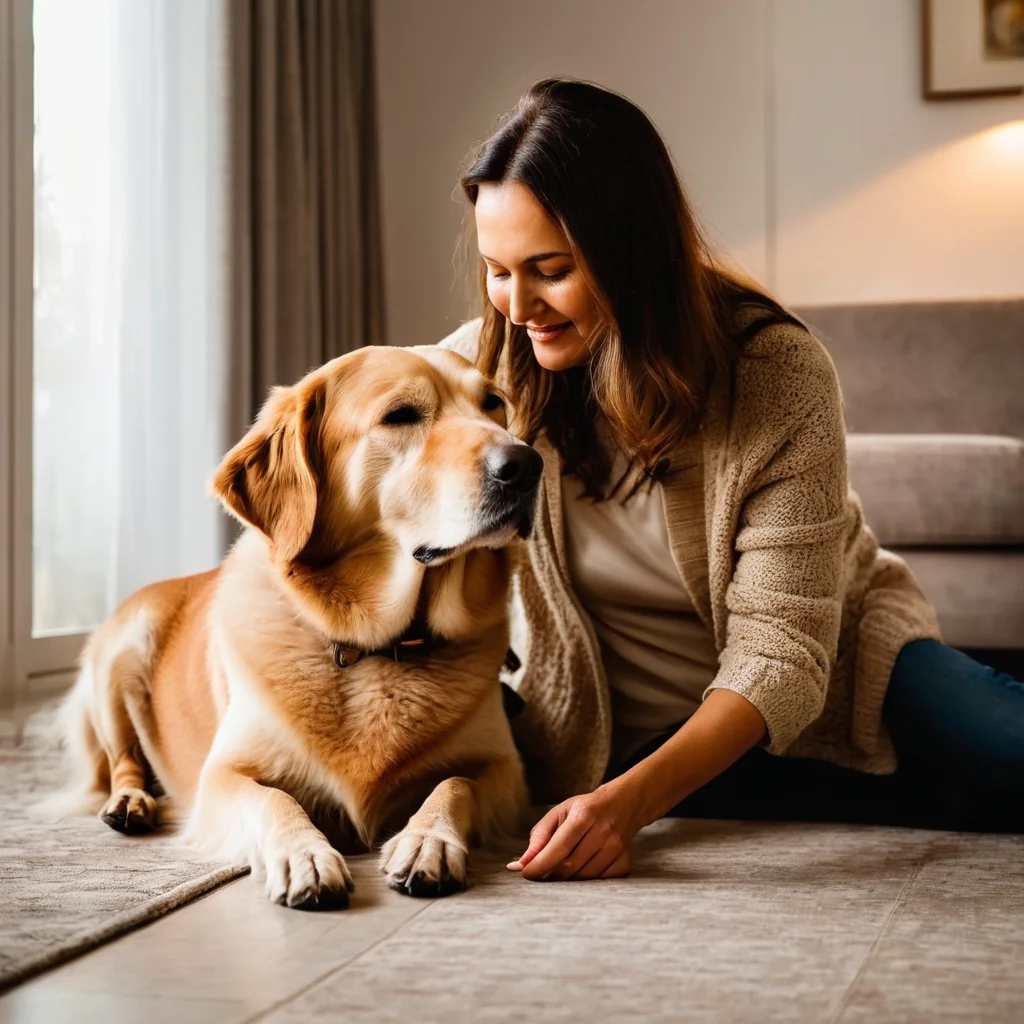

Whether a pet is born blind or loses its sight later, it adapts remarkably well. A fixed home layout, scent markers, sound cues and the right training methods help. A pet's quality of life can be kept high. A blind pet isn't "disabled"; it's adapted. In this article, we take a detailed look at caring for a blind pet.
1. Causes of Vision Loss in Pets
- Congenital: Genetic (some breeds are predisposed).
- Aging: Cataracts, glaucoma.
- Diabetes: Rapidly developing cataracts.
- Trauma: Eye injury.
- Disease: SARDS (Sudden Acquired Retinal Degeneration).
- PRA (Progressive Retinal Atrophy): Slowly progressive.
- Tumor: Brain or eye.
2. Signs
- Bumping into furniture.
- Missteps on stairs.
- Getting lost in new surroundings.
- Moving the eyes around (trying to see).
- Dilated pupils.
- A change in eye color (bluish-white cataract).
- Moving less.
- Following sounds for direction more often.
3. Vet Diagnosis
- A complete eye exam.
- Schirmer test (tear production).
- Eye pressure measurement (glaucoma).
- Fundoscopy (retina).
- ERG (Electroretinogram).
- Eye ultrasound.
- A veterinary ophthalmologist.
- In Türkiye, specialists are found in large cities.
4. The Adjustment Process
- Pets born blind adapt quickly (they have never seen).
- Losing sight later is harder (they were used to seeing).
- Pets do well in familiar surroundings.
- Get them used to new surroundings slowly.
- Noticeable difficulty in the first week.
- Acceptance of the new normal in 1-2 months.
- Family patience + love.
- The pet's other senses grow sharper.
5. Setting Up the Home
- Keep furniture fixed (don't move it around).
- Leave open space along the floor and walls for the pet.
- Soften corners (cushions).
- A stair gate / baby gate.
- Slip-proof floors.
- Water + food bowls in a fixed spot.
- Moving the bed is a NO.
- Always put things back in the same place.
6. Scent Markers
- Different scents for different rooms (essential oils, lavender, only pet-safe ones).
- A strong scent at the feeding spot.
- A scent at the potty or litter spot.
- A bed carrying the pet's own scent.
- Helps with finding the way.
- Pet-safe candles for dogs / catnip for cats.
- The owner's familiar scent.
7. Sound Cues
- The owner calling the pet by name.
- The sound of food + treats (the lid).
- A clock in a fixed spot as a direction cue.
- Making noise as you approach (footsteps, talking).
- Touching suddenly is a NO (it startles them).
- Recognizing the direction + distance of sounds.
- Steady music (for settling in).
- Toys with bells.
8. Training + Commands
- Verbal commands + a consistent tone.
- Special commands like "slow," "stop," "stairs," "door."
- Positive reinforcement + treats.
- Hand + touch signals (training for blind pets).
- First sessions in a quiet room.
- The pet learns to follow the direction of sounds.
- Patience + repetition.
- Even a senior blind pet can learn new commands.
9. Walks + Going Outside
- A secure leash (for confidence).
- The owner gives verbal direction cues.
- Prefer the same route.
- Watch out for traffic.
- Warn them when another pet approaches.
- The dog park at quiet times.
- The owner stays alert to the surroundings.
- Keep the first outings short.
10. Quality of Life
- A pet isn't defined by blindness; once it's accepted, the pet is happy.
- Family + social interaction stay normal.
- Play + activities adapted.
- Love + trust run high.
- The pet isn't "disabled"; it's adapted.
- Extra attention + patience from the owner.
- The pet's love multiplies.
- Recommended online pet community support (Blind Dog Rescue Alliance).
A blind pet comes down to the formula of familiar surroundings + scent + sound + training + a fixed home layout + family patience. Pets adapt remarkably well. Their other senses grow sharper. Quality of life stays high. The extra attention from the owner is worth it. In the DoldurKabı app, you can find special-needs pet care and veterinary ophthalmologists on the map.









