


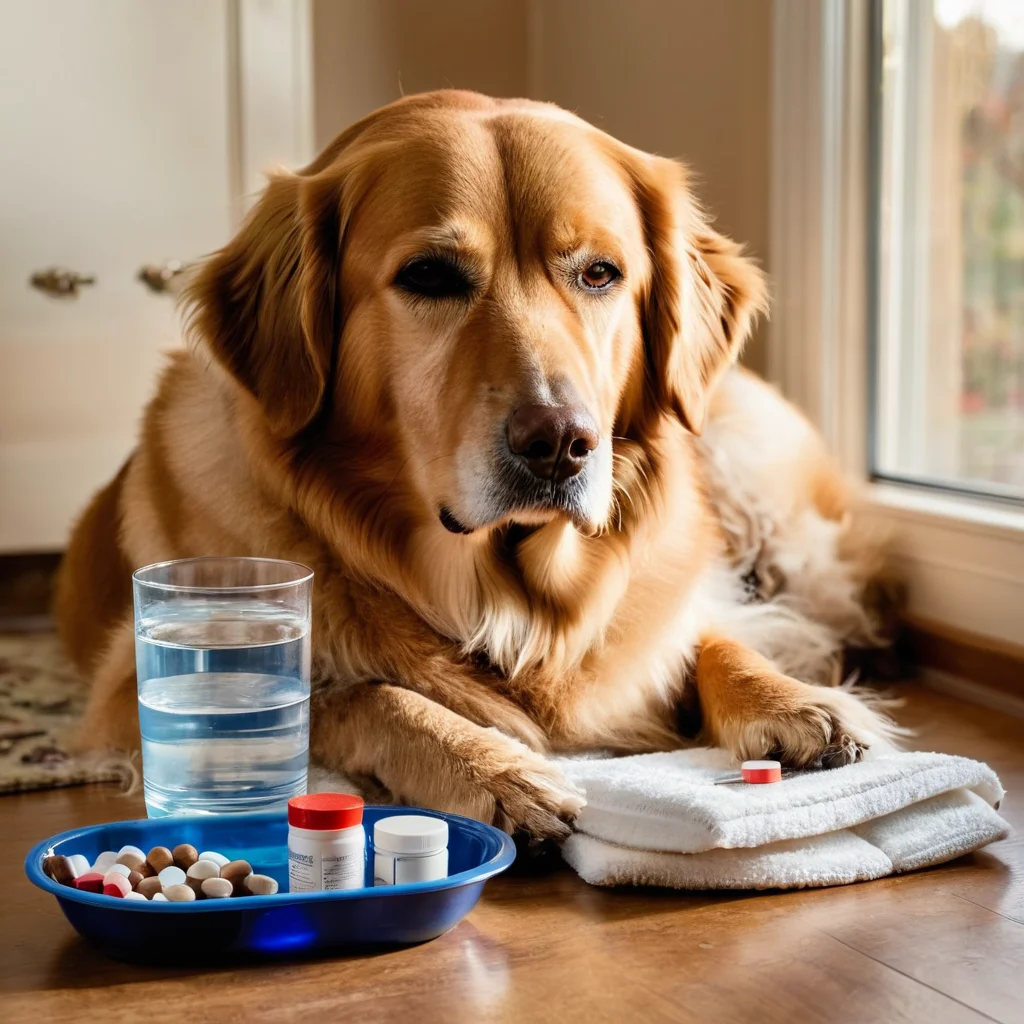

Pets with chronic kidney disease, diabetes, heart disease or cancer: a long-term life plan, a medication routine, diet adjustments, regular vet visits, quality-of-life monitoring, and family patience + love. A good quality of life is possible for a chronically ill pet. In this post, we look closely at caring for a pet with a chronic illness.
1. What Chronic Illness Means
- An illness that lasts months to years.
- There is NO cure, but it can be managed.
- The goal is to protect quality of life.
- The pet lives a long time, but the owner's role changes.
- Close follow-up by the vet team.
- Disciplined daily care from the owner.
- Long-term patience from the family.
2. Common Chronic Illnesses
- Chronic kidney failure: Common in senior cats.
- Diabetes: Dogs + cats.
- Heart disease: Advanced stage in senior pets.
- Liver disease: Various causes.
- Hypothyroidism/hyperthyroidism: Hormone imbalance.
- Arthritis + joint problems: Senior pets.
- Allergies + atopy: Chronic itching.
- IBD: Inflammatory bowel disease.
- Cancer: Long-term management.
3. Diagnosis + Plan
- A detailed vet diagnosis (blood, urine, imaging).
- Determining the stage of the disease.
- A written treatment plan.
- An annual cost estimate.
- Sharing responsibilities within the family.
- A regular follow-up schedule.
- A list of emergency signs.
- A quality-of-life goal.
4. Medication Routine
- Multiple medications (5-10 different ones in some cases).
- Regular timing is a must.
- Giving medication to your pet (in food, in a treat).
- Injections (insulin for diabetes, hands-on technique).
- Store medications correctly.
- Watch for side effects.
- Dosage changes need vet approval.
- A medication calendar app (phone reminders).
5. Adjusting the Diet
- Prescription diet food (k/d for kidneys, w/d for diabetes).
- Low protein for kidney patients (late stage).
- Low fat for pancreatitis.
- Low sodium for heart disease.
- Several small meals.
- Limited treats.
- Plenty of water.
- A plan from a veterinary nutritionist.
6. Regular Vet Checkups
- A checkup every 3 months for senior + chronically ill pets.
- Blood + urine tests.
- Tracking progress + decline.
- Adjusting treatment.
- A plan for sudden changes.
- Annual cost
- Pet insurance is helpful.
- A long-term relationship with your vet.
The price depends on the city, whether it's a clinic or hospital, after-hours care, imaging or hospitalization, and the animal's weight and age. The provincial Chamber of Veterinarians (Veteriner Hekimleri Odası) publishes an annual minimum fee schedule; the schedule is a floor, not the final bill. Ask the clinic for a written or verbal estimate.
7. Emergency Signs
- Sudden loss of appetite + weakness.
- Severe vomiting/diarrhea.
- Difficulty breathing.
- Changes in urine/stool.
- Confusion or clouded consciousness.
- Seizures.
- Swelling of the face/abdomen.
- Keep an EMERGENCY vet phone list ready.
8. Monitoring Quality of Life
- HHHHHMM score (Villalobos).
- A daily notebook (good/bad days).
- Activity level.
- Appetite + drinking.
- Social interaction.
- Pain control.
- Joining in activities your pet loves.
- Quality of life has dropped = consult your vet.
9. Family Patience + Love
- A long-term responsibility (months to years).
- Sharing roles in the family.
- Caregiving is exhausting: look for support.
- Your pet's love multiplies.
- Plan vacations + work carefully.
- A backup pet sitter (trained).
- Online support from pet communities.
- Preparing for the grieving process.
10. Preparing for the End of Life
- Hospice care in the final stage.
- Focus on comfort + pain control.
- The euthanasia decision is made by the family + vet.
- The idea of a "good day" for your pet.
- A loving final gift.
- The stage where treatment is NOT ENOUGH.
- A drop in quality of life = time to decide.
- Family grieving process + support.
A pet with a chronic illness follows a formula: diagnosis + medication routine + diet adjustments + regular vet visits + quality of life + family patience. There is NO cure, but it can be managed. A long, good-quality life for your pet. Discipline + love from the owner. The vet team is your partner. In the DoldurKabı app, you can find a list of specialist vets and treatment centers, with a map.









