


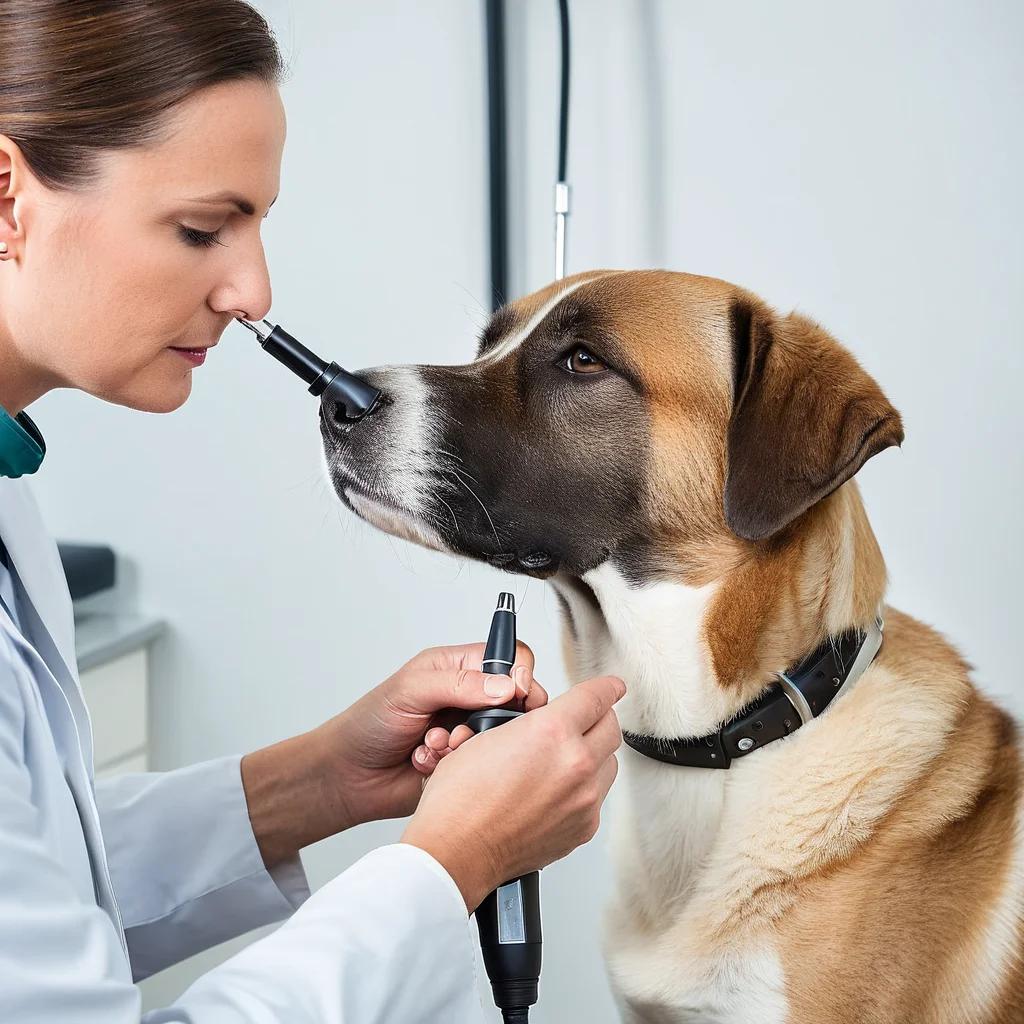

Your dog keeps shaking its head, rubbing its ear, and there is a bad smell coming from inside the ear. These are signs of Otitis Externa (an infection of the outer ear canal). Ear infections make up about 15-20% of the reasons dogs visit the vet each year. They are less common in cats, but they do happen. Cases caught early heal in 1-2 weeks; neglected chronic cases can lead to permanent ear damage.
This post covers the causes of otitis, its symptoms, the right diagnosis and treatment process, and prevention. Diagnosis and treatment are the responsibility of a vet.
1. What Is Otitis? The 3 Types
- Otitis Externa: The outer ear canal (the ear opening and the outer side of the eardrum). The most common type.
- Otitis Media: The middle ear (behind the eardrum). More serious.
- Otitis Interna: The inner ear. Balance problems, head tilt. An emergency.
This post mostly focuses on externa; the more advanced types call for veterinary expertise.
2. Dogs at Risk
- Floppy-eared breeds: Cocker Spaniel, Basset Hound, Beagle, Golden Retriever, Labrador. Little air circulation means moisture builds up.
- Swimming habits: Water stays in the ear.
- Allergy tendency: Dogs with atopic dermatitis and food allergies.
- Frequent baths and water getting into the ear: The result of the wrong technique.
- Narrow ear canal: Shar Pei, Chow Chow.
- Lack of regular cleaning.
3. Causes of Otitis
- Bacteria: Staphylococcus, Pseudomonas (in chronic cases).
- Yeast (Malassezia): A sweet, foul-smelling discharge.
- Ear mites (Otodectes): Especially in kittens.
- Foreign object: Grass seed, a small thorn.
- Allergies (food / environmental).
- Autoimmune diseases.
- Hormonal: Hypothyroidism.
- Tumor (in older animals).
Important: otitis usually depends on an underlying trigger rather than "a single cause." Covering it up temporarily with antibiotics alone means it comes back.
4. Symptoms
- Constant head shaking.
- Scratching the ear with a paw.
- Rubbing the ear on furniture.
- Dark, wax-like or pus-like discharge from the ear.
- A bad smell inside the ear.
- Redness and swelling around the ear.
- Preferring not to be touched (pain).
- Head tilt (suspected middle/inner ear involvement).
- Loss of balance (inner ear).
- Behavior changes: restlessness, aggression.
5. The Diagnostic Process
- Otoscopic exam: Looking inside the ear to spot a foreign object or discharge.
- Cytology (ear discharge under the microscope): Identifies the type of bacteria, yeast and mites.
- Bacterial culture and antibiogram: Shows which antibiotic works in a chronic case.
- Allergy tests (in recurring cases).
- Advanced imaging (CT/MRI): When otitis media/interna is suspected.
6. Treatment
- Ear cleaning: Done by the vet, or by the owner at home after being shown how.
- Topical antibiotic drops: Prescribed by the vet; 1-2 weeks.
- Antifungal drops: For yeast infections.
- Antiparasitic drops: If there are mites.
- Anti-inflammatory (steroid): For swelling and pain.
- Systemic antibiotics: Given by mouth in serious cases.
- Treating the underlying cause: Allergy management, hypothyroidism treatment.
- Surgery: In chronic, resistant cases, total ear canal ablation (TECA) is the last option.
7. Ear Cleaning Technique
- Use a vet-recommended ear cleaning solution (not water or alcohol).
- Put a few drops into the ear.
- Massage the base of the ear for 30 seconds so the liquid spreads.
- Let the animal shake its head so loose debris comes out.
- Wipe the outer part with a piece of cotton or gauze, NOT a cotton swab.
- Not too often: daily cleaning by the owner is excessive; once a week is enough (monthly for healthy ears).
The wrong technique: pushing a cotton swab inside (risk of injuring the eardrum and the canal).
8. Prevention
- Check floppy-eared dogs once a week.
- After swimming or a bath, keep an eye on the ear until it dries.
- Keep water out of the ear during baths by placing cotton in it.
- Allergy management: If allergies are the underlying cause of chronic otitis, diet and medication.
- Coat care: If there is too much hair inside the ear, see a vet or groomer.
- An ear check at the yearly vet exam.
9. Frequently Asked Questions
My dog scratches its ear a lot. Should I try a home remedy?
No. The wrong medication can make things worse. Get a vet exam, a diagnosis of the type and the right treatment. Avoid "home remedies" such as olive oil.
Can ear mites spread to people?
Ear mites (Otodectes) do not spread to people; they pass only between pets. In a home with several pets, the other pets that have been in contact should be checked too.
Can I use the same medication again?
No. Opened antibiotic drops lose effectiveness over time, and different cases need different antibiotics. Each case needs a new prescription.
My dog went swimming. Do I need to rinse its ears?
For floppy-eared dogs that swim, yes: drying the outer ear and using a cleaning solution is recommended. For dogs with upright ears, it isn't necessary after every swim.
Can chronic otitis be cured?
If the underlying cause (allergy, hypothyroidism) can be managed, a lasting solution is possible. In severe cases, TECA surgery is curative but causes hearing loss.
Is otitis rare in cats?
It is less common than in dogs, but it happens. The most common cause in cats is mites, especially in kittens. Treatment is similar to dogs, but some medications are not used in cats; always get a cat-safe prescription.
Is treatment different for young and adult animals?
Young animals get lower doses, and some medications are contraindicated. The adult protocol is not applied to a young animal one to one.
Final Word
An ear infection is not a minor annoyance: in recurring cases it causes permanent damage and behavior problems. Early detection, the right diagnosis and treating the underlying cause lead to a cure.
For your ear cleaning schedule, medication times and vet checkup dates, use DoldurKabı Pet Health Tracking.
This guide is for information only; if you suspect otitis, always see your vet first.









