


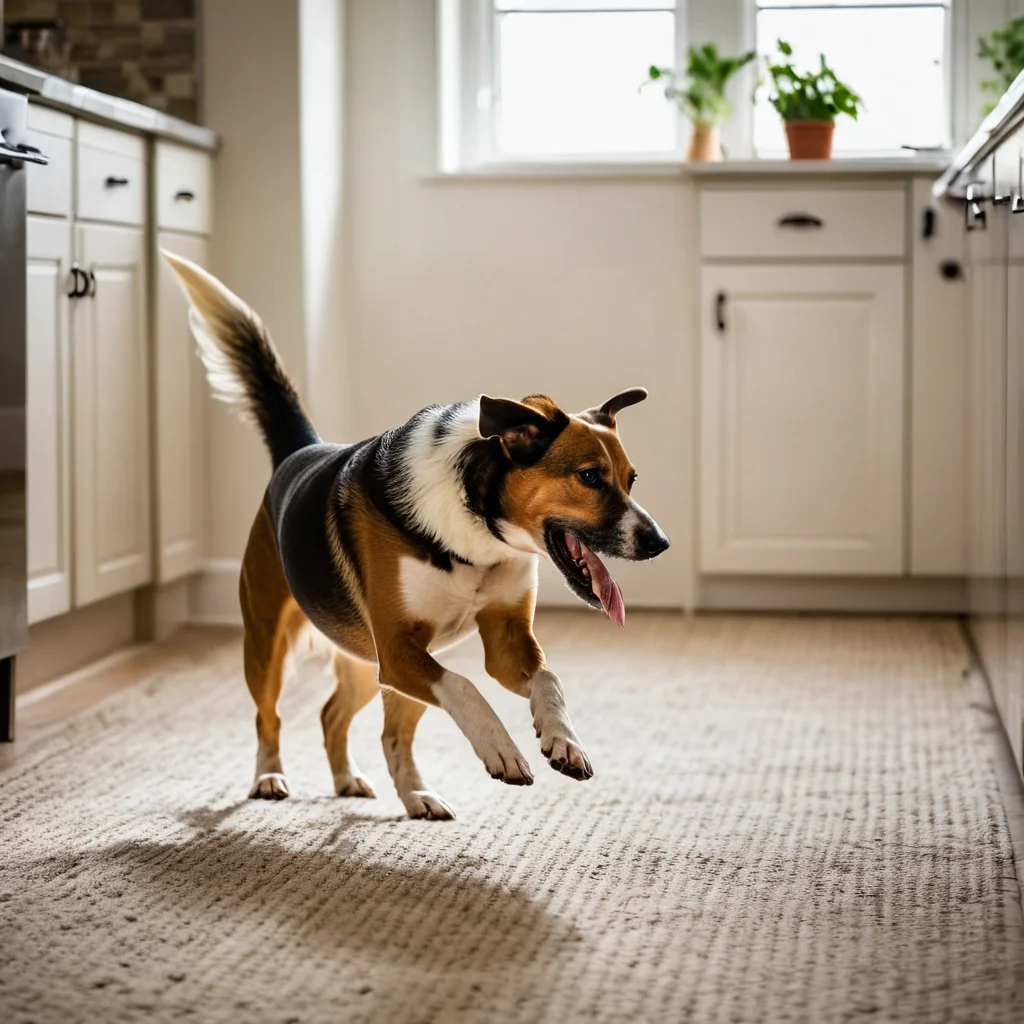

Tail chasing, or spinning, is when a dog keeps chasing their own tail and turning in circles. In a puppy, doing it once or twice is normal fun, but constant repetition in an adult dog is a sign of OCD. Bull Terriers and German Shepherds are especially prone. Without treatment it gets worse and causes tail injuries, muscle wasting and a quality of life close to zero. In this article, we take a detailed look at the causes and the treatment protocol.
1. Normal vs Pathological Behavior
Normal (1-2 times a day):
- Puppy play behavior.
- Getting the owner's attention.
- A moment of excitement.
- Short-lived and easy to interrupt.
Pathological OCD (constant):
- Lasts for hours.
- Gets in the way of eating, sleeping and normal activity.
- Hard to interrupt.
- Tail and foot injuries.
- Quality of life drops.
2. Breeds at Risk
- Bull Terrier: Genetically the most prone; 85% have cases in the family.
- Staffordshire Bull Terrier.
- German Shepherd.
- Doberman.
- Anatolian/Akbaş (rare).
- Mixed breeds are usually less affected.
3. Causes
- Genetic: Autosomal predisposition (especially in Bull Terriers).
- Anal gland problems: Itching and pain at the base of the tail.
- Skin allergies: An itchy tail.
- Neurological: Seizure-like activity, focal epilepsy.
- Psychological: Stress, boredom, anxiety.
- Attention reinforcement: The owner's attention keeps the behavior going.
- Early weaning: In some cases.
4. The Diagnosis Process
- Ruling things out at the vet:
- Anal gland exam and expression.
- Skin scraping (parasites, fungus).
- Allergy testing.
- Neurological exam.
- EEG (complex cases).
- Behavioral vet: OCD diagnosis and treatment plan.
- Video recording: Analyzing frequency and triggers.
5. Medical Treatment (Based on the Cause)
- Anal gland problems: Expression, antibiotics and diet.
- Skin allergies: Apoquel/Cytopoint, antihistamines.
- Parasites: Medication.
- Seizures (focal epilepsy): Anticonvulsants (phenobarbital).
- Pure OCD: SSRIs (fluoxetine).
6. Behavioral Intervention
- Distraction: When the behavior starts, offer an alternative activity (play, a training session).
- Redirection: Kong, puzzle feeder.
- Limit the owner's reaction: Yelling or laughing = reinforcement.
- More exercise: A tired dog shows less of the behavior.
- Mental stimulation: Training, sniffing games.
7. SSRI Treatment Protocol
- Fluoxetine 1-2 mg/kg/day.
- Takes effect in 6-12 weeks.
- With a good response, the behavior drops by 50-70%.
- May continue for life.
- Yearly vet visit and liver/kidney checks.
8. Preventing Injuries
- Acute tail injury: Vet, bandage and antibiotics.
- E-collar: Until the wound heals.
- Tail protection sleeve: A soft fabric cover.
- Soften the surroundings: Pad hard furniture corners.
- In severe cases, tail amputation is a last resort and ethically debated.
9. Common Mistakes
- ❌ Laughing and filming because it's "cute" → reinforcement.
- ❌ Yelling "stop" → anxiety increases.
- ❌ Behavioral treatment alone is not enough in severe cases.
- ❌ Medication alone: behavioral intervention is also needed.
- ❌ Waiting for it to "pass" → it gets worse.
10. Prognosis
- Early intervention and multimodal treatment: 60-70% improvement.
- Genetic (Bull Terrier): lifelong management.
- If the cause is medical (anal glands), full recovery.
- Severe OCD: long-term medication.
- Treatment lasts from 6 months to years.
Tail chasing is a serious, often misunderstood behavior problem. The formula of ruling out medical causes at the vet + behavioral treatment + SSRIs (if needed) + enrichment leads to improvement in most cases. Owners of at-risk breeds should watch for early signs. In the DoldurKabı app, you can find vet clinics with behavioral experience on a map.









