


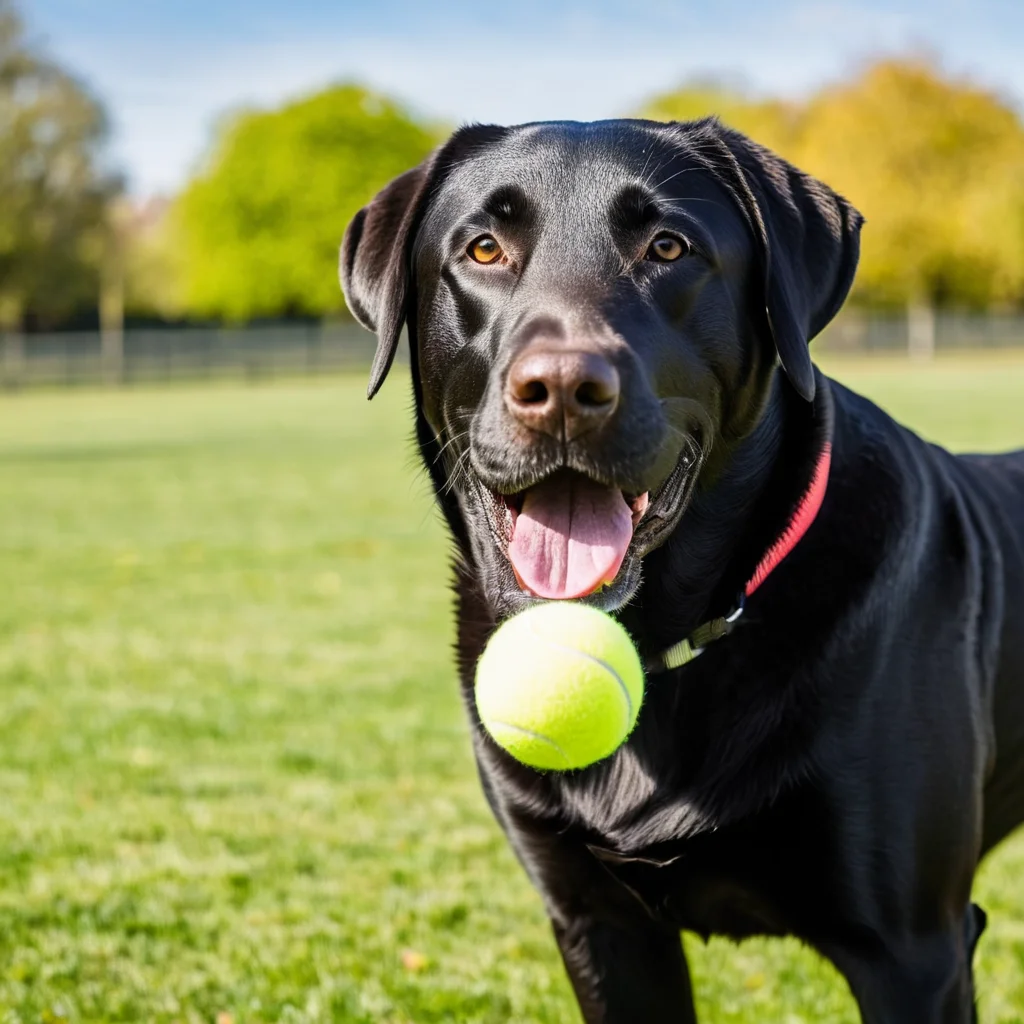

The Labrador Retriever has been the world's most common dog breed for 30+ years. In Türkiye, too, it is a very popular choice as a family, working and sports dog. With its black, yellow and chocolate color varieties, gentle character and natural talent for sports, it offers everything you could want in a dog. But it also carries the title of "the breed most prone to obesity," along with breed-specific risks like hip/elbow dysplasia and heart disease. The right care routine prevents these problems to a large extent. In this article, we take a detailed look at the Labrador's character traits, feeding protocol, health problems, training and what to consider before adopting.
1. The Labrador's Character
- Very social: Gets along wonderfully with people, other animals and kids.
- High energy (young and middle-aged): Without enough exercise, "destructive chewing" sets in.
- Smart and eager to learn: Easy to train (used as guide dogs for the visually impaired and trained as police dogs).
- Very high food motivation: An advantage in training, a danger in feeding.
- A love of water: A natural retriever that loves swimming and diving.
- Mouthing: As puppies, they put everything in their mouths.
2. Physical Traits
- Weight: Males 29-36 kg, females 25-32 kg.
- Height (at the shoulder): Males 57-62 cm, females 55-60 cm.
- Coat: A short, straight, water-resistant double coat.
- Color: Black, yellow, chocolate. The AKC and FCI recognize only these 3 colors.
- Lifespan: 10-12 years on average.
3. Feeding Protocol (Managing Obesity)
Labradors carry a POMC gene mutation, so they feel less full and are always hungry. Obesity is a breed-specific problem:
- Puppy (0-12 months): Puppy food, 3 meals a day. Large-breed puppy foods have a balanced calcium/phosphorus ratio.
- Adult (1-7 years): Adult food, 2 meals. 400-500 g a day for a 30 kg dog.
- Senior (7+ years): Low-calorie senior food with added glucosamine.
- Measuring portions is a MUST: "Eyeballing" food is dangerous, so always use a scale.
- Treats should be 5-10% of daily calories; more leads to obesity.
- Don't give in to "begging": Labradors are always hungry. The owner's discipline is critical.
4. Coat Care
- Weekly brushing: 2-3 times, with an undercoat rake.
- When the seasons change (March and September): Daily brushing for heavy shedding.
- Bathing: Every 6-8 weeks or when dirty.
- Ear cleaning: Floppy ears stay damp, so once a week.
- Nail trimming: Every 2-3 weeks.
5. Breed-Specific Health Problems
- Hip dysplasia: Common. Parents should have PennHIP/OFA tests.
- Elbow dysplasia: Affects the front leg joint.
- Obesity: Preventable but dangerous, affecting blood sugar (diabetes), joints and the heart.
- Exercise-induced collapse (EIC): Genetic testing of the parents.
- PRA (eyes): Progressive blindness.
- Otitis externa: Ear inflammation linked to swimming.
- Bloat (GDV): A large-breed risk; prevent fast eating (slow feeder).
- Cancer: Lymphoma and mast cell tumors at moderate frequency.
- Hypothyroidism: Moderate frequency.
6. Exercise Needs
- 1.5-2 hours a day: Walking, running and play. Young Labs have high energy.
- Fetch: A natural instinct and a favorite game.
- Swimming: 1-2 times a week if possible; easy on the joints.
- Mental exercise: 30 minutes of sniffing games and puzzle feeders.
- Not enough exercise = destructive chewing.
7. Training Tips
- Basic commands from puppyhood: start at 8 weeks.
- Positive reinforcement and consistency.
- Food motivation is a training advantage.
- The "leave it" command is critical, because Labs swallow everything.
- Teach loose-leash walking early.
- "Calm" and "down" commands help channel their exuberant nature into clear communication.
8. Socialization
- The socialization window is 3-14 weeks.
- Introduce different people, places, sounds and animals.
- Teach gentle interaction with kids.
- An adult Lab is not "wary of strangers"; they are everyone's friend.
9. Think Before Adopting
- Monthly costs: 2,000-3,500 Turkish lira.
- Apartment size: At least 2+1 (two bedrooms and a living room), 3+1 ideal.
- Exercise space: Parks and walks, 1.5-2 hours a day.
- Family setup: An active family, good with kids.
- Financial readiness: A fund for health problems (3,000-8,000 Turkish lira a year in unexpected costs).
- Insurance: Recommended.
- Adopt from an ethical breeder or a shelter: Parents with genetic testing.
10. Lifespan and Costs
- Lifespan: 10-12 years.
- Total lifetime cost: 350,000-600,000 Turkish lira.
- Pet insurance: 3,000-6,000 Turkish lira a year.
With the right care, a Labrador Retriever brings a family 12 years full of love and joy. The four essentials of weight control, regular exercise, early training and orthopedic screening help this lovely breed live a long, healthy life. In the DoldurKabı app, you can find Labrador adoption listings and vet clinics on a map.









