


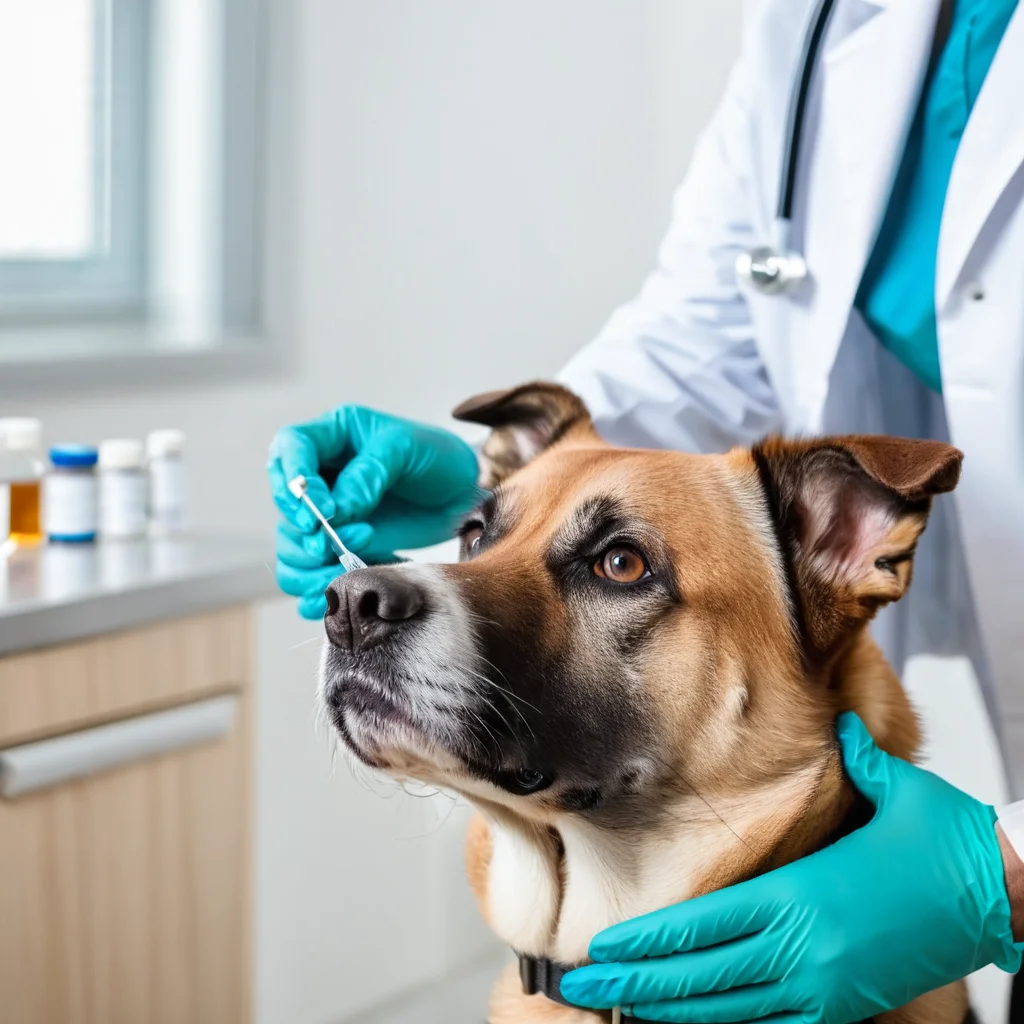

Leptospirosis is a zoonotic bacterial disease spread through the urine of rodents (rats, mice). It can pass to dogs, people, and other animals, which makes it a public health issue. In Türkiye, infection from puddles and standing water is common, and the risk is especially high in rainy regions (the Black Sea and Marmara). In dogs, it's a potentially fatal disease that can cause kidney and liver failure. Vaccination protects against it to a large extent. In this post, we look at leptospirosis in full detail.
1. What Is Leptospirosis?
- Leptospira spp. are spiral-shaped bacteria.
- There are 200+ serovars (subtypes), and 8-10 are common in dogs.
- Common serovars in Türkiye: Canicola, Icterohaemorrhagiae, Grippotyphosa, Pomona.
- The bacteria can survive in water and damp soil for weeks to months.
- Warm, humid climates are an ideal environment.
2. How It Spreads
- Contaminated water: Puddles, lakes, streams, and rivers mixed with rodent urine.
- Contaminated soil: Mud after the rainy season.
- Direct contact: Urine from an infected animal.
- Wounds and mucous membranes: Skin injuries plus the mouth and eyes.
- Risk to people: Through the dog, or directly through rodent urine.
3. High-Risk Scenarios
- Dogs that roam in villages and the countryside.
- Drinking from puddles.
- Swimming in lakes and rivers.
- Hunting dogs.
- The rainy season (March-May, September-November).
- Areas with dense rodent populations (warehouses, farms).
4. How Symptoms Progress
- First phase (4-12 day incubation): No symptoms.
- Fever phase: High fever of 39.5-41°C, lethargy, loss of appetite.
- Kidney involvement: Excessive drinking and urinating → acute kidney failure. Urine is dark or reduced.
- Liver involvement: Jaundice (yellow sclera and gums), abdominal pain.
- Lung involvement: Difficulty breathing, pulmonary hemorrhage (LPHS).
- Clotting disorder: Bleeding from the nose or eyes.
- Shock and death in fast-moving cases.
5. Diagnosis
- MAT (Microscopic Agglutination Test): The classic gold standard; identifies the serovar.
- PCR: Blood or urine, for early diagnosis.
- Snap Lepto test: A rapid in-clinic test.
- Blood chemistry: elevated BUN, creatinine, ALT, ALP.
- Urinalysis.
- Complete blood count.
6. Treatment
- Doxycycline (oral): The first-choice antibiotic, for 2-4 weeks.
- Penicillin G (IV) in severe cases.
- IV fluid therapy (for the kidneys and dehydration).
- Anti-nausea medication.
- Liver support (SAMe).
- Dialysis (for acute kidney failure).
- Plasma and blood transfusion (for bleeding disorders).
With early intervention and good supportive care, the survival rate is 50-80%. Late intervention can be fatal.
7. Vaccine Protection
The leptospirosis vaccine is a core dog vaccine:
- Bivalent (Canicola and Icterohaemorrhagiae): the older version.
- Quadrivalent (4 serovars): modern and broader.
- 12 weeks: first dose.
- 16 weeks: second dose.
- Booster at 1 year.
- Yearly booster (not every 3 years, since it's bacterial and the immunity is weaker).
- The vaccine is 95% protective, but not complete.
8. Prevention
- Keep your dog away from puddles.
- No drinking from lakes or streams.
- Rodent control and disinfecting the surroundings.
- Staying on schedule with vaccines.
- Cleaning paws and fur when you get home after the rainy season.
- Life on a farm calls for special precautions.
9. Human Health (Zoonotic Risk)
Leptospirosis is a public health issue for people:
- An infected dog's urine can pass the disease to people.
- Symptoms: high fever, muscle pain, jaundice, kidney failure.
- Severe "Weil's disease" can be fatal.
- Gloves and handwashing are a MUST when caring for an infected dog.
- Children and people with weakened immune systems should stay away.
10. Geographic Risk (Türkiye)
- High risk: The Black Sea and Marmara regions (rainy and humid).
- Medium risk: The Aegean and Mediterranean regions (after summer).
- Low risk: Central Anatolia (dry continental climate).
- Cities vs. rural areas: rodents are scarcer in cities.
- Efforts to protect the health of street dogs contribute to public health.
Leptospirosis is a serious zoonotic bacterial disease, but vaccination prevents it 95% of the time. Yearly boosters, keeping your dog away from puddles, and consistent care for the health of stray animals all matter. When caring for an infected dog, public health precautions for people (gloves, handwashing) are a MUST. In the DoldurKabı app, you can find vet clinics experienced with lepto on a map.









