


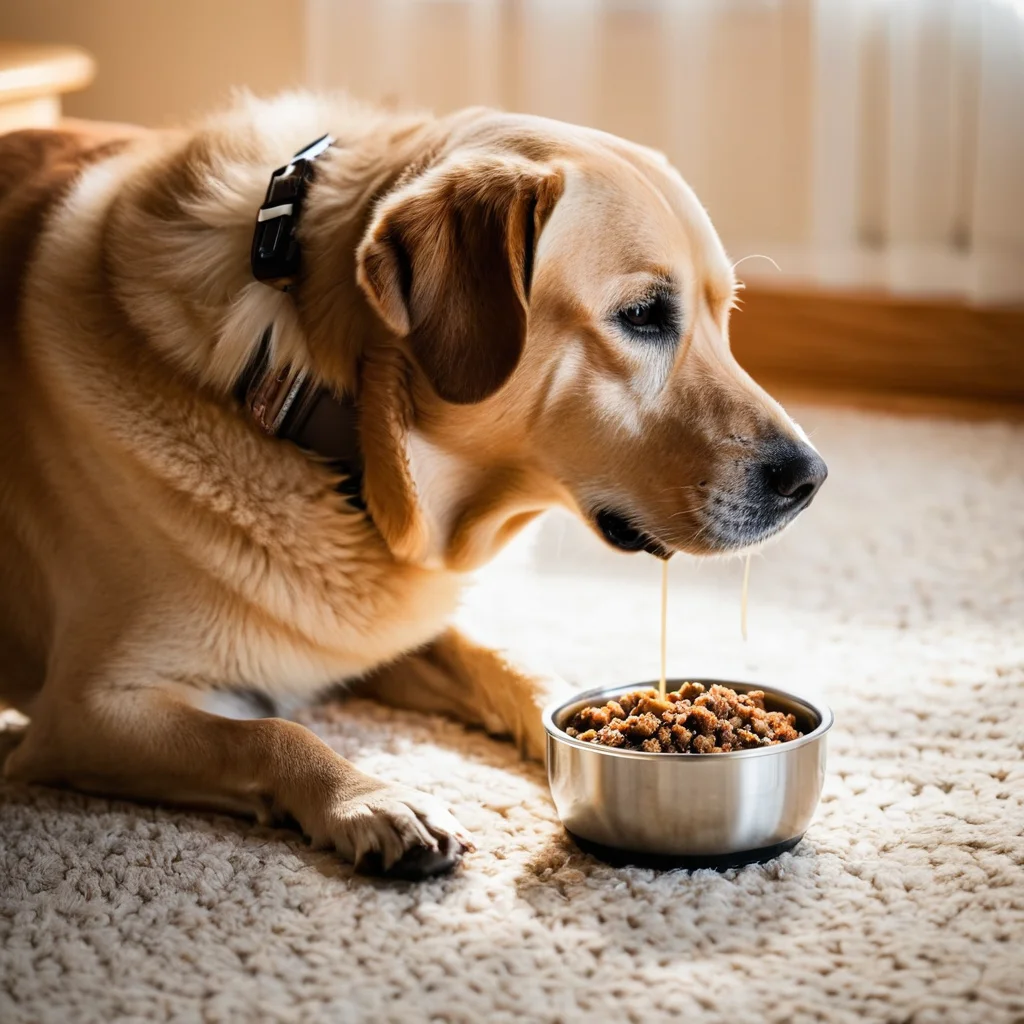

A low-protein diet is vital in chronic kidney failure, liver disease and some urinary problems. High protein increases the load on the kidneys + liver and causes BUN + ammonia to build up. Renal food brands (Royal Canin Renal, Hill's k/d, Purina NF) are made for exactly this. In this article, we look at the details of a low-protein diet, how to put it into practice and homemade alternatives.
1. The Logic Behind a Low-Protein Diet
- Protein metabolism produces urea → excreted by the kidneys.
- Failing kidneys → urea builds up → high BUN → uremia.
- Low protein = lower urea load = protection for the kidneys.
- High-quality protein is needed: the point is less low-quality protein, not just a smaller amount.
- In liver disease, ammonia builds up → low protein.
2. Which Conditions Is It Used For?
- Chronic kidney disease (CKD): Stages 2-4.
- Liver disease: Elevated liver enzymes, hepatic encephalopathy.
- Portosystemic shunt: Puppies.
- Some heart conditions: Hypoalbuminemia.
- Urinary stones (struvite, calcium oxalate): Some cases.
3. Protein Percentages
- Regular adult dog food: 22-30% protein.
- Adult cat food: 30-40% protein (high protein is essential).
- Renal dog food: 14-18% protein.
- Renal cat food: 28-32% protein (protein can't be cut fully in cats).
- Liver diet food: 14-18% protein.
4. Renal Food Brands for Dogs
- Royal Canin Renal: Dog + cat versions. Very popular.
- Hill's k/d Kidney Care: The classic standard.
- Purina NF (Kidney Function): More affordable.
- Eukanuba Veterinary Diet Renal.
- Price: 500-800 Turkish lira/kg.
5. Renal Food Brands for Cats
- Royal Canin Renal feline: Wet + dry.
- Hill's k/d feline.
- Purina NF feline.
- Water intake is critical in cats, so wet food is preferred.
6. Liver Diet Food
- Royal Canin Hepatic: A liver-specific formula.
- Hill's l/d Liver Care.
- High carbohydrate + low copper + L-carnitine.
- For predisposed breeds (Bedlington, Doberman).
7. What's in a Renal Diet
- Low protein (high quality): Egg white, salmon, lamb.
- Low phosphorus: Reduces kidney damage.
- High omega-3: Anti-inflammatory, protects the kidneys.
- B vitamin support.
- Extra antioxidants (E, C).
- Flavor enhancers: Sick animals have poor appetites, so the formula is made palatable.
8. Transition Plan
Old food → renal food:
- The pace depends on the stage of the disease (faster in an emergency).
- Puppies/young dogs: a 14-day transition.
- Senior/sick dogs: 7-10 days.
- If your pet doesn't like the food: mix in lukewarm water + a little wet food to boost flavor.
- Warm it to 35°C (more aromatic).
9. Homemade Renal Diet
Homemade, under the supervision of a veterinary nutritionist:
- Egg white (high quality + low phosphorus).
- Rice (carbohydrate).
- Pumpkin (fiber + B vitamins).
- A little chicken breast (boiled).
- Omega-3 supplement.
- Phosphate binder (aluminum hydroxide).
- Multivitamin/mineral.
- BalanceIT or a custom recipe.
- Not practical: commercial renal food is easier.
10. Monitoring + Quality of Life
- Regular vet checks (every 3 months):
- BUN + creatinine + SDMA.
- Phosphorus + calcium.
- Urinalysis.
- Weigh-in.
- In advanced stages, renal food + fluid therapy (sub-Q) extends life by 1-3 years.
- With good treatment, quality of life is reasonable.
- Monthly cost: 800-1,500 Turkish lira (food + medication).
A low-protein diet is the foundation of treatment in kidney + liver disease. With the right renal or liver food + regular monitoring, years of good quality life are possible. Prescription diets should always be used with a vet's prescription + approval; don't start one on your own. In the DoldurKabı app, you can find vet clinics experienced in nephrology + nutrition on the map.









