


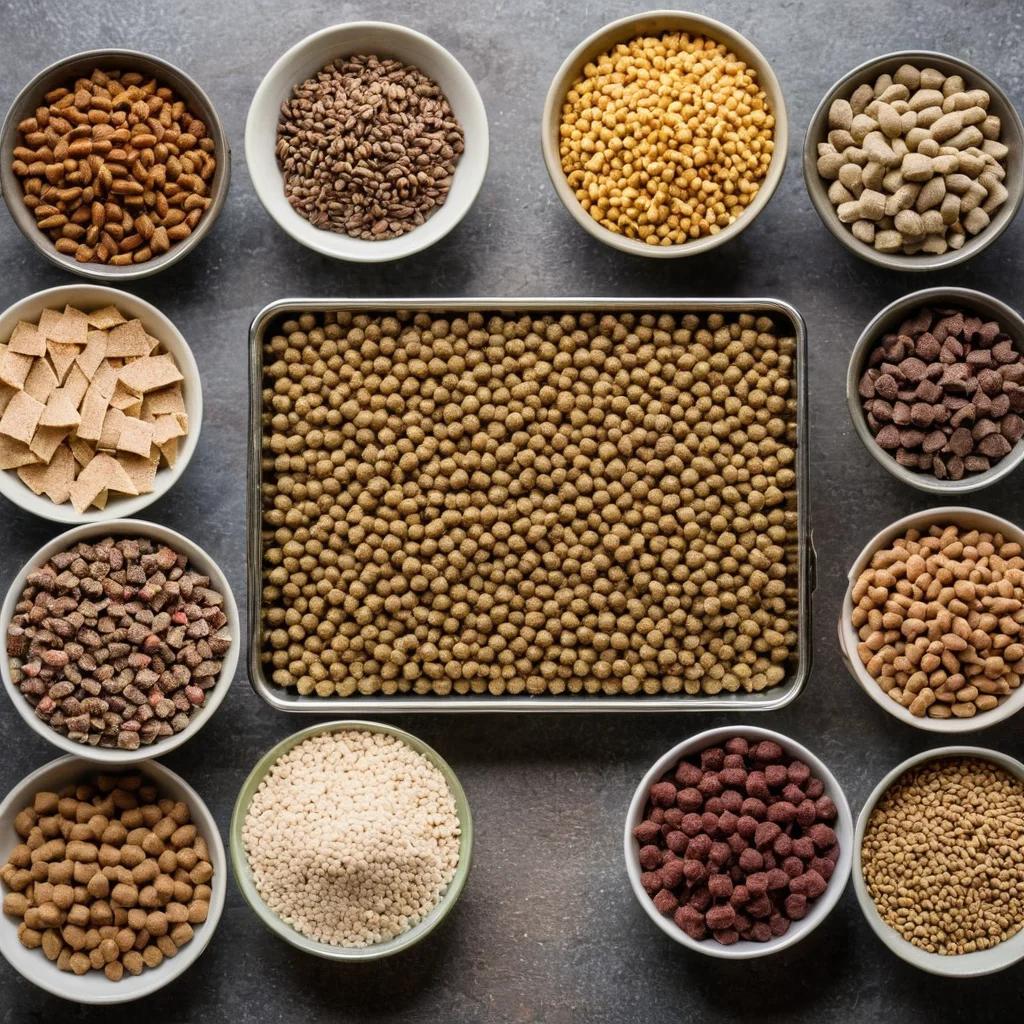

Food rotation is the approach of cycling through different proteins, brands and formulas instead of feeding the same food for years. Benefits: lower allergy risk, digestive variety, flavor and a more varied nutrient profile. Risks: a poorly done switch can cause diarrhea, and sensitive stomachs may react badly. In this article we look at food rotation in detail, along with how to do it right.
1. What Is Food Rotation?
- Periodic changes instead of one food for years.
- Rotating every 2 weeks to 3 months.
- A different protein from the same brand, or a different brand.
- A natural practice in BARF/raw feeding, since wild ancestors already ate a variety.
2. Benefits (Science and Anecdote)
- Lower allergy risk: The same protein for 5 years can lead to an allergy. Variety means lower risk.
- Digestive variety: The gut flora becomes more diverse with different foods.
- A richer nutrient profile: Different foods have different vitamin and mineral ratios.
- Enjoying flavor: Your pet doesn't get bored.
- No brand dependence: If a brand has a stock problem, switching is easy.
3. Risks
- Diarrhea: With a sudden change, the stomach can't adapt.
- Sensitive stomach: Some dogs and cats don't tolerate rotation.
- Picky eating: Changing too often may lead your pet to refuse food.
- Cost: Constantly trying new foods is expensive.
- Disrupting a medical diet: No rotation with renal or allergy diets.
4. Pets Well Suited to Rotation
- Healthy adults (6 months to 7 years).
- No history of stomach sensitivity.
- No suspected allergies.
- No medical conditions (healthy kidneys and liver).
5. Pets That Shouldn't Rotate
- Puppies and kittens (growth should stay steady).
- Seniors with medical conditions.
- Renal, liver or diabetic diets.
- Known allergies.
- Sensitive stomach / IBD.
- Pets that had problems with past food changes.
6. Types of Rotation
Protein rotation (most common):
- Same brand, different protein (chicken, lamb, fish, venison).
- Example: Acana Adult Lamb → Acana Pacific Fish → Acana Free-Run Poultry.
- An easy switch, since the base formula is the same.
Brand rotation:
- Different brand, similar protein.
- Example: Royal Canin → Acana → Orijen.
- A longer switch (10-14 days).
Texture rotation:
- Dry → wet → freeze-dried.
- Adds flavor and increases water intake.
7. The Right Rotation Protocol
Start slow:
- First rotation: a 14-day switch.
- Days 1-3: 75% old + 25% new.
- Days 4-7: 50%/50%.
- Days 8-11: 25% old + 75% new.
- Day 12+: 100% new.
- Diarrhea or vomiting → slow down, go back a step.
If your pet tolerates it well:
- Later rotations can switch over 7-10 days.
- Some dogs have no problems even with a 3-4 day switch.
8. How Often to Rotate
- Conservative: A new food every 3-6 months.
- Moderate: A change every 1-2 months.
- Aggressive: Weekly changes, only for raw/BARF or pets that tolerate it very well.
- Start slow and adjust based on how your pet reacts.
9. What to Watch for When Rotating
- Food for the same life stage (puppy/adult/senior).
- Similar calorie density.
- An AAFCO complete and balanced label.
- Close fat and protein percentages (no drastic jumps).
- Watch the stomach's reaction during the first rotation.
10. Daily Tracking During Rotation
- Check weight weekly.
- Stool consistency and frequency.
- Coat shine and skin.
- Energy level.
- Appetite.
- Behavior.
- A vet checkup every 3 months.
Food rotation is a nutrient variety and allergy prevention strategy for healthy adult pets. A slow switch, watching your pet's reaction and not using it with medical diets are critical. For sensitive stomachs, puppies and kittens, seniors and pets with medical conditions, a steady food is safer. In the DoldurKabı app, you can find vet clinics experienced in nutrition on the map.









