


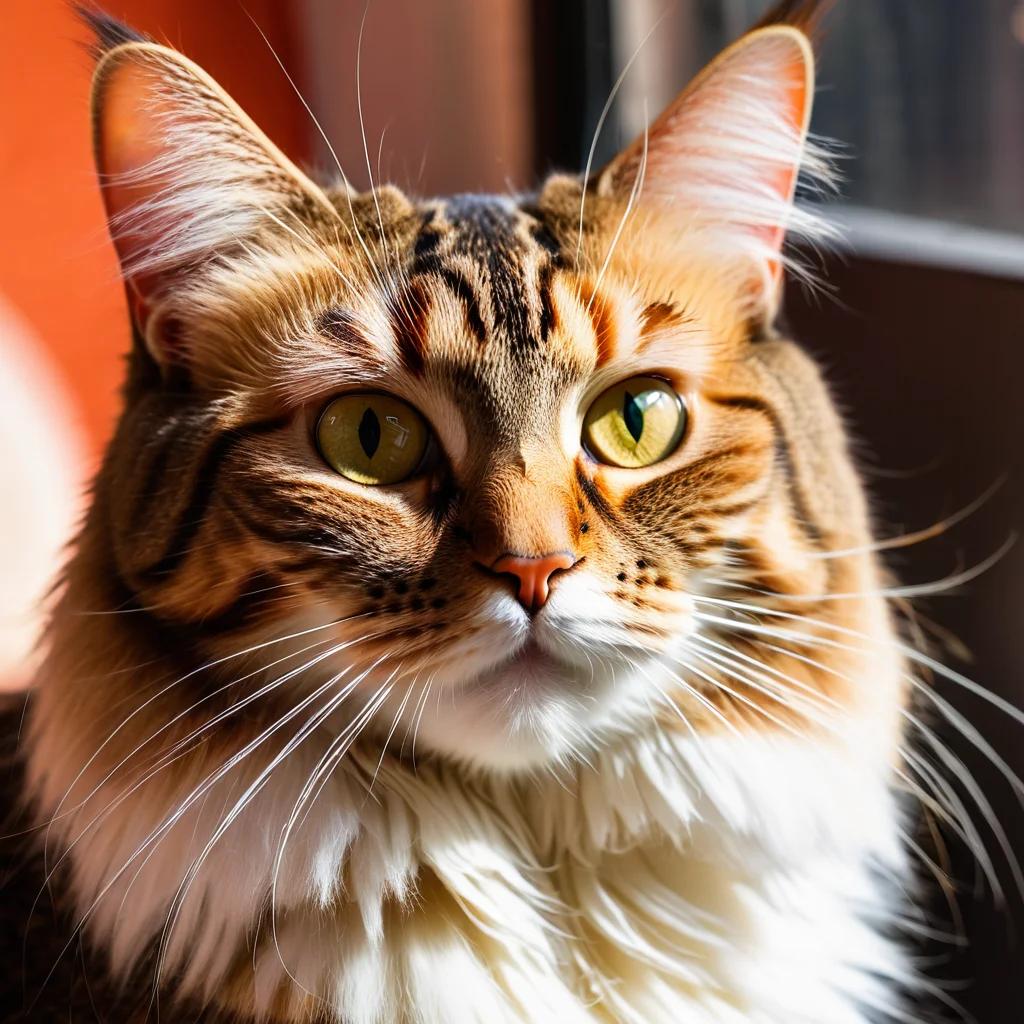

Mersin is the eastern wing of the Mediterranean coast, a city of 1.9+ million people known for its marina and port culture. Cat ownership in Mersin comes from two worlds: the coastal neighborhood cat culture (especially along the Marina, Pozcu and the Mezitli seafront) and modern indoor apartment life (Çiftlikköy, Yenişehir, Toroslar). In Tarsus, the cats of the historic neighborhoods are a category of their own. In this article we look at the climate challenges of owning a cat in Mersin, how life differs by neighborhood, the vet network, a cost breakdown and ways to adopt.
1. Cat Culture in Mersin
Mersin's cat culture is centered on the coast. Neighborhood cats along the marina, the fish stalls and the seafront promenade are a permanent reality, and there is a tradition of feeding them among fishermen, restaurant owners and shopkeepers. In Tarsus, the cats of the historic streets (Eski Tarsus, Şelale) have a character of their own. Around Mersin University (Çiftlikköy), student adoptions are common. The Akdeniz Municipality and other district municipalities are active with spay/neuter campaigns.
2. Apartment Living: Across Mersin
- Usually not a problem: Mersin's apartment culture is built on warm neighborly relations and is flexible about cats.
- Apartments are usually large: 2+1 and 3+1 layouts are common, and sea-view complexes often have gardens or pools.
- Using the balcony: In summer the balcony is hot and humid, so screens and shade are a must for a cat. Salty sea air wears down materials.
- Air conditioning is essential: In summer, a cat can't live in an apartment without air conditioning.
- Lease agreements: Pet bans are generally uncommon, though newer beachfront complexes may have bylaws.
3. Life by Neighborhood: Yenişehir & Mezitli
Mersin's two main modern districts:
- Yenişehir (Pozcu, Çankaya, Bahçelievler): The city center, with many vet clinics and shopping malls (Forum Mersin) nearby. Ideal for an apartment cat.
- Mezitli (Mezitli center, Tece, Kuyuluk): A newly developing coastal district. Modern complexes, spacious apartments, close to the sea. Many university students and young families.
- The seafront promenade: Neighborhood cats are plentiful along the coastal walkway that runs from Yenişehir to Mezitli. The fishermen feed them.
4. Life by Neighborhood: Akdeniz, Toroslar & Tarsus
Akdeniz (Mahmudiye, Çankaya, Kiremithane): The historic center, with older apartment buildings. Close to the Port of Mersin, with an industrial and ferry culture. Lots of neighborhood cats.
Toroslar (Çağdaş Kent, Halkkent): Higher ground, a bit cooler. New family-oriented complexes. Vet access is moderate.
Tarsus (Eski Tarsus, Şelale, Cumhuriyet): A historic city (the birthplace of St. Paul) with 350,000+ people. Old neighborhood layout and a high density of street cats. A strong local vet network.
Erdemli, Silifke, Anamur (coastal districts): A mix of summer homes and local life. Vet access is limited, and emergencies are taken to central Mersin.
5. Vet Network
Mersin has a large number of vet clinics:
Clinic density, the busiest areas, 24-hour emergency care (there is no veterinary faculty in Mersin), exotic pet clinics: these cluster around the center, and which one is open on a given night varies.
On the DoldurKabı platform you can see the clinics in your neighborhood on a map.
6. Monthly Cost Items (Mersin)
- Food
- Litter
- Vet visits and vaccines
- Medication and parasite protection
- Toys and equipment
Fees depend on the city, whether it's a clinic or a hospital, after-hours visits, imaging or hospitalization, and the animal's weight and age. The provincial Chamber of Veterinarians (Veteriner Hekimleri Odası) publishes a yearly minimum fee schedule; the schedule is a floor, not the final bill. Ask the clinic for a written or verbal estimate.
7. Climate: What Makes Mersin Different for Cats
Mersin has a Mediterranean climate, and the coastal effect raises humidity:
- Summer (June-September): 32-38°C, humidity 70-80%. The sea breeze cools things a little, but humidity is high. A home without air conditioning can be deadly for a cat. Keep indoor temperatures below 26°C.
- Winter (December-February): Mild, 8-15°C. Rainy. Comfortable for cats.
- Spring/Fall: The most comfortable season. Open windows and balcony time for your cat are possible.
- High humidity and the coastal effect: Pressure from fungus and external parasites (fleas, ticks) is high. Salty air corrodes metal, so look after your cat's carrier.
- Mosquitoes: Heavy all summer, especially by the coast and along streams. Mosquito netting or screens are a must for your cat.
8. Ways to Adopt
- The DoldurKabı app: Adoption listings in Mersin, by neighborhood.
- Mersin Metropolitan Municipality: Temporary care center and adoption campaigns.
- District municipalities: Municipal shelters in Yenişehir, Mezitli, Akdeniz, Toroslar and Tarsus are active.
- Associations: Mersin Hayvan Severler Derneği (a local animal welfare association), Tarsus Pati, Pati Mersin.
- University community: Mersin University's Çiftlikköy campus has a care unit for street cats, and student groups organize adoptions.
- Adopting on the coast: Adoption is common among the marina and seafront promenade cats. You can get in touch through the fishermen.
- Adopting a street cat: A vet checkup, vaccines, spaying/neutering and parasite treatment are essential (the risk is higher in a humid climate).
9. Mersin-Specific Advice
- Air conditioning plan: As soon as you get home, set the AC to 26°C. Salty air shortens AC filter life, so clean it every 3 months.
- Water station: A fountain-style water system is key in the humid coastal climate.
- Parasite protection: If you adopted a street cat, an intensive flea, tick and deworming program is a must for the first month.
- Window and balcony screens: Essential against coastal wind and mosquitoes. Use salt-resistant stainless steel mesh.
- Vacation plan: For trips to Erdemli, Silifke or Anamur, plan cat transport or a pet sitter. Summer homes may lack AC, so check.
- Adopting a marina cat: If you adopted a street cat from the marina, it has a different background when it comes to salty air and boat accidents; a vet checkup beforehand is a must.
10. 5 Practical Tips
- Get to know the vet in your neighborhood: Mersin traffic is very heavy in summer (tourists and beachgoers), so a nearby vet is practical.
- Microchip and DoldurKabı digital registration: If your cat gets lost, this coastal city is large, and quick identification is key.
- Service the AC on time: Clean the AC and filter in April-May (because of the salty air).
- Parasite protection before summer: Start in late March with a combined flea, tick and deworming plan.
- Visit a municipal shelter: Meet the animals before adopting, and the shelter can tell you about coastal climate conditions.
Owning a cat in Mersin, with the pleasures of the coastal climate, its marina and historic neighborhood culture, spacious apartments and an active vet network, can be a lovely experience. The hot, humid climate is tough, but with the right preparation (AC, parasite protection and caring for materials against salty air), your cat can live a long and healthy life. In the DoldurKabı app you can find adoption listings, vet clinics and pet-friendly coastal routes in your Mersin neighborhood.









