


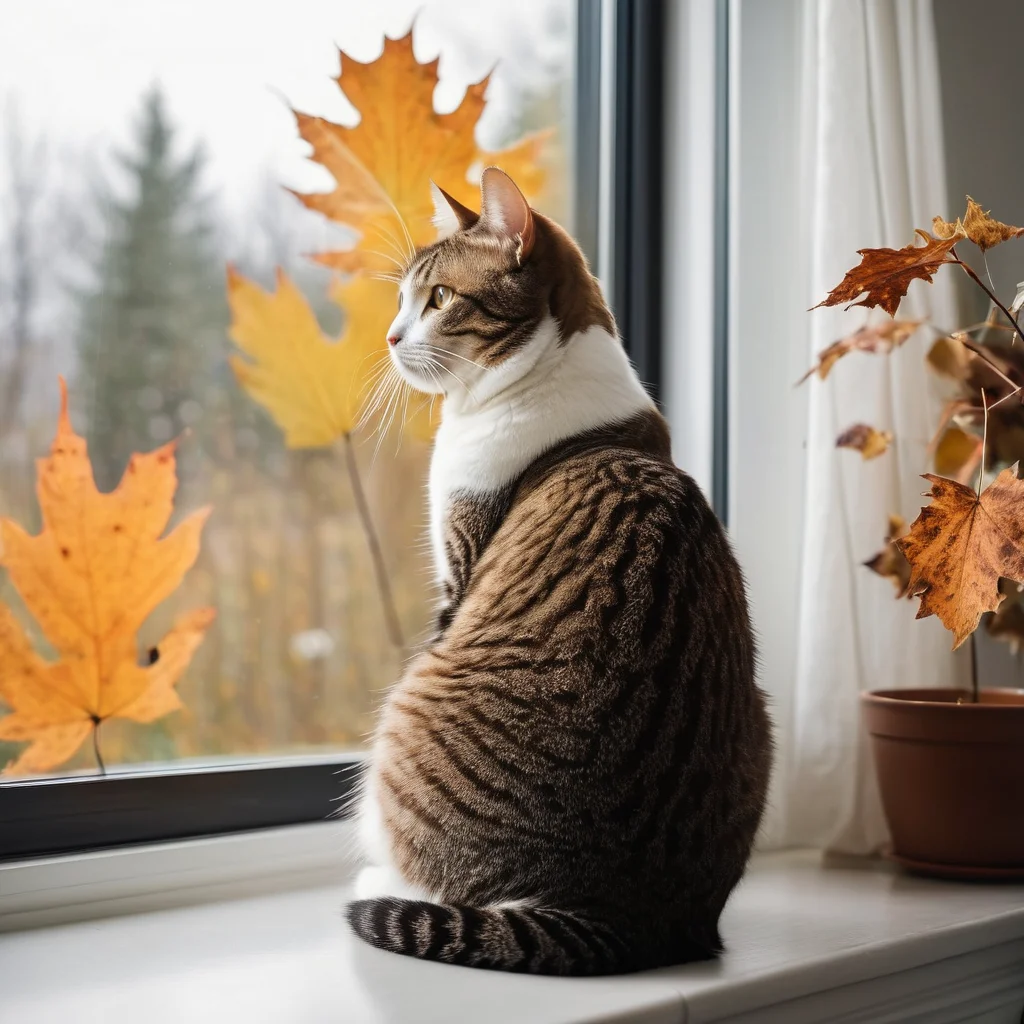

Pets' behavior changes as the seasons shift: they sleep more or less, their appetite swings, and they may withdraw socially. Spring brings bursts of energy, fall brings melancholy, summer brings restlessness and winter brings sluggishness. Pets have circadian and seasonal rhythms similar to ours. Keep up routines, and know when to have a vet rule things out. In this post, we take a detailed look at pet stress during seasonal transitions.
1. Pets' Seasonal Rhythm
- Instinctive: inherited from wild ancestors.
- Changes in light + temperature + barometric pressure.
- Effects of melatonin + serotonin.
- Reproductive cycle (pets that aren't spayed/neutered).
- Shedding + regrowth.
- Changes in activity level.
- Appetite swings.
2. Spring Bursts of Energy
- Pets are active + restless.
- They need longer walks.
- Stray animals breed more (those that aren't spayed/neutered).
- Social activity increases.
- Lots of bird-watching from the window (cats).
- Excessive play + destructiveness.
- Exercise + mental tiring are a must.
3. Summer Restlessness
- Heat = less activity during the day.
- They become active at night.
- Appetite decreases (normal).
- Thirst increases.
- Routines get disrupted by vacations.
- Stress from boarding during vacations.
- Breathing stress in brachycephalic breeds.
4. Fall Melancholy
- Less light → more melatonin → more sleep.
- Activity decreases.
- Appetite increases (getting ready for winter).
- Some pets withdraw socially.
- SAD (Seasonal Affective Disorder) exists in pets.
- Light therapy has been tried.
- Activity and mental tiring are a must.
5. Winter Sluggishness
- Pets naturally sleep more.
- Activity decreases.
- Potential for weight gain.
- Risk of boredom + depression.
- Joint pain in senior pets.
- Vitamin D deficiency (little sunlight).
- Indoor enrichment is a must.
6. Signs of Stress
- Sudden change in appetite.
- Excessive licking (of themselves).
- Behavior changes (aggression, withdrawal).
- Potty problems (going in the house).
- Excessive meowing/barking.
- Irregular sleep.
- Social avoidance.
- Excessive scratching (hormonal changes).
7. Keeping Routines
- Fixed mealtimes.
- Walk times (adjust for the heat in summer).
- The same sleeping area.
- A consistent family routine.
- Fewer new items around the house.
- A fixed spot indoors (a pet corner in the living room).
- The owner's presence relieves stress for the pet.
8. When to Have a Vet Rule Things Out
- Behavior changes for 2+ weeks.
- Loss of appetite for 3+ days.
- Excessive thirst (diabetes/kidney).
- Severe lethargy.
- Abnormal urine/stool.
- Excessive licking of one spot = a skin problem.
- Sudden aggression = pain or a neurological issue.
- The cause may be medical, not the season.
9. Enrichment + Activity
- Vary activities by season.
- Spring: long walks outdoors + socializing.
- Summer: mornings/evenings + indoor enrichment during the day.
- Fall: lots of sniffing + training.
- Winter: indoors + heating pad + warm bed.
- Social activity (meetups with other pet owners).
- Mental stimulation = as valuable as physical.
10. Stress-Reducing Products
- Feliway (cats): Pheromone diffuser.
- Adaptil (dogs): The mother's calming pheromone.
- Zylkene: An anti-stress product derived from milk.
- L-theanine + alpha-casozepine: Natural supplements.
- Thundershirt: A snug vest that wraps the body.
- Classical music: Calming for pets, according to research.
- CBD: Research on pets is ongoing; vet approval needed.
- Consult a vet = in cases of ongoing stress.
Seasonal pet stress comes down to a formula of keeping routines + adjusting activities + enrichment + having a vet rule things out. Pets have natural rhythms = accept them + support them. Routines reduce pet stress. A patient + attentive owner = an easier adjustment for the pet. If behavior changes last a long time, get a vet check. In the DoldurKabı app, you can find pet behavior experts + shared tips on calming products.









