


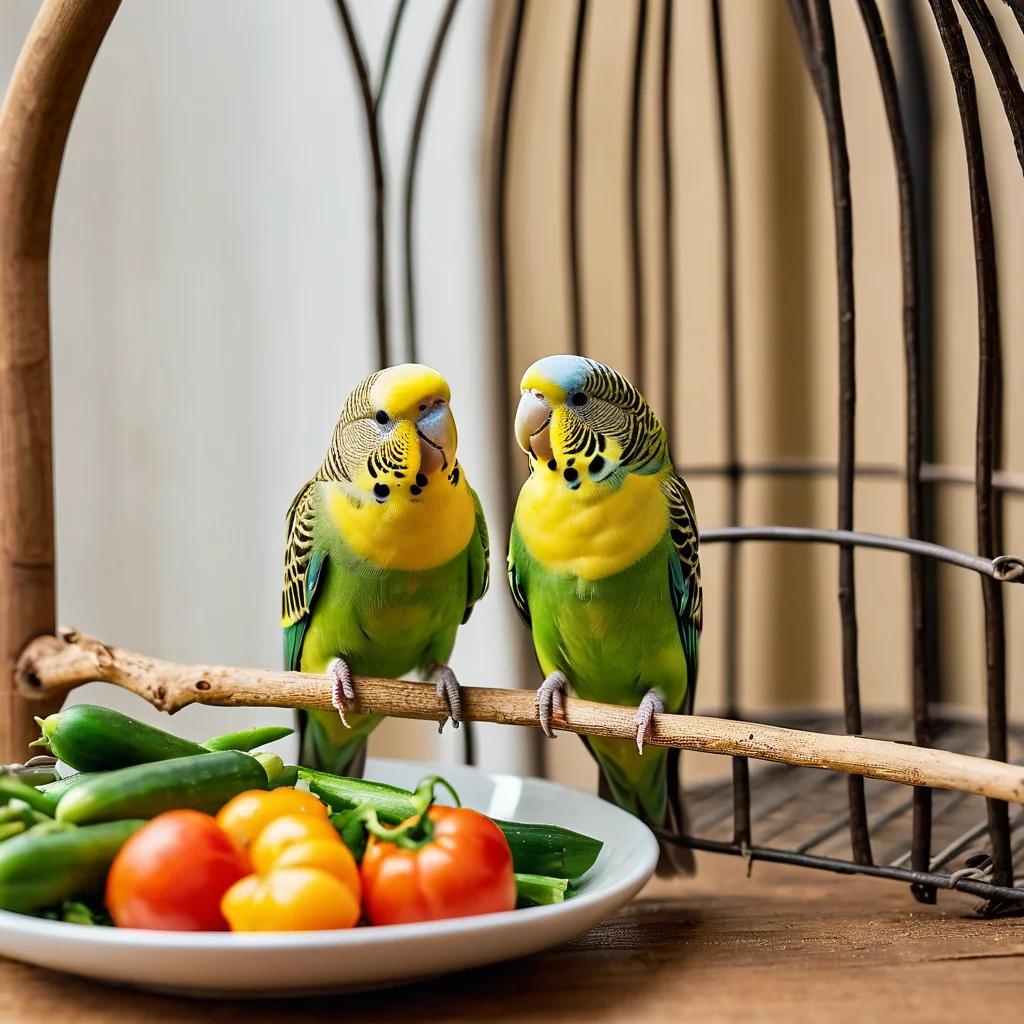

Thanks to their cheerful nature, colorful feathers and the ease with which they bond with people, budgies are one of the bird species most commonly kept at home. Their small size gives the impression that their care is simple too; in fact, a happy, healthy budgie needs the right cage setup, a balanced diet and regular observation. Small mistakes in any of these three areas directly affect your bird's quality of life and lifespan.
In this guide, we walk you step by step through the basics you need to know if you have just adopted a budgie or are thinking about adopting one: cage size and placement, choosing perches and toys, daily diet balance, foods to avoid, bathing and sleep routines, and the health signs to watch for.
If you're looking for more encyclopedic information about the species' origins, personality, color varieties and general traits, take a look at our budgie encyclopedia page. In this article, we focus on practical care information that will help you day to day.
Choosing a Cage: Size, Bar Spacing and Placement
Budgies get their exercise by flying, so a cage's width matters more than its height. For a single bird, aim for a cage at least 45-50 cm wide; if you keep a pair, choose one that is noticeably wider. If your bird can fully spread its wings to both sides without touching the bars, you're on the right track. Bar spacing should not exceed 1-1.2 cm; wider gaps create a risk of the bird getting its head stuck.
The cage's location matters as much as its size:
- Choose a well-ventilated room without drafts; spots in front of a window or under an air conditioner are not suitable.
- Keep the cage at about eye level; a cage sitting on the floor makes the bird constantly uneasy.
- Keep the cage away from the kitchen; fumes from overheated nonstick (Teflon) pans are toxic to birds.
- Placing one side of the cage against a wall helps the bird feel safe.
Choosing Perches and Toys
The plastic perches that come with a cage are all the same thickness, which isn't good for foot health. Natural wooden perches in different thicknesses work the foot muscles and reduce the formation of calluses. Avoid sandpaper perch covers; they wear down the soles of the feet, not the nails. Bells, ladders, swings and chew toys are a good start; but don't overfill the cage, so the bird still has room to flap its wings. Be careful with mirrors: birds that live alone can become overly attached to a mirror and may regurgitate food to "feed" their reflection.
Daily Nutrition: Seeds Alone Aren't Enough
A common mistake new bird owners make is leaving the diet entirely to a seed mix. A seed-heavy diet sets the stage for fatty liver and obesity over time. A balanced menu can be built roughly like this:
- A quality seed mix or pellet food: This is the foundation of the diet. Make sure the food is fresh and free of mold, and store opened packages in a cool, dry place.
- Fresh vegetables: You can offer carrots, broccoli, cucumber, parsley, zucchini and small amounts of spinach. Wash the vegetables well, serve them in small pieces and remove leftovers from the cage in the evening.
- Fruit: Apples, bananas, strawberries and pears with the seeds removed can be given in small portions a few times a week.
- Calcium support: A mineral block and cuttlebone should always be in the cage; they are especially important during molting and egg-laying periods.
Fill the water bowl with fresh water every day and wash it regularly with a brush. Don't be fooled by how the food bowl looks: budgies hull their seeds and drop the husks back in the bowl, so it can look full while being covered in empty husks. Check it every day by blowing off or sifting out the husks.
Foods You Should Never Give Budgies
Some foods are seriously dangerous to birds even in small amounts. Never give them:
- Avocado: It is toxic to birds and can cause heart and breathing problems.
- Chocolate, cocoa and caffeinated drinks
- Salty, fatty and sugary human foods: Snacks such as chips, cookies and fried foods.
- Onion and garlic
- Apple and pear seeds: The fruit itself is safe; the seeds are not.
- Alcohol and carbonated drinks
If your bird has accidentally eaten any of these foods and you notice lethargy, vomiting or loss of balance, contact a veterinarian without waiting.
Bathing, Sleep and Daily Routine
Bathing
Most budgies love playing with water. A few times a week, you can put a shallow bath dish in the cage or lightly mist your bird with room-temperature water. Never force your bird to get wet; if it doesn't want a bath, don't insist. After bathing, keep the bird away from drafts so it doesn't catch a chill.
Sleep Routine
Budgies need 10-12 hours of uninterrupted sleep a day. Covering the cage in the evening at a set time with a thin cloth that still lets air through improves sleep quality and helps the bird feel secure. TV noise and lights that stay on disrupt sleep; at night, the cage should stay in a quiet room if possible. Birds that don't get enough sleep may show restlessness, feather plucking and a weakened immune system. Uncover the cage at the same time each morning to create a regular daily rhythm.
Time Outside the Cage
No matter how big the cage is, regular free flight around the room is valuable for a budgie's development. Make the room safe before flying time: close windows and doors, draw curtains or sheers over the glass (birds can't see glass and may fly into it), check the stove and any open containers of water, and take other pets such as cats and dogs out of the room. Keep the first flights short, and never leave your bird unsupervised.
Health Signs: What Should You Watch For?
Birds instinctively hide illness; in nature, a bird that looks sick becomes a target for predators. That's why, by the time symptoms are noticed, the illness has often progressed. This is exactly why daily observation is vital. If you see one or more of the following signs, don't lose any time:
- Sitting still for long periods with fluffed-up feathers
- Loss of appetite or a noticeable change in water intake
- Changes in the color, consistency or frequency of droppings
- Nasal discharge, sneezing, wheezy breathing
- The tail bobbing noticeably up and down with each breath
- Crusting on the beak and feet (may be a sign of mites)
- Plucked, bare patches outside of normal molting
If any of these signs appear, you need to see a veterinarian experienced with birds. You can browse clinics near you in our vet directory. And even if there are no symptoms, a yearly general checkup is a healthy way to catch possible problems early.
Frequently Asked Questions
Should I keep one budgie or a pair?
If you're home during the day and can give your bird regular attention, a single bird will form a strong bond with you and learn to talk more easily. If you're away from home for long hours, keeping a pair reduces the stress that comes from loneliness. Base your decision on your own daily routine.
How long do budgies live?
With good care, they live 7-10 years on average. This span tends to be longer in birds that eat a balanced diet, get enough sleep and have regular vet checkups. Diet quality is one of the main factors affecting lifespan.
My bird isn't eating its food. What should I do?
First check the food bowl; empty husks can make it look full. Refresh the food, try a different mix if needed, and see whether anything in the environment has changed that could be stressing your bird. A bird that hasn't eaten for more than 24 hours is an emergency; their small bodies can't handle long periods without food, so contact a vet right away.
Which bird species can I keep besides budgies?
Species such as cockatiels, canaries, finches and lovebirds can also adapt to life at home. However, each species has different needs for its cage, diet and socialization. Before you decide, you can browse the species pages in our bird encyclopedia to choose one that suits your lifestyle.









