


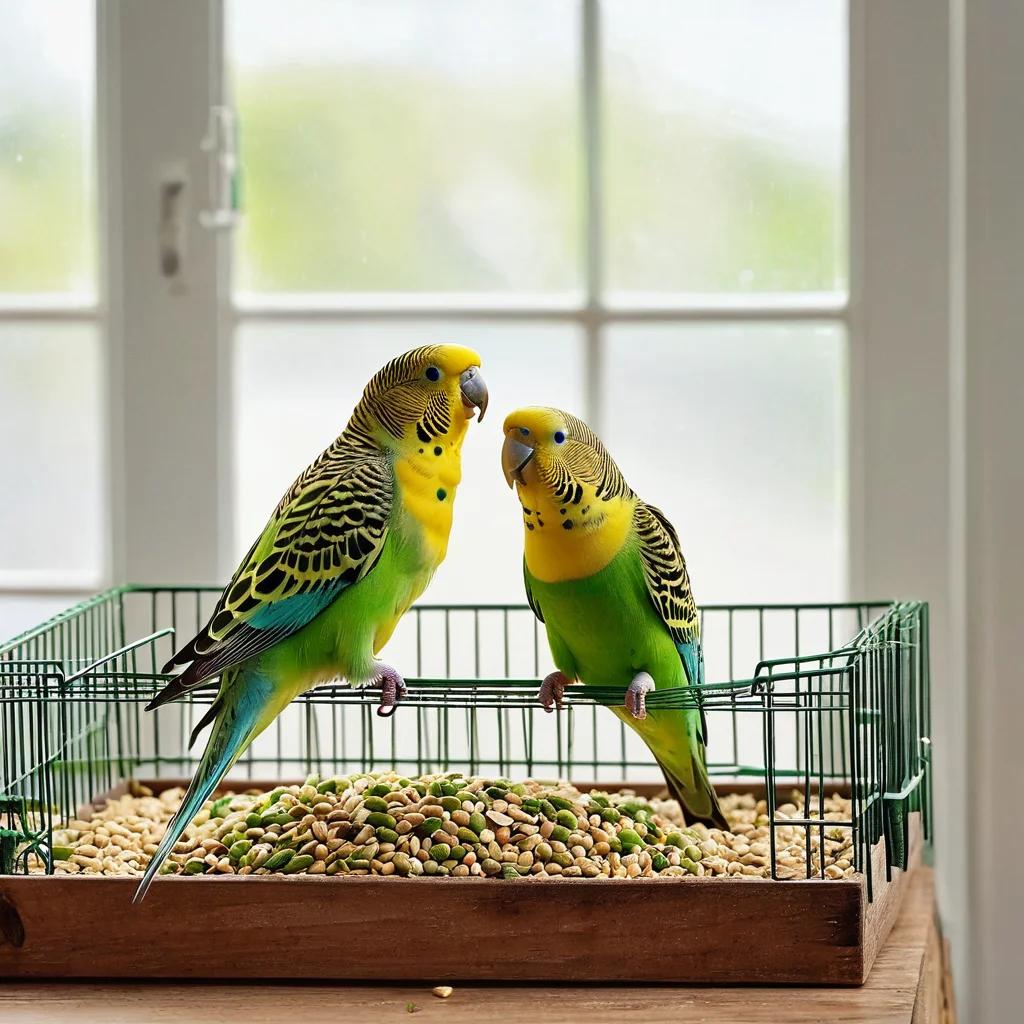

Budgies (budgerigars) are the most common pet bird in Türkiye among all bird species. Despite their small size, they are social, intelligent creatures with complex emotions, and they can build strong bonds with their owners that last 10+ years. But birds don't show emotional signals as clearly as mammals do, so reading their happiness takes observation. This article covers 10 behavioral signs that your budgie is happy, the signs of unhappiness and what you as an owner can do to boost their happiness.
1. 10 Signs of Happiness
- Fluffing up and shaking the feathers: The bird is relaxed and at ease.
- Standing on one foot: A resting position that shows they feel safe.
- Singing and chirping: Regular vocal communication is a sign of happiness.
- Beak grinding: The equivalent of a cat's purring, a sign of relaxation and happiness.
- Interest in toys: Active play with toys that have bells or mirrors.
- Talking and mimicking: Copying their owner's words and tone of voice shows the bird is ready to bond.
- A cycle of active flying and rest: A healthy bird alternates between movement and rest.
- Preening with the beak: Regular self-grooming.
- Sitting close to their mate or owner: Seeking a social bond.
- Bright eyes and a clear gaze: A sign of health and alertness.
If you see most of these signs, your bird is healthy and happy.
2. Signs of Unhappiness or Illness
- Fluffed up and motionless all day: Staying fluffed up all the time points to being cold or ill.
- Sitting and sleeping on the floor: Birds sleep standing up; if they sleep on the floor, it's a serious problem.
- Excessive feather plucking: Stress, boredom, allergies or illness.
- Lack of chirping: A quiet bird is an unhappy bird.
- Loss of appetite: The seed dish stays full.
- Labored breathing / tail bobbing: A respiratory problem.
- Discharge from the nostrils: A sign of infection.
- Changes in droppings color or texture: Green-yellow or watery droppings suggest illness.
- Aggression: When a once-gentle bird suddenly starts biting.
If you notice any of these signs, make an appointment with an avian (bird) vet. A general vet may not be qualified to treat birds, so be sure to see a bird specialist.
3. 8 Ways to Boost Happiness
1. A Spacious Cage
A budgie cage should be at least 50x40x60 cm (length × depth × height), and at least twice that for a pair. Horizontal space matters more than vertical space; the bird should be able to spread their wings and make short flights.
2. A Variety of Perches
- Natural wood (willow, apple, manzanita), with a diameter suited to the bird's foot size.
- Keep plastic perches to a minimum.
- Different diameters and textures support foot health.
3. Toys
- A mirror (for social birds).
- Bells, small ropes, beak-wearing blocks.
- Puzzle or foraging toys (mental exercise).
- Rotating toys weekly prevents boredom.
4. Socialization
Budgies are social. A single bird needs at least 30 minutes of daily interaction with their owner. A pair is healthier, but then they "stick" to their owner less.
5. A Varied Diet
- Pellets: 60-70%, for balanced nutrition.
- Seed mix: 20%; a seed-only diet leads to excess fat and nutrient deficiencies.
- Fresh vegetables and fruit: 10-15%: carrots, spinach, apple (without seeds), broccoli.
- Seed snacks: 5%, as treats.
- Water: Fresh every day.
Forbidden foods: Avocado (toxic), chocolate, caffeine, alcohol, onion, salt, sugar, fruit pits and seeds (apple, peach: cyanide).
6. Natural Light and UV
Birds need UV-B light for vitamin D. Light coming through window glass is not enough; a special UV-B bird lamp is helpful.
7. Sleep Routine
- 10-12 hours of sleep in the dark.
- A quiet, dark room or a cage cover.
- Regular hours, because a disrupted biological clock causes stress in birds.
8. A Chance to Bathe
A weekly bath (in a shallow water tray or with a spray) supports feather health and helps the bird cool off.
4. Training and Bonding
- First week: Just observe and approach calmly.
- Second week: Offer your hand with a treat (millet).
- Third week: Step-up training onto your finger.
- 1-2 months: Talking and teaching words. Repeat short words like "hello" and "good morning."
Use positive reinforcement and never punishment.
5. One Budgie or a Pair?
- A single bird: More attached to the owner and learns to talk more easily. But when the owner is away, they get lonely and bored.
- A pair: Happier (with a mate of their own species) and less dependent on the owner. They talk less.
If you are away from home for long stretches, a pair is the better choice.
6. Frequently Asked Questions
Our budgie doesn't talk. Why?
Talking varies with personality and breed. Male budgies usually talk more; some never talk at all. Repeat words with socialization and patience; it is not a sign of unhappiness.
Why does my budgie keep looking in the mirror in the cage?
Single birds see the mirror as a social partner, and this is happy behavior. But constant "love" behavior in front of a mirror can trigger egg laying, which can get out of control in females.
Should I clip their wings?
It's controversial. Some owners do it for safety; others see flying as the bird's basic right and don't. If you decide to have it done, always go to a bird vet, because an incorrect clip can cause injury.
Can my bird live on the balcony?
Summer heat and winter cold in Türkiye are too extreme for living on a balcony. Keep the bird indoors, in a spot without direct sunlight or air conditioning blowing on them.
Can they live in the same home as other pets?
Cat and bird: high risk, constant supervision. Dog and bird: possible with some calm dogs and a careful owner. Never allow free contact outside the cage.
What is their average lifespan?
8-12 years with good care, and 15+ in some cases. A yearly avian vet checkup, a balanced diet and social interaction can extend their lifespan considerably.
My budgie laid an egg. What should I do?
A female budgie can lay eggs even without a male (this is not infertility; the eggs are simply unfertilized). Putting nesting material in the cage triggers egg laying. Constant egg laying is a health risk, so have a vet check her.
Final Word
Your budgie's happiness comes down to a social bond with their owner, a good cage, a varied diet, mental stimulation and a safe environment. If you keep these five pillars strong, you can enjoy many happy years with your little friend.
For avian vet appointments and notes on diet and behavior, use DoldurKabı Pet Health Tracking.
This guide is for information only; if you suspect illness, work with an avian (bird) vet.









