


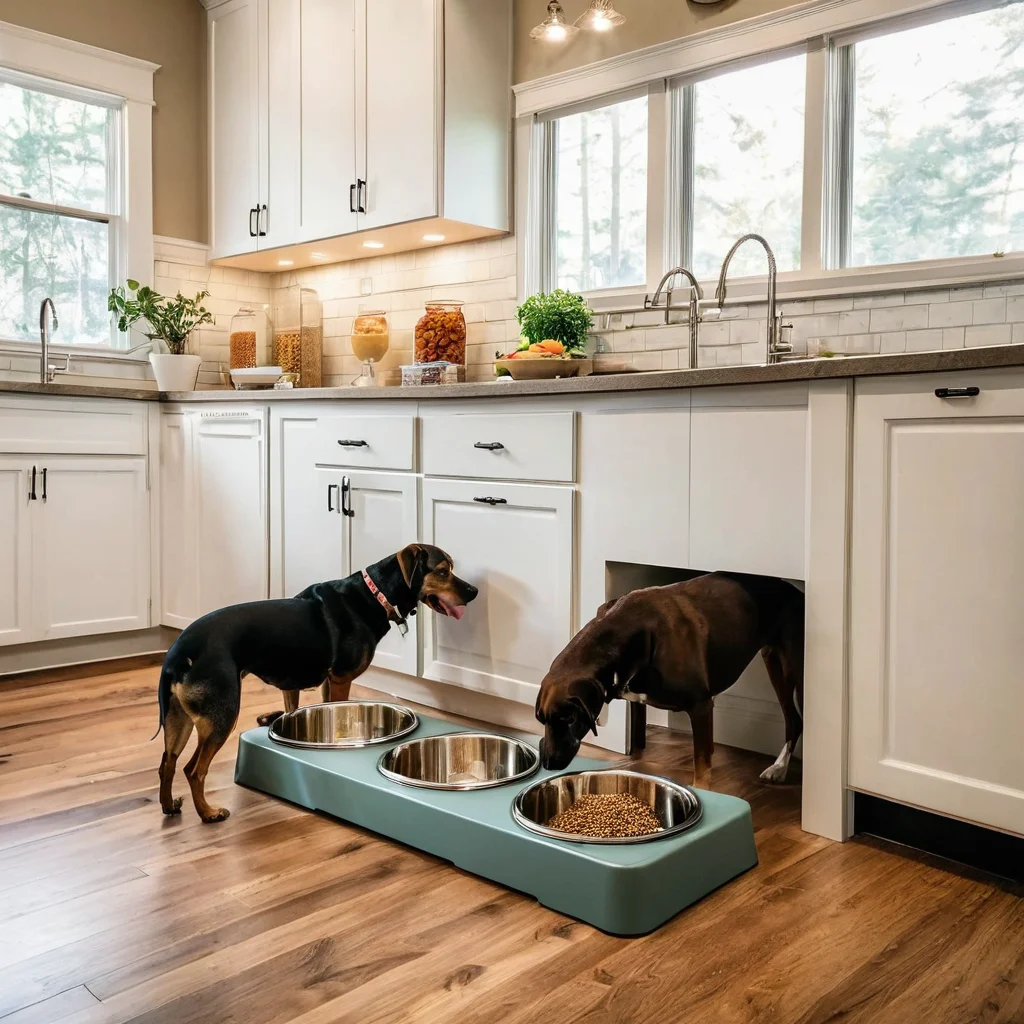

In a multi-pet home, competing for resources = fights. Separate food bowls placed apart, water in several spots, n+1 litter boxes for cats, separate beds. Resource insecurity causes behavior problems. Resource guarding is common in dogs, and litter box stress in cats. In this article, we take a detailed look at managing resources in a multi-pet home.
1. What Resource Competition Means
- Everything a pet needs in life is a "resource".
- Food + water + toilet + bed + toys + the owner's attention.
- Not enough resources = fights.
- Resource guarding is a behavior problem in dogs.
- Litter box stress causes behavior problems in cats.
- The owner's role = plenty of resources + fair distribution.
2. Managing Food Bowls
- A separate bowl for each pet.
- Spaced apart (1-2 m).
- Side by side is OFF-LIMITS.
- The same room is OK, but supervise.
- At the young stage, feed in separate rooms.
- Some multi-pet homes feed in separate rooms.
- NO approaching a pet while it eats.
- When giving treats, give every pet one at the same time.
3. Mealtime
- Feed at the same time (less competition).
- The owner has food ready for each pet.
- Pick up the bowl after your pet has eaten.
- Meals within 15-20 min (walks away = pick it up).
- "One shared dish" = the dominant pet takes over.
- Pet doors + microchip feeders (for multi-pet diets).
- Special food plans for young + senior pets.
4. Access to Water
- At least 2 water stations.
- 3-4 stations in multi-pet homes.
- An automatic water fountain (a cat favorite).
- Water in the yard + on the balcony (on hot days).
- Clean water bowls every day.
- A water bowl near the bed (for drinking at night).
- Water is rarely a reason to fight = plenty of water = no problem.
5. Litter Boxes (Cats)
- The N+1 rule = number of cats + 1.
- In different places (the same room is OFF-LIMITS).
- A mix of open + covered types.
- Daily scooping.
- A full wash every month.
- Stress = accidents around the house.
- A spot the dog can't reach.
- Low-sided boxes for senior cats.
6. Beds + Resting Spots
- At least 1 separate bed for each pet.
- Multiple beds (1-2 in every room).
- High spots (a cat tree for cats).
- Hiding spots (covered beds).
- Are pets allowed on your bed? (consistent rules).
- A comfortable area around the bed.
- Fights over a bed = a separate spot.
7. Managing Toys
- Keep high-value toys separate.
- Chew bones + Kongs = OFF-LIMITS when you're not home (fights).
- A separate ball + feather toy for each pet.
- Rotate toys (so they don't get boring).
- A pet that resource guards = play next to you.
- Rotate lots of inexpensive toys.
8. Your Attention
- The most valuable resource = you.
- Share it fairly (time, touch, voice).
- Jealousy is serious stress for a pet.
- When you bring home a new pet, give your current pet extra attention.
- Equal greetings.
- "Special time" for each pet.
- Taking turns next to you in bed.
9. Preventing Fights
- Plenty of resources = fewer fights.
- Training: "wait" and "drop it" commands.
- The owner as mediator (redirection, not punishment).
- Feliway/Adaptil in stressful times.
- Exercise + mental tiredness.
- Every pet's needs met.
- A behavior vet for serious cases.
10. Treating Resource Guarding
- Spot early signs (freezing, growling).
- Training from a young age.
- The "trade" method (swap the toy/food for a reward).
- Your approach = positive (treats).
- Punishment is OFF-LIMITS (aggression gets worse).
- A behavior vet for severe cases.
- Anti-anxiety medication (if needed).
- Long-term treatment (6+ months).
Multi-pet resource management: the formula is separate + plentiful food/water/litter/beds + fair attention from you. Resource scarcity is behind 80% of pet fights. Your role as mediator is critical. Resource guarding is a behavior problem = early intervention is a must. A multi-pet home means love + responsibility for the owner. In the DoldurKabı app, you can find pet behavior experts + experiences shared by multi-pet owners.









