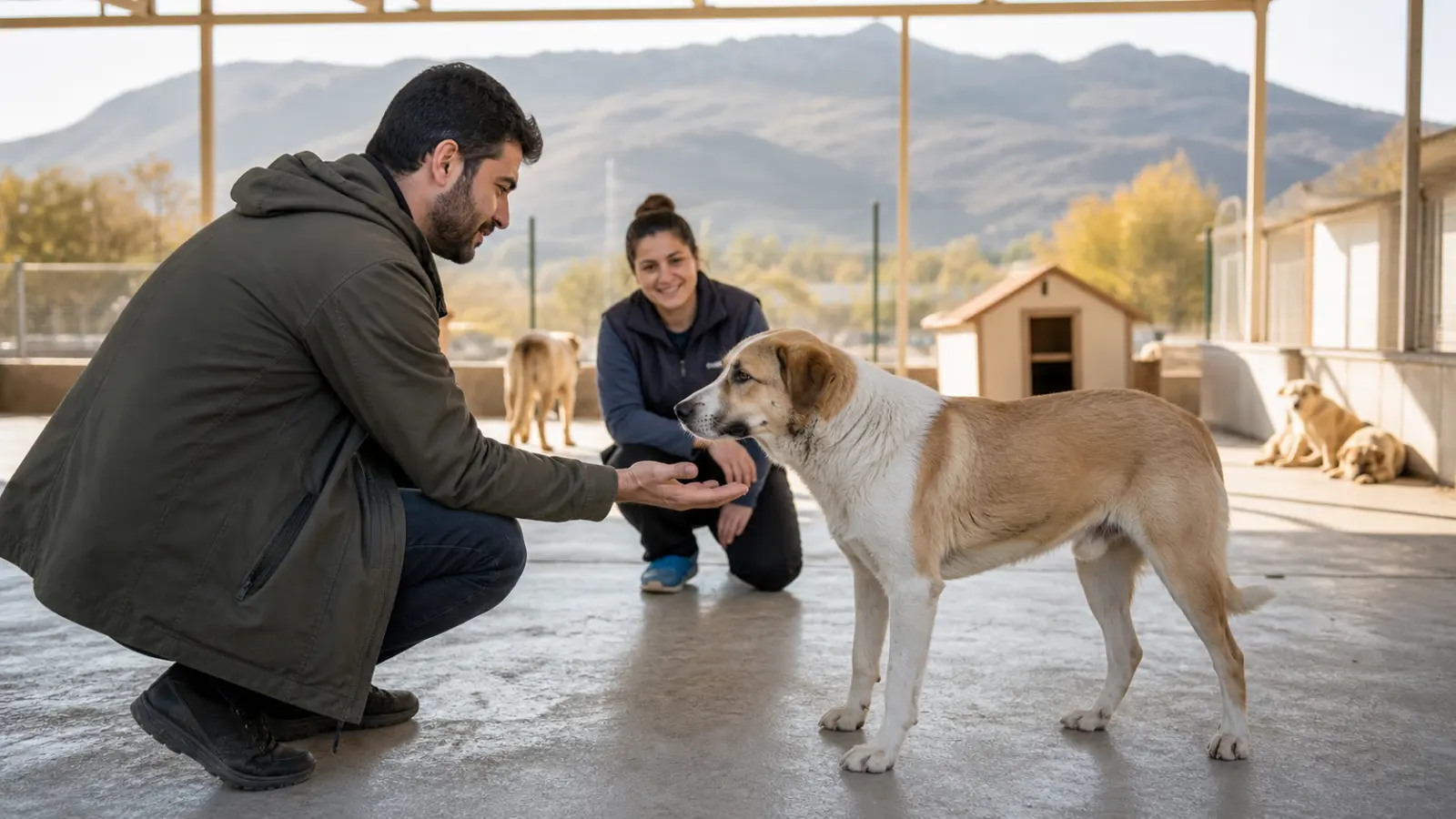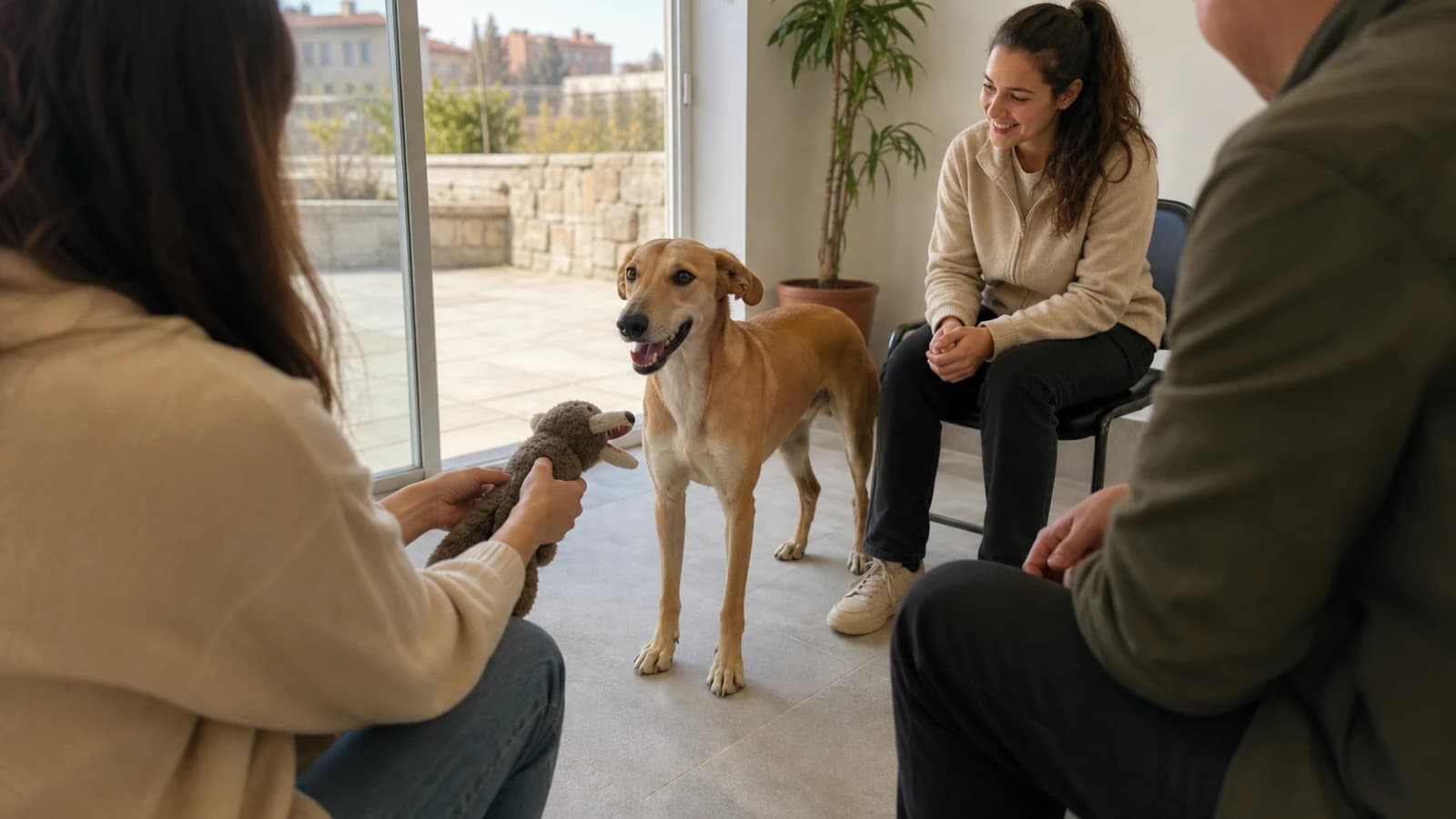

Adopting through the municipality in Niğde is a meaningful path for people who accept a care responsibility that spans years, rather than acting on a passing impulse. Whether you live in Merkez, Bor or Çamardı doesn't change the core principles; the type of home, transportation, work hours and the other people in the household all affect the right match. Without claiming any facility name, address, phone number or opening hours, this guide explains how to reach current official information in Niğde and how to plan for life after adoption.
Where can you get current, reliable information in Niğde?
Visiting arrangements, the application method and the status of animals ready for adoption in Niğde can change over time. Before you set out, review the latest announcements on the official websites of the Niğde Municipality and the district municipality where you live. To look at different options in general terms, you can check the shelter finder page. Don't rely on old addresses, phone numbers or visiting hours about Niğde that turn up in search results without confirming them through an official source.
The legal framework and lasting care responsibility
The Animal Protection Law No. 5199 gives municipalities duties regarding the protection and care of ownerless animals; after handover, feeding, safe shelter, exercise, registration and veterinary follow-up are the ongoing responsibility of the adopter.
Steps for adopting from a municipal shelter in Niğde
- Find out the application format, visiting procedure and any documents that may be requested from the relevant municipality.
- Get clear on who lives in the home, how long the animal will be alone, how care will be shared and what budget you can sustain.
- Ask for the care, notification and follow-up terms in the agreement to be explained before you sign.
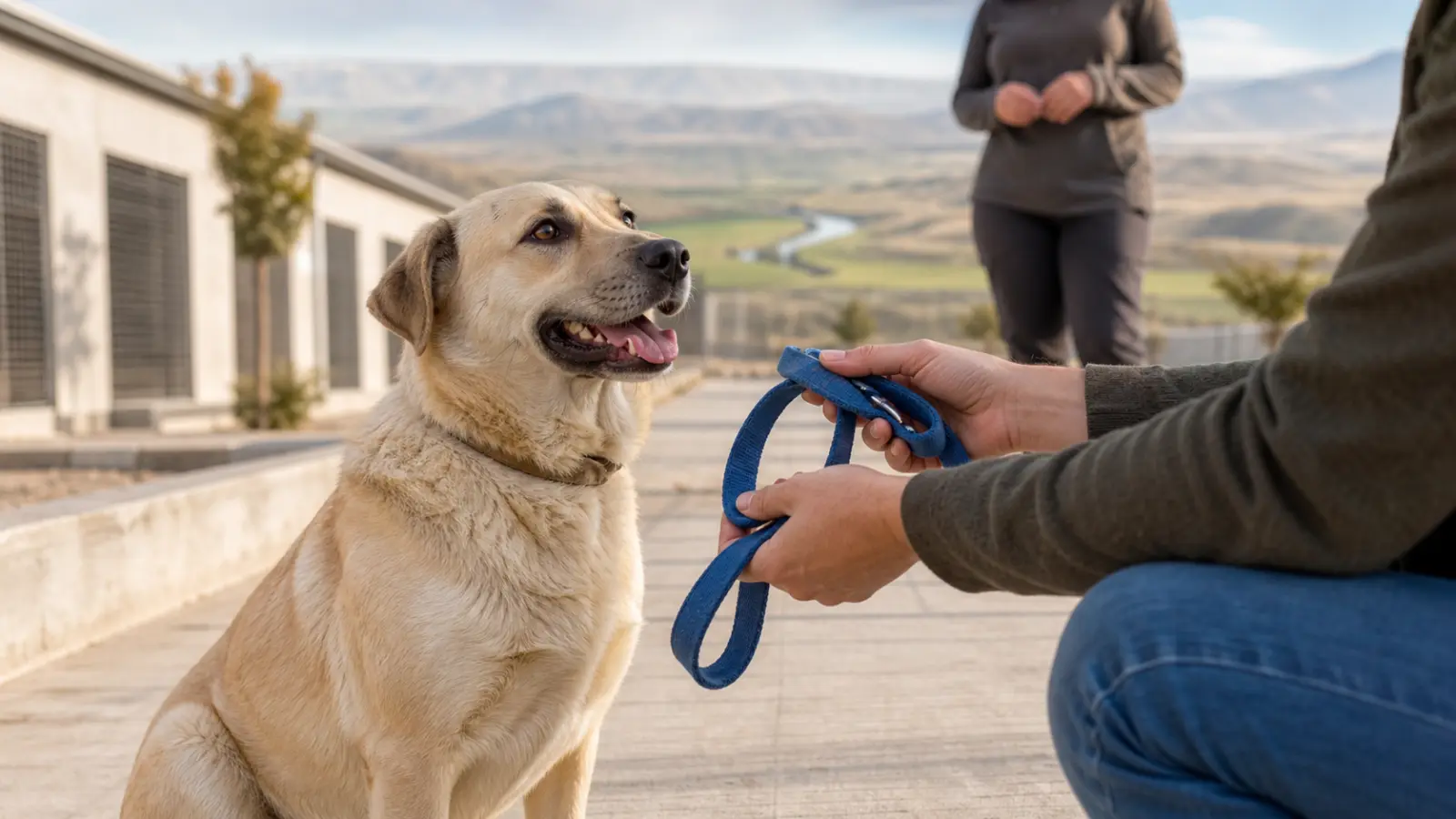
- Take a cat home directly in a closed carrier, and a dog with a suitable collar and leash and proper restraint in the car.
How do you assess a match that fits your life?
Apartment life in Merkez and the different housing and transportation conditions in Bor or Çamardı may not call for the same plan. Future trips around Aladağlar National Park may seem appealing, but long routes shouldn't be planned before you have observed the animal's age, energy, leash habits and reaction to crowds.
When choosing in Niğde, focus on the animal's known temperament and real care needs rather than its looks or its guessed breed.
In Niğde, the difference in lifestyle between Merkez, Bor and Çamardı is part of the match. In Merkez, apartments and short city walks are the norm, while toward Çamardı you need to account for altitude, slopes, changing weather and longer car rides. A house with a yard in Bor is not a reason to let a dog roam uncontrolled either; boundary security and daily human contact need to be planned separately. Don't assume that an animal that looks big or thick-coated at the shelter is ready for mountain conditions. Don't set a goal of long routes without considering age, current condition and any known health records.
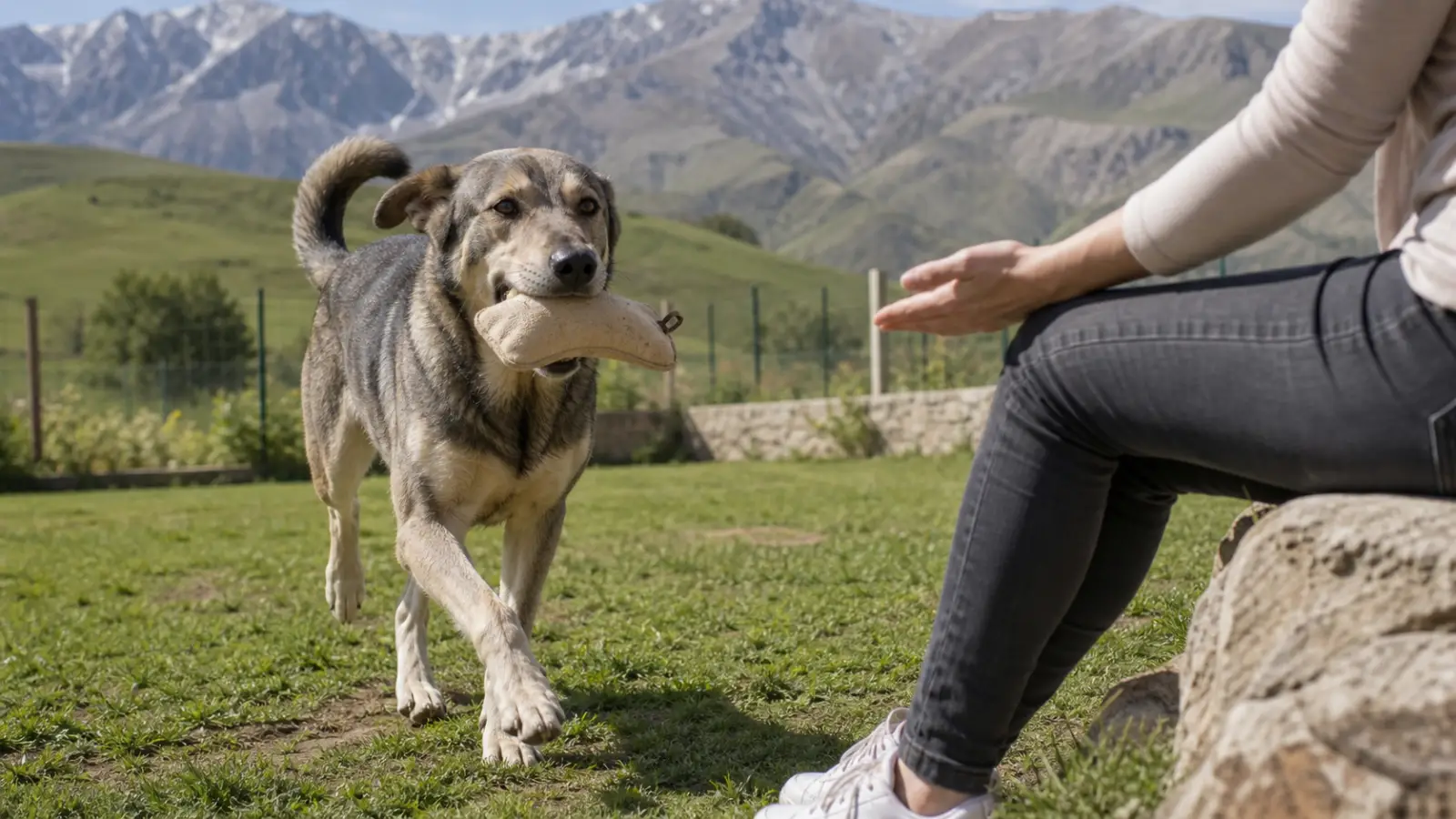
Aladağlar is a strong draw for someone with a hiking habit, but a newly adopted animal isn't a hiking companion from day one. Start with short sessions on flat ground, then try controlled slopes and car trips. Because the weather can change quickly at high altitude, prepare water, rest stops, a return time and a backup plan, and check the current rules for protected areas with an official source. When you see a flock or other dogs, keep your distance and don't allow off-leash roaming. For cats, the right environmental enrichment is not the mountains but climbing and play space inside the home.
Niğde's continental winter means you shouldn't base the adoption decision only on the activity summer allows. At home, set up a draft-free sleeping corner, a drying routine for wet paws after walks and a short potty route you can use in bad weather. If you travel regularly to Çamardı or Bor, realistically assess how quickly care support could reach you in winter conditions. Instead of guesses based on a village dog or livestock guardian look, ask staff for concrete notes on behavior. Good care in Niğde is not about fitting the animal to the terrain but about building the daily pace around its observed capacity.
Before making your final decision for Niğde, spend a week observing the routes between Merkez, Bor and Çamardı that you will actually use. Write down separately the morning departure time for Merkez, care visits that need a car for Bor and a bad-weather option for Çamardı. Aladağlar National Park may express the city's identity, but the success of daily care depends not on a scenic or symbolic trip but on a routine you can repeat around your home. Niğde's character, with its high altitude, mountaineering and rural dog tradition, should be considered together with the animal's temperament; a romantic expectation about the local surroundings does not replace safe transport and regular human contact. If any task on your Niğde schedule falls through, change the person responsible or the route before handover. The plan between Merkez and Çamardı should cover not only sunny, calm days but also days when time outdoors is cut short by rain, heat, cold or crowds. When conditions in Niğde change, the animal's basic routine shouldn't fall apart. Time set aside for the area around Aladağlar National Park shouldn't cut into the essential daily care hours in Merkez.
Preparing your home before handover
A calm, escape-proof space
- Place water and food away from the litter or potty area; put the bed, a hiding spot and a safe toy in a quiet part of the home.
- Check balcony netting, windows, the front door and yard openings.
- Don't open the whole home on day one; let the animal move out from its safe area at its own pace.
A daily time and support plan
- Put morning and evening care, time alone and emergency help in writing.
- Set aside a sustainable budget for variable care costs; if you rent, review your lease and the rules for shared areas.
The first 72 hours in the new home
- Don't invite guests; don't force the animal into contact, out of its hiding spot or into intense play.
- Keep fresh water within reach; note appetite, potty habits, sleep and behavior.
- Don't change food suddenly; if needed, talk with a veterinarian about a transition plan.
- Don't let a cat outside; with a dog, take short, calm walks using safe equipment.
Controlled introductions if you have other animals at home
- Start with separate spaces and scent swapping; don't arrange a direct meeting at the door.
- Don't force them to share food, water, beds or litter and potty areas.
- When there is tension, shorten the time and increase the distance; if safety can't be ensured, get qualified behavior support.
What questions should you ask at the handover meeting?
- Ask about the daily feeding and rest routine, how the animal approaches people, its fears and its experience with being transported.
- Find out what will be expected of you during follow-up; note any unknown details to discuss with a specialist.
Long-term care and city resources
Don't base your adoption decision in Niğde only on your current schedule; prepare a backup plan for job changes, vacations, moves and changes in your family situation. You can browse current listings in Niğde on the Niğde adoption page, and other city-focused resources in the Niğde City Guide.
Frequently Asked Questions
Where do you apply to adopt from a municipal shelter in Niğde?
Check the official announcements of the Niğde Municipality or the district municipality where you live.
What documents might be requested when applying in Niğde?
The exact list of documents required in Niğde may vary with the institution's current practice, so ask the relevant official unit before your visit.
How do I find out the animal's vaccination, spay/neuter and microchip status?
Ask the staff member in Niğde about the existing records and review the documents handed to you.
What should you do if the animal doesn't settle in right away at your home in Niğde?
Keep your home in Niğde safe and give the animal time; if a health or safety concern arises, don't make a sudden decision without talking to the municipal unit, a veterinarian or a behavior specialist.