


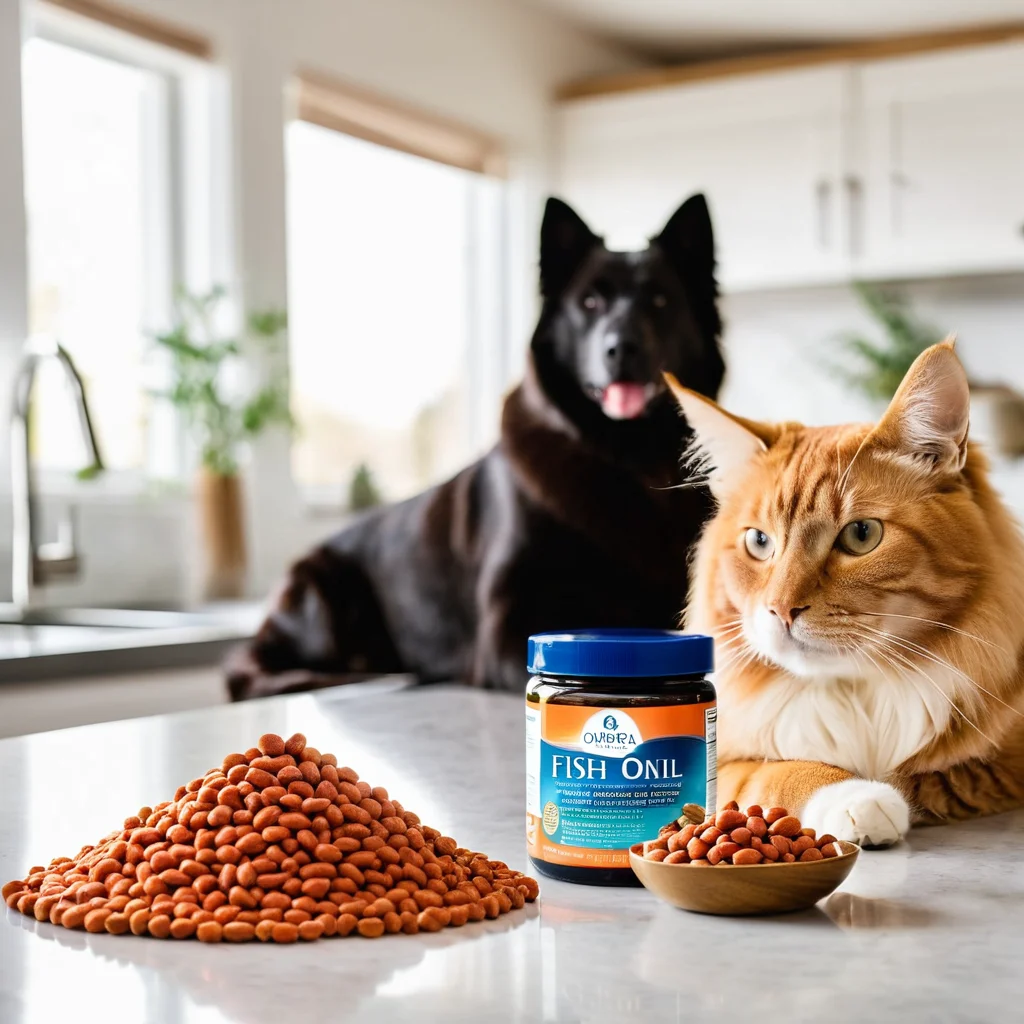

Omega-3 fatty acids (EPA + DHA) are the most evidence-backed and most widely used supplement for pets. Their effects on joints, skin, brain, heart and kidneys, and their anti-inflammatory effect, are well documented. Fish oil (usually from salmon, sardines or anchovies) is the main source. The right dose and a quality product determine the results. In this post we take a detailed look at omega-3 and how to use it correctly.
1. What Is Omega-3?
- A group of polyunsaturated fatty acids.
- 3 main types: ALA (plants), EPA + DHA (fish/algae).
- For pets, EPA + DHA are what matter, since conversion from ALA is poor.
- The body can't make them, so they must come from the diet (essential).
2. Health Benefits (Evidence-Based)
- Joints (osteoarthritis): Anti-inflammatory, reduces pain.
- Skin + coat: Shine, moisture and support for atopic dermatitis.
- Heart: Reduces platelet aggregation, supports heart rhythm.
- Kidneys: Glomerular protection in chronic kidney disease.
- Brain: Cognitive function (cognitive dysfunction, dementia).
- Brain development in puppies and kittens.
- Anti-cancer: Some studies suggest a protective effect.
- Immune modulation.
3. Dosage (Important)
For dogs:
- General health: 30-40 mg EPA+DHA / kg / day.
- Joints + skin: 50-75 mg / kg.
- Therapeutic (osteoarthritis, heart): 100-150 mg / kg.
- Maximum safe: 310 mg / kg (bleeding risk beyond this).
For cats:
- 30-50 mg EPA+DHA / kg / day.
- More sensitive to high doses, so watch for side effects.
4. Sources
- Fish oil (salmon, anchovy, sardine): The most common, rich in EPA+DHA.
- Krill oil: Higher bioavailability, less odor.
- Green-lipped mussel: From New Zealand, natural EPA+DHA + glycosaminoglycans.
- Algae oil: A vegan alternative (DHA-focused).
- Flaxseed (ALA): Weak for pets because conversion efficiency is low.
5. How to Choose a Product
- The amount of EPA + DHA is clearly stated.
- Purity testing (mercury, heavy metals).
- Certified products such as Pure-Per-Pet, NaturVet, Nordic Naturals Pet and Welactin.
- Capsule, liquid and soft chew forms.
- Refrigeration preferred (to prevent oxidation).
- Use within 2-3 months of opening.
6. How to Give It
- Liquid pump: 1 pump per meal on top of the food, easy to dose.
- Capsule: Squeeze it onto the food or have your pet swallow it whole.
- Soft chew (treat): Tasty and easy.
- Give it with food (for fat absorption).
7. Side Effects and Cautions
- Diarrhea: From overdosing or a sensitive stomach.
- Bleeding tendency: At high doses; stop 2 weeks before surgery.
- Bad breath: A fishy smell.
- Vitamin E deficiency: High omega-3 intake requires vitamin E, so supplement them together.
- Weight: High in calories, so control portions.
- Pancreatitis-prone pets: Too much fat → a flare-up.
8. Fish Oil vs. Krill Oil
- Fish oil:
- Cheaper.
- High amount of EPA+DHA.
- Triglyceride form, moderate absorption.
- Higher risk of oxidation.
- Krill oil:
- More expensive (2-3x).
- Phospholipid form, high absorption.
- Contains astaxanthin (a natural antioxidant).
- Less odor.
9. Calculating Your Pet's Dose
Example: a 25 kg dog with osteoarthritis, for joint support:
- Target: 75 mg EPA+DHA / kg = 1,875 mg/day.
- Product: fish oil with 30% EPA+DHA (1,000 mg capsule = 300 mg EPA+DHA).
- Daily: 6 capsules or 7 ml of liquid.
- The label must show the EPA + DHA content; just "fish oil" isn't enough.
10. When Will You See Results?
- Skin: 4-6 weeks.
- Joints: 6-8 weeks.
- Heart/kidneys: 8-12 weeks.
- Continue alongside current treatment (NSAIDs, ACE inhibitors, etc.).
Omega-3 is the gold standard of the pet supplement world, with broad evidence and safety. The formula of the right dose + a quality product + giving it with food maximizes the health benefits. It's especially valuable in joint, skin, heart and kidney cases. In the DoldurKabı app, you can find vet clinics experienced in nutrition and internal medicine on the map.









