
Adopting a cat or dog from a municipal shelter in Ordu is a decision to offer an animal a permanent, safe life. Whether you live in Altınordu, Fatsa or Ünye does not change the basic logic of the application; transportation, your home setup and your capacity for daily care do affect the match. In Ordu, a city of green Black Sea landscapes and hazelnut orchards that suits an active lifestyle, rain, humidity and seasonal routines should also be thought through ahead of time. Without giving any unverified facility, address, phone number or opening hours, this guide explains how to research adoption through municipal channels, which topics to cover in the interview and how to plan the move home.
Where should you get current application information?
Shelters' visiting conditions, the animals ready for adoption and the documents they ask for can change. Before you set out, check the announcements on the official websites of the Ordu Metropolitan Municipality and your district municipality. If needed, ask the municipality's general contact channel to refer you to the unit in charge of animal care. The Provincial Directorate of Agriculture and Forestry is also a reliable official point of contact for questions on legislation, identification and registration. For broader research, you can use the shelter finder page. Do not treat old addresses, phone numbers or visiting hours shared on social media as certain until you have confirmed them with an official source.
The legal framework and shared responsibility
Animal Protection Law No. 5199 gives municipalities responsibilities for protecting and caring for ownerless animals. During adoption, the institution may share the animal's existing records and known behavior with the applicant and may hold an interview to assess the applicant's living conditions. The adopter, in turn, takes on safe housing, proper nutrition, exercise, keeping up with records and vet checkups for the long term. The decision should rest not only on an emotional first meeting but on a real fit between the animal's needs and the family's daily routine.
Steps for adopting from a municipal shelter
- Official research: Find out from the municipality how to apply, whether a visit is needed and which documents are required.
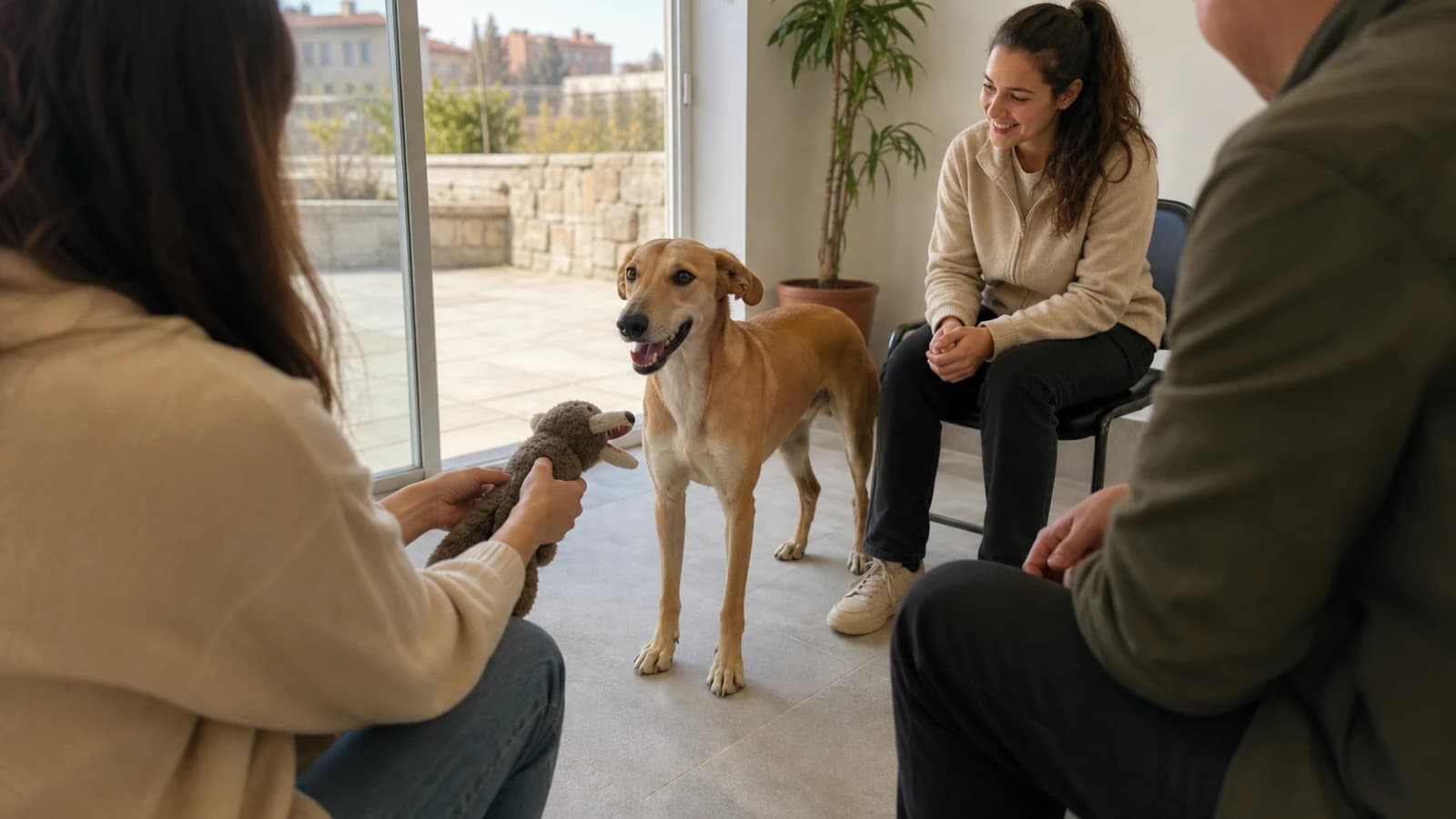
- Suitability interview: Give clear information about who lives in the home, your working hours, past experience and any current pets.
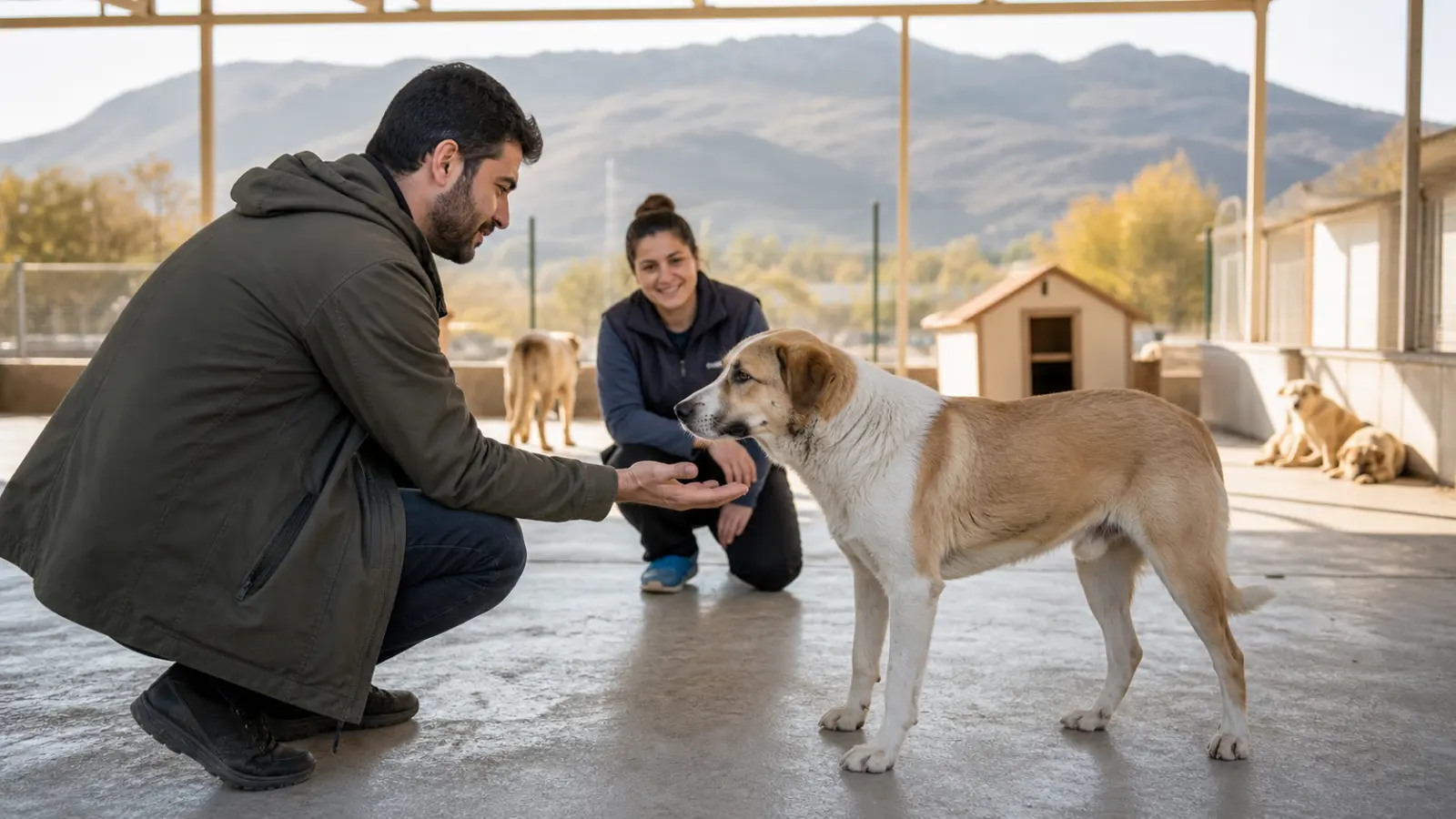
- Meeting the animal: Listen to the history the staff member shares; observe the animal in a calm setting and do not decide based on looks alone.
- Reviewing records: Ask about the status of vaccination, spaying/neutering and microchip records; keep a copy of the documents you are given.
- Agreement: Read the clauses on care, notification and any follow-up carefully, and ask for anything you don't understand to be explained.
- Moving home and follow-up: Transport the animal safely, keep your contact details up to date and respond to the institution's follow-up requests.
Each animal's file and each institution's current practice can differ. This order shows the general framework; exact details should come from the official unit you apply to.
Thinking about the right match in Ordu
Ordu's CITY_FACTS entry highlights its green Black Sea landscapes and hazelnut orchards, a character that suits an active lifestyle. This setting can make it easier to build a regular outdoor routine with an energetic dog, but a yard or green surroundings are not enough on their own. Consider the animal's age, energy level, relationship with people and other animals, and how long it will be left alone at home, all together. Boztepe is the city's iconic spot; still, crowded, sloped or rainy routes may not suit the first walks of a newly adopted animal. Start with quiet routes near your home. An apartment in Altınordu, a family routine in Fatsa and a house with a yard in Ünye may each call for different safety preparations.
Before the animal comes home
A calm, escape-proof space
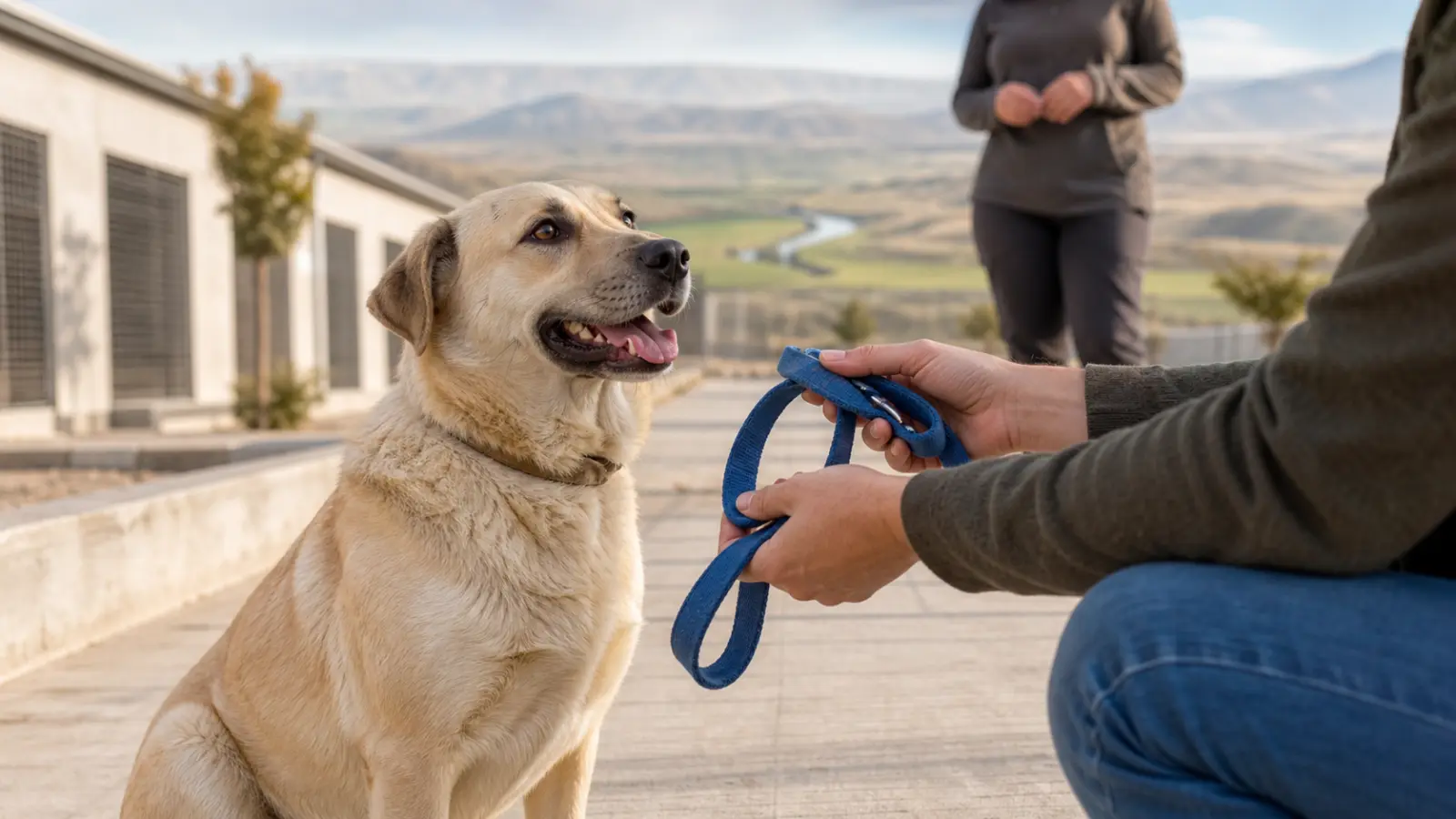
Prepare a less-used part of your home as a starter space for the new animal. Have the food and water bowls, a bed, a toilet setup and a few safe toys ready. Check escape points at balconies, windows, the yard gate and the building entrance. Use a sturdy carrier for a cat; for a dog, use a well-fitting collar, a leash and a secure car restraint. If there is access to a hazelnut orchard or open land, check fences and gates not just by eye but for gaps the animal could slip through.
A daily routine suited to a rainy climate
Ordu's rainy days call for safely replanning walks rather than canceling them. When you get home, gently towel off wet fur, keep the bed area dry, and if you notice anything unusual on the skin or in the ears, consult a veterinarian rather than diagnosing it yourself. Choose short, controlled routes on slippery ground in the first days. Give space to an animal that is shy around new stimuli such as the sound of rain, umbrellas or hoods.
The first 72 hours: quiet, observation and routine
In the first three days, avoid crowded visits, long outings and expecting constant contact. Let the animal sniff, rest and retreat to its safe space at its own pace. Ask what food the shelter used; if a change is needed, go gradually on your veterinarian's advice. Water should always be available. Do not let a cat outside; walk a dog briefly with secure equipment on the first outings. Keep notes on appetite, water intake, toileting, sleep and behavior. In worrying situations such as repeated vomiting, marked lethargy, injury or difficulty breathing, get professional help without delay.
Controlled introductions with a pet you already have
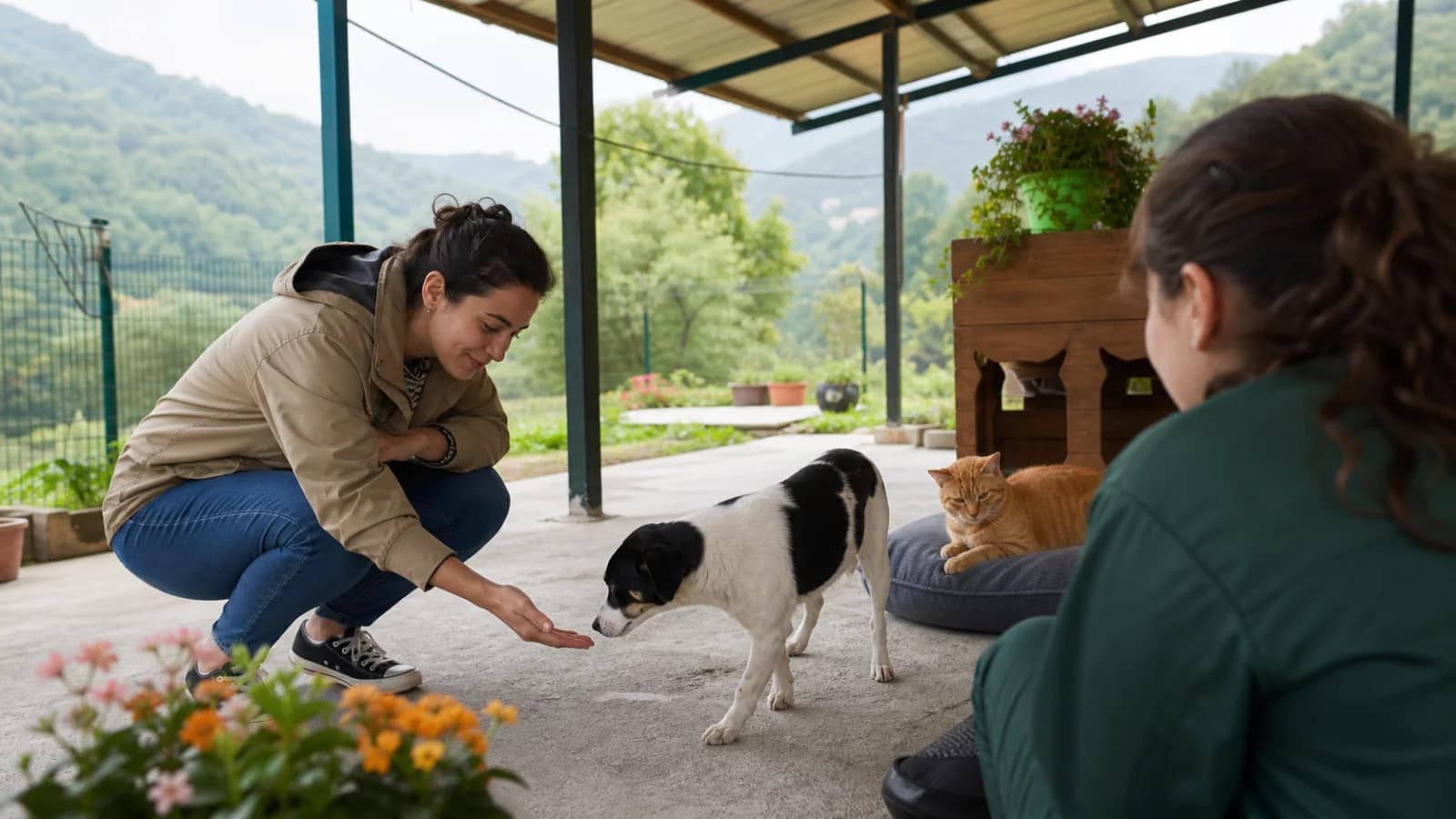
If you already have a pet, do not leave the newcomer face to face with it the moment it walks in the door. Set up separate starter spaces and first swap cloths or bedding that carry their scents in a controlled way. For dogs, a short parallel walk in a calm, neutral area led by two adults can help. For cats, scent swapping from behind a door, followed by brief visual contact, may be preferred. If tension rises, increase the distance. Do not force them to share resources; set up separate food, water, bed and toilet spots. If the problem continues, seek qualified behavior support.
A long-term adoption plan
Plan a sustainable budget for food, routine vet care, parasite protection, identification and registration, transport equipment and unexpected needs. Decide who will handle care on workdays, who will help during vacations and how the animal will come with you if you move. Family members should share the tasks; children's interactions with the animal should be supervised by an adult. You can browse current listings in Ordu on the Ordu adoption page and other city-focused content in the Ordu city guide.
Review your adoption decision one last time
Before handover day, write out a sample one-week schedule. Add morning and evening care, time spent alone, indoor activities for rainy days and the person who will help in an emergency. If everyone at home finds this routine realistic, move ahead with the interview. Ask the staff member openly about anything you are unsure of; remember that meeting a different animal is not a failure but a search for a better match. A well-prepared decision protects both the family and the animal.
Frequently Asked Questions
What should I do before going to a municipal shelter in Ordu?
Confirm the current application and visiting information on the official website of the metropolitan municipality or the relevant district municipality. Do not rely on old addresses and hours found online.
What information is asked in the application?
Along with ID and contact details, you may be asked about your home setup, working hours, family members and current pets. Ask the institution for the exact list of documents.
How do I check vaccination and microchip records?
Ask the staff member for the animal's existing records and keep the handover documents. Plan any ongoing procedures with your veterinarian and the relevant official unit.
How should I walk my new dog in rainy weather?
In the first days, choose short, calm, non-slippery routes; use a secure collar and towel off the fur when you get home. If the dog is clearly stressed, shorten the time.