
Adopting a cat or dog from a municipal shelter in Osmaniye is a decision to commit to a long-term care relationship with an animal. Whether you live in the city center, Düziçi or Kadirli doesn't change the core responsibility; how safe your home is, your daily time, transportation and how ready you are for the climate all affect finding the right match. Our city data describes Osmaniye as home to street animals used to the Mediterranean climate around the ancient city of Karatepe. This local character only provides context; every animal's needs are individual. This guide walks you through official research, the application and settling in at home without using any unverified facility, address, phone number or opening hours.
Getting current, reliable information
The animals ready for adoption, the visiting arrangements and the documents required can change over time. First check the announcements on the official websites of the Osmaniye Municipality and the relevant district municipality. If there's no clear information, ask the municipality's general contact channel to direct you to the unit responsible for animal care. The Provincial Directorate of Agriculture and Forestry is an official source for information on identification and registration requirements. For general research, you can use our shelter finder page. Don't treat old location, phone or hours information you see on social media as certain without confirming it with the official institution.
Law No. 5199 and lasting responsibility
Animal Protection Law No. 5199 gives municipalities duties regarding the protection and care of ownerless animals. Adoption makes sure this care continues in a suitable home. Municipal staff can share information about the animal's existing records and known behavior, and may hold an interview to assess the applicant's living conditions. The adopter, in turn, takes on safe housing, proper nutrition, exercise, veterinary follow-up and keeping official records up to date. Instead of a quick choice based on looks, temperament, age, energy level and your household routine should all be considered together.
The application and handover process
- Initial research: Find out through the municipality's official channel how to apply, the visiting conditions and the documents required.
- Application form: Give accurate information about your identity, contact details, residence and lifestyle.
- Interview: Be open about your working hours, travel, family members, children and current pets.
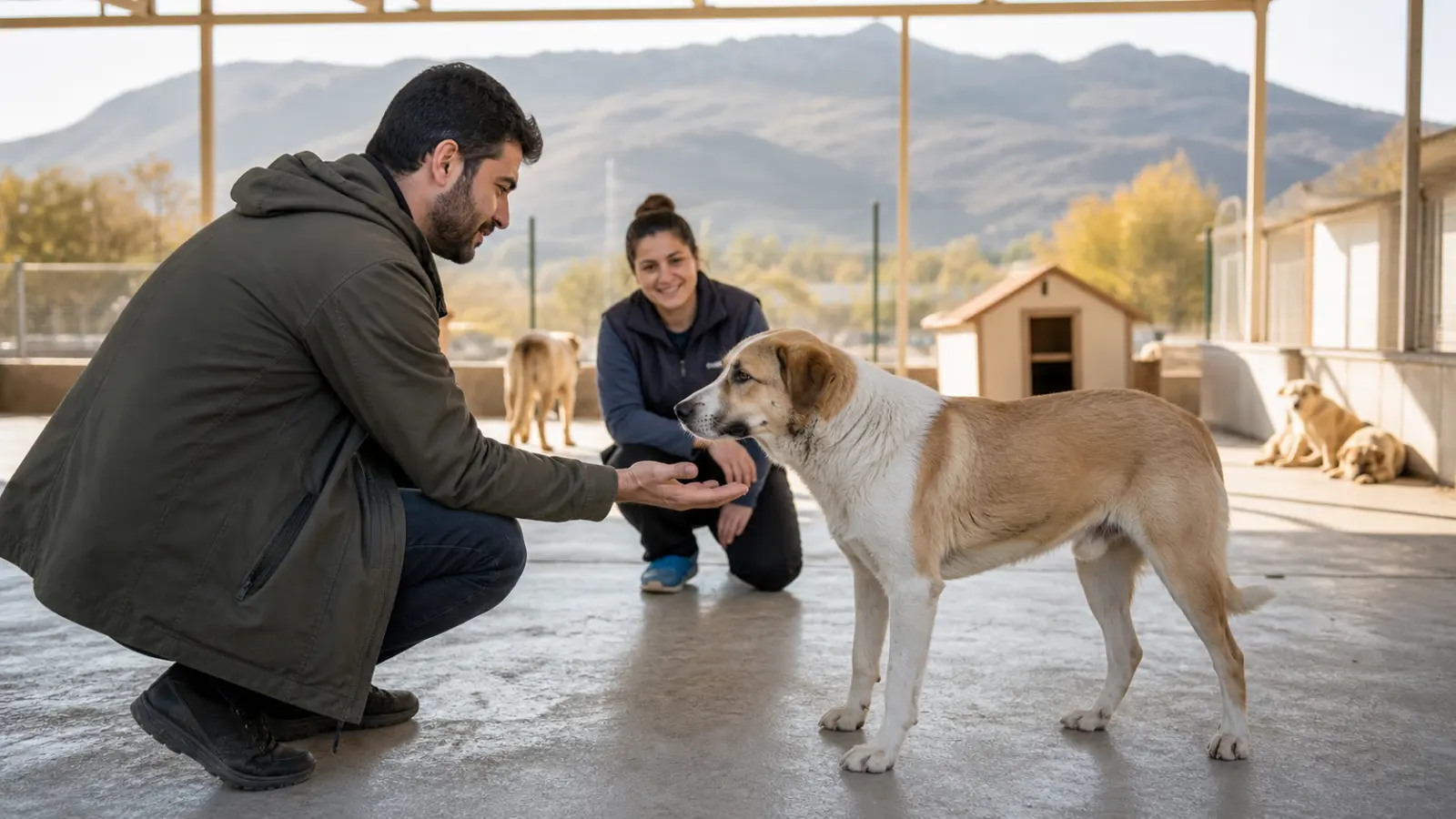
- Meeting the animal: Observe the animal calmly; ask the staff about its history, temperament and known needs.
- Reviewing records: Ask about vaccination, spay/neuter and microchip status, and keep the documents you're given.
- Agreement: Read the clauses on care, follow-up and notification, and ask for an explanation of anything you don't understand.
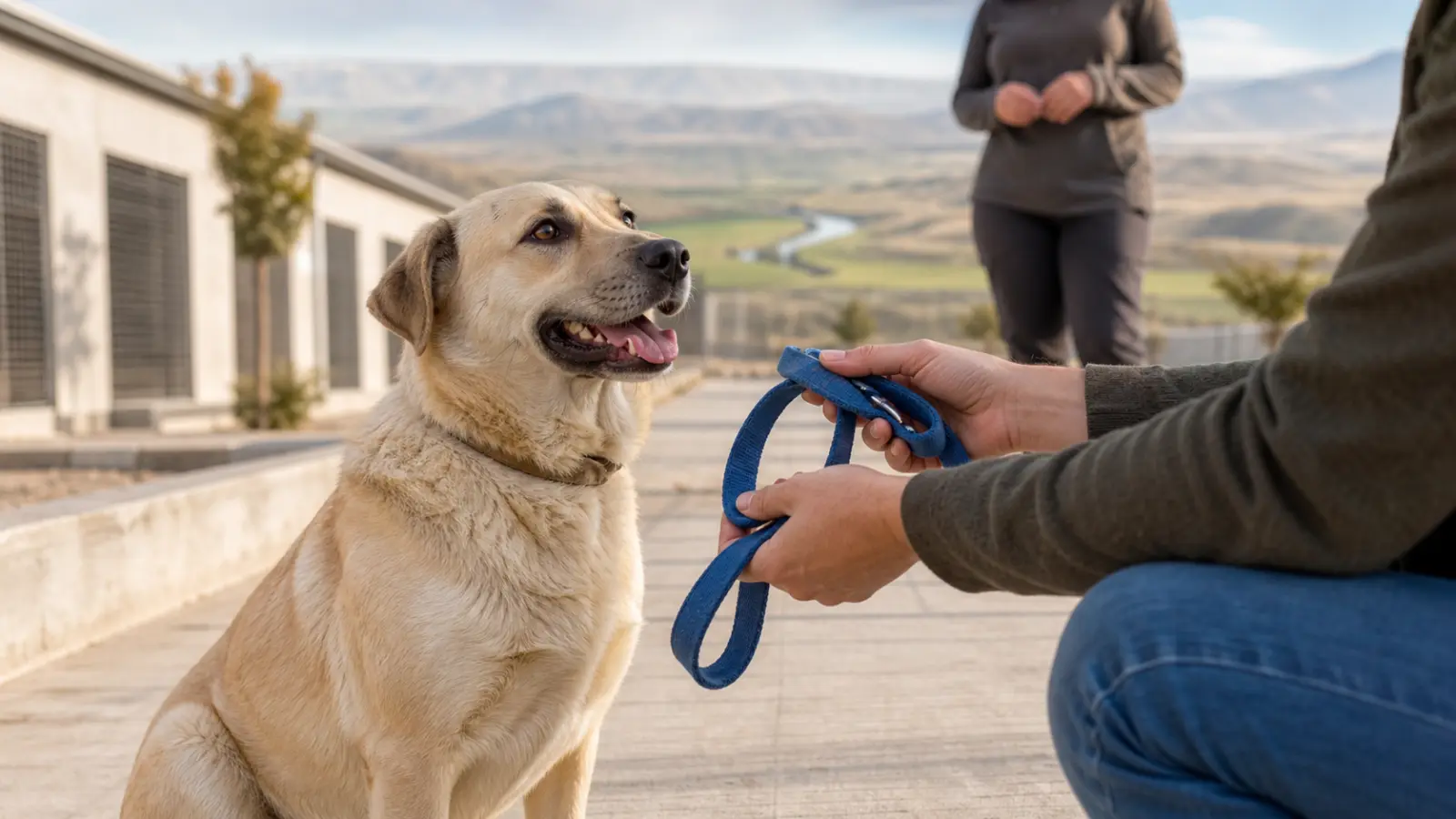
- Safe transport: Get a carrier ready for a cat, and a suitable collar and car safety setup for a dog.
This order is a general framework. The details of documents and procedures may vary according to the institution's current method and the animal's file.
The right match for Osmaniye's conditions
Karatepe-Aslantaş is the city's iconic spot; the Mediterranean climate affects your walking and resting plans, especially in hot periods. Don't take a newly adopted dog on long, crowded nature routes in the first days. Build trust and leash habits on short routes at calmer times of day. For apartment living in the city center, a cool, well-ventilated indoor space and a safe balcony matter. In a home with a yard in Düziçi or Kadirli, think about shade, water, fencing and gate security. A yard doesn't mean the animal can live outside all the time and alone; it needs human contact, indoor safety and regular monitoring.
Preparing before the animal comes home
A cool, calm and safe starting space
Prepare a quiet room or corner for the new animal that stays out of the sun and is easy to keep an eye on. Pick a spot where fresh water can always be reached. Put the food and water bowls away from the potty area. Check balconies, windows, the front door and yard access for escape risks. Put medications, cleaning products, cables and small objects out of reach. Get a sturdy carrier for a cat; for a dog, a well-fitting collar, a leash and a safe car restraint.
Planning the daily routine around the climate
On hot days, adjust the time and length of walks to the animal's condition; watch out for hot pavement, direct sun and the risk of dehydration. Never leave the animal alone in a car, even for a short time. If you notice heavy panting, obvious lethargy or unusual behavior, see a veterinarian instead of diagnosing or treating on your own. Take the health and registration documents from the shelter to the first checkup. Besides a cooling spot, make sure there's a corner at home where the animal can rest undisturbed.
How to handle the first 72 hours
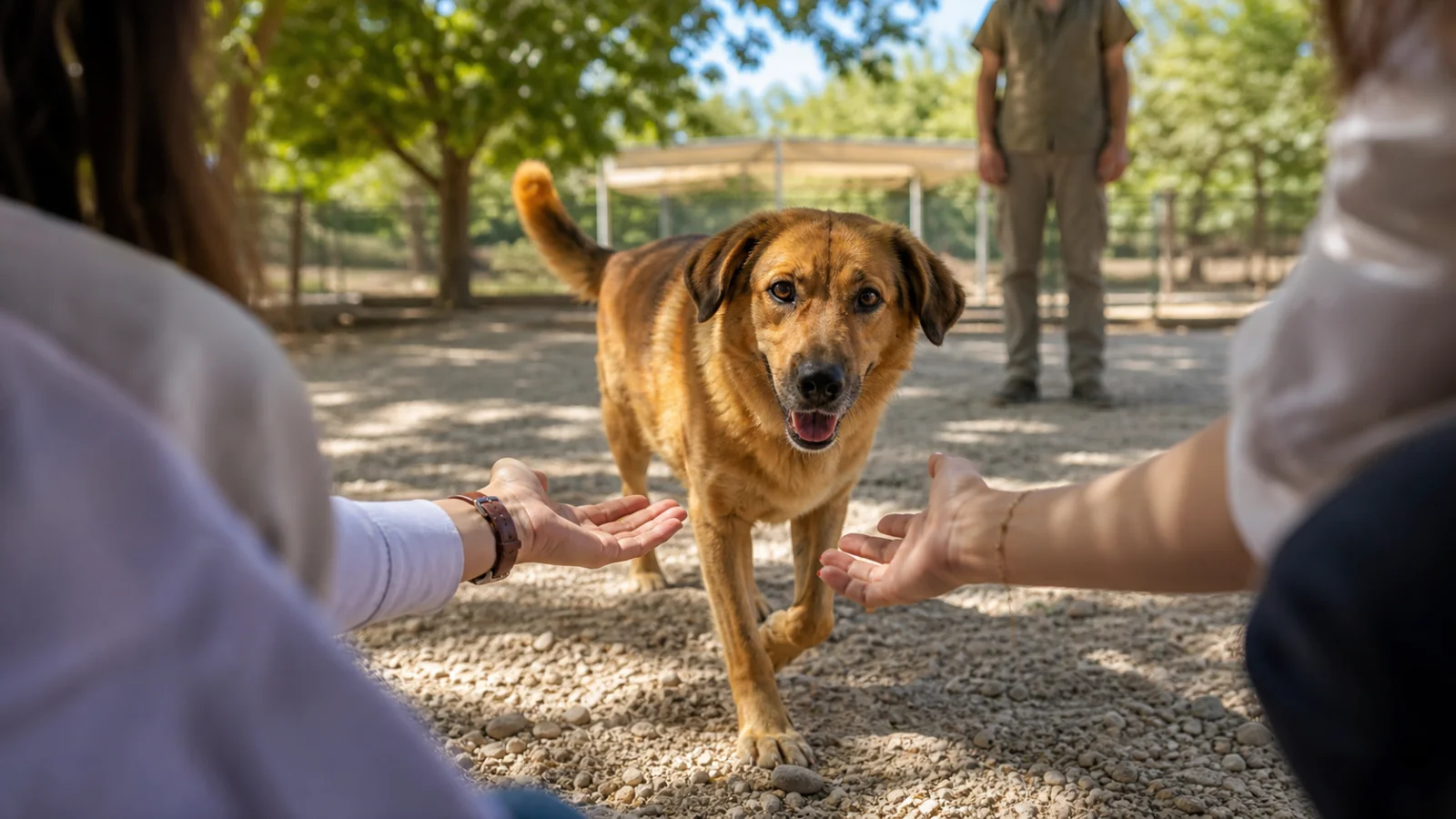
The goal of the first three days isn't training success; it's setting up a safe routine. Don't invite lots of guests, don't force a hiding animal out and don't expect constant contact. Ask what food and feeding routine the animal had at the shelter; don't make sudden changes. Check the water bowl often. Walk the dog on short, calm routes with safe equipment; don't let the cat outside. Keep simple notes on appetite, water intake, potty, sleep and behavior. If there are worrying changes, contact a veterinarian and pass along the animal's known history accurately.
Introducing a current pet gradually
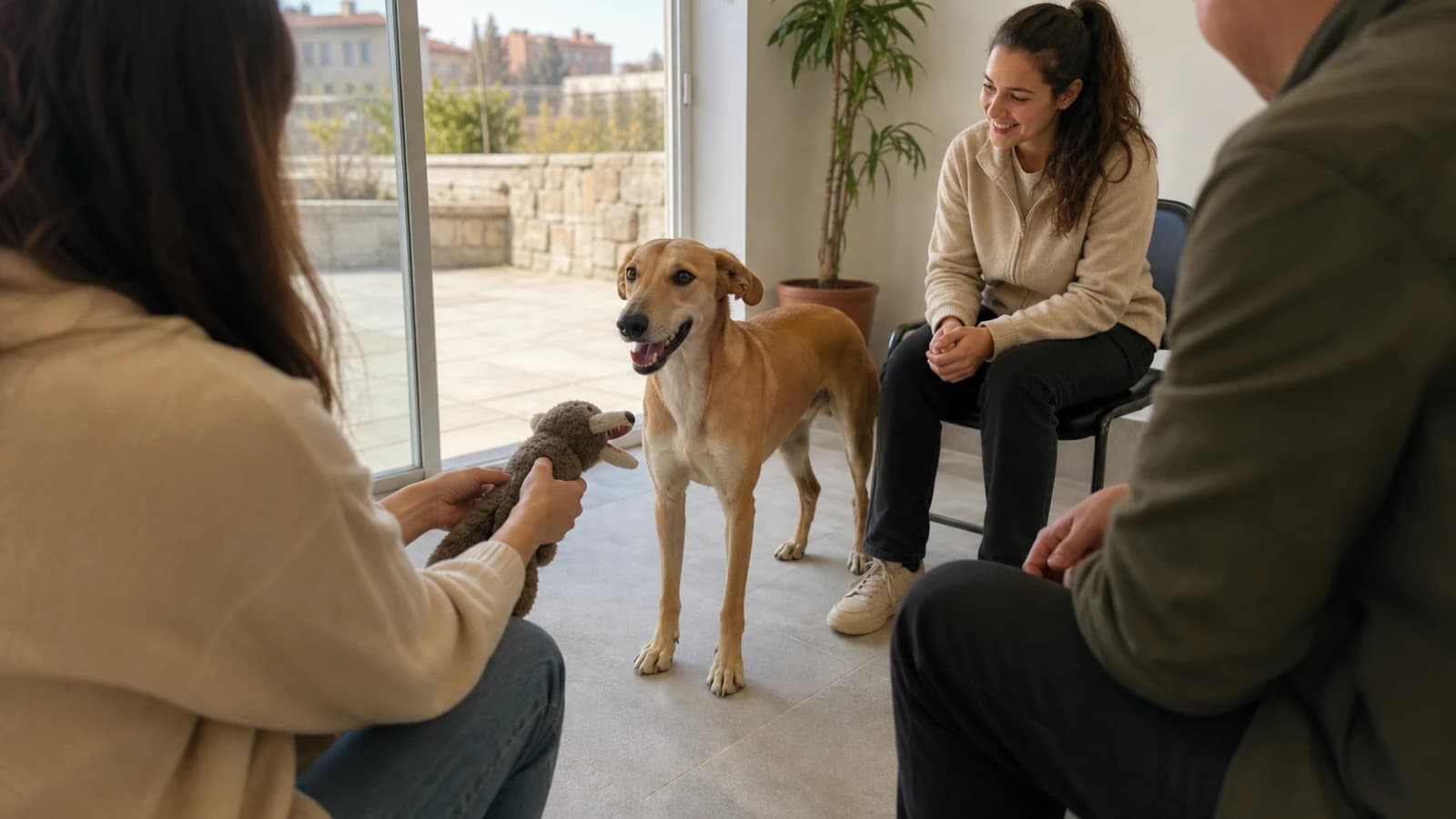
Don't put the new animal face to face with the cat or dog already in your home right away. Use separate starting spaces; swap items that carry their scent, like bedding or cloths, in a controlled way. You can introduce dogs with short parallel walks in a calm, neutral area, led by two adults. For cats, you can exchange scents behind a door and then allow brief visual contact. Give each animal its own food, water, bed and potty area. If tension rises, increase the distance and go back to the previous step. For ongoing fear or conflict, get support from a qualified behavior professional.
A long-term care plan
After adoption, proper nutrition, regular exercise, vet checkups, parasite protection, and identification and registration continue. Plan your budget not around a single price but around routine and unexpected expenses. Decide how care will continue while you're at work, who will help when you travel and how the animal will come with you if you move. If the municipality reaches out for follow-up, share up-to-date information. You can find listings in Osmaniye on the Osmaniye adoption page and other local resources in the Osmaniye City Guide.
A care rehearsal before the handover
Make a sample one-week schedule and test your real routine, hot days included. Write down morning and evening care, help during working hours, a cool resting spot, your travel plans and who you'll contact in an emergency. All the adults in the household should agree on how tasks are shared. Don't hide limits related to time or housing in the interview; being offered a calmer animal, one of a different age or one with other needs can help you find the right match.
Frequently Asked Questions
How do I get current shelter information in Osmaniye?
Check the official announcements of the Osmaniye Municipality or the relevant district municipality. Confirm location, contact details and visiting arrangements only through official channels.
What might they ask in an adoption application?
Besides your identity and contact details, they may ask about your home conditions, work schedule, family members and current pets. Get the exact list of documents from the institution.
How do I find out the animal's vaccination and microchip status?
Ask the staff about existing records and keep the handover documents. Make a plan with a veterinarian and the official unit for any missing or ongoing procedures.
When should I walk a new dog in hot weather?
Choose cooler times that reduce the effect of direct sun and hot pavement, keep the first walks short and make sure water is available. Get a vet's opinion based on the animal's condition.