


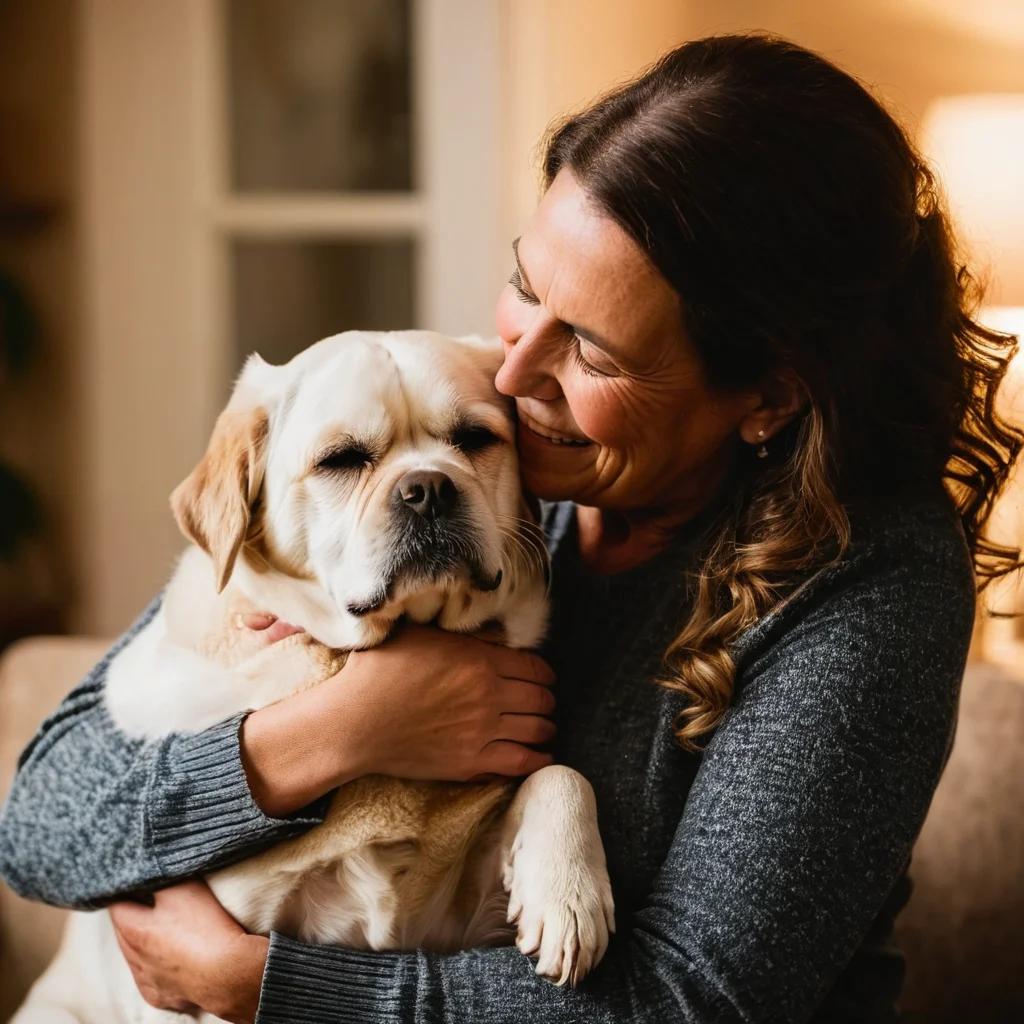

Euthanasia is the hardest + most loving decision a pet owner can make. The aim is not "extending life" but "ending suffering." The decision takes shape through the family + the vet + a quality-of-life assessment. Timing is debated, but "a week too early" is better than "a day too late." In this post we look at the euthanasia decision process + practical details + emotional preparation for the owner.
1. When Should Euthanasia Be Considered?
- An incurable disease has progressed.
- The quality-of-life score stays < 35.
- Severe pain is uncontrolled.
- Refusing food + water (3+ days).
- Mobility is limited, confined to bed.
- Zero social interaction.
- "Bad days > good days" each week.
- Advanced-stage cancer, palliative care not enough.
2. Talking with the Vet
- The vet tells you the objective medical situation.
- The owner knows the animal: its day-to-day condition.
- The family decides together.
- A plan: "let's do it before we reach this point."
- Some vets avoid the discussion, so the owner needs to ask.
- Ask: "What would you do in my place?"
3. Deciding as a Family
- All adult family members take part.
- Include children based on age (3+ years).
- Discussion + an emotional process.
- The decision should be made together (this prevents guilt later).
- Preparing for "the time to say goodbye."
4. Where Is It Done?
At the clinic (most common):
- The owner is by the pet's side.
- The vet + an assistant are professional.
- Full equipment.
- Stressful for the pet (the clinic is unfamiliar).
At home:
- The pet is in its own environment, with less stress.
- The whole family is comfortable.
- Some vets in Türkiye offer this service.
- Afterward: the vet arranges cremation/burial.
- The cost is higher.
5. The Process in Detail
- Sedation (1st injection):
- A subcutaneous sedative to relax the pet.
- Deeply calm within 10-15 minutes.
- The family shares the last moments with love.
- Euthanasia (2nd injection):
- IV pentobarbital.
- Loss of consciousness within 10-30 seconds.
- Heart + breathing stop within 1-2 minutes.
- Painless + quick + peaceful.
- Vet confirmation: Stethoscope, death certificate.
6. Preparing for the Last Moments
- Its favorite blanket + toy.
- A tasty treat (a last meal).
- Family + the people closest to it.
- Music (its favorite or something calm).
- A photo + a paw print keepsake (if you wish).
- The owner can hold and pet the animal.
- Talking + showing love is normal.
7. Including Children
- Ages 3-5: Keep it simple: "Our pet is very old/sick, the vet is going to put it to sleep, and it won't hurt."
- Ages 6-9: An honest conversation about the idea of "death."
- Ages 10+: Full participation + discussing the decision.
- Prefer the truth over "it went to heaven."
- Ask whether your child wants to see the pet one last time; some say yes.
- The vet visit depends on the child's age.
8. Common Worries
- "Is it too early?" The quality-of-life score is your guide.
- "Is it too late?" If the pain continues, yes.
- "Will it suffer?" Modern euthanasia is painless.
- "Will I get a chance to say goodbye?" Yes, in the moments after sedation.
- "I'm going to feel guilty." That is normal, and a sign of love.
9. Afterward
- Ask the vet what will be done with the body.
- Cremation (individual or communal).
- Burial (in legally permitted places).
- Getting the ashes back (with individual cremation).
- A family memorial (photos, a paw print, keepsakes).
- The grieving process begins.
10. Emotional Preparation for the Owner
- Grief is normal + beautiful: a sign of love.
- Support from family + friends.
- Pet loss support groups.
- Professional psychological help (if needed).
- Other pets in the home may feel stress, so pay attention to them too.
- A feeling of "gratitude forever": having a pet is a privilege.
Euthanasia is the hardest + the most loving decision of having a pet. A quality-of-life score + consulting your vet + deciding together as a family = a sound approach. The process is painless + peaceful. For the owner, grief is normal. "The last act of love the animal deserves." In the DoldurKabı app, you can find vet clinics experienced in palliative + end-of-life care on a map.









