


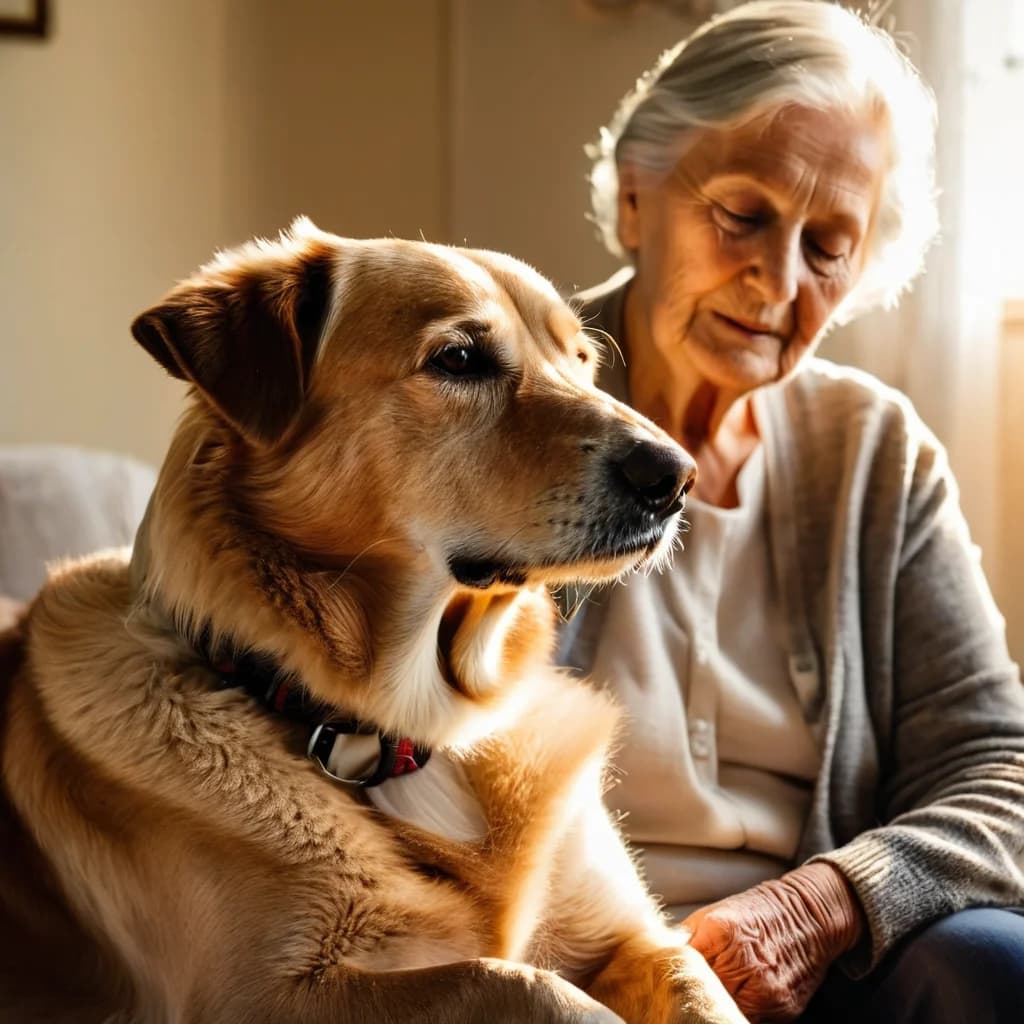

Pet palliative care is an approach that protects quality of life in an illness that can't be cured. It is a modern veterinary concept adapted from human medicine. The goal is not recovery but comfort, pain control and a dignified end of life. It combines a medical protocol with the owner's emotional journey. In this article, we take a detailed look at palliative care for pets.
1. What Is Palliative Care?
- In an illness where recovery isn't possible, the focus is quality of life.
- Pain control comes first.
- Comfort, hydration and nutrition.
- Keeping stress to a minimum.
- Emotional support for the owner.
- The equivalent of "hospice care" for people.
2. Which Cases Call for Palliative Care?
- Advanced cancer (surgery or chemotherapy not possible).
- End-stage kidney or liver failure.
- Severe heart failure.
- Advanced dementia (CDS/FCDS).
- Multiple age-related illnesses.
- Advanced DM (diabetic ketoacidosis).
- The family isn't ready for euthanasia yet, but curative treatment has been declined.
3. Components of Palliative Treatment
- Pain control: NSAIDs, opioids, gabapentin, Librela/Solensia.
- Anti-emetic: Maropitant (Cerenia) to prevent vomiting.
- Hydration: Subcutaneous fluids (at home).
- Appetite stimulant: Mirtazapine, capromorelin (Entyce).
- Anti-anxiety: Trazodone, gabapentin.
- Anti-inflammatory: Low-dose prednisolone (in some cases).
- Diuretic: Furosemide (heart failure).
4. A Comfortable Environment
- An orthopedic bed.
- A heated bed.
- A quiet, calm space.
- Non-slip rugs.
- Food, water and the toilet area close to the bed.
- Near the owner (not alone).
- Family time spent beside the bed.
5. Adapting Nutrition
- Tasty food (the priority is no longer a "healthy diet" but "appetite").
- Warm food (it tastes better).
- Soft or wet food (easier to swallow).
- Hand feeding.
- Several small meals.
- Favorite foods (relax the rules).
- A feeding tube (if needed).
6. Managing Hydration
- Subcutaneous fluids (at home):
- Your vet teaches you how.
- A needle under the skin plus fluids.
- 50-150 ml, 1-2 times a day.
- It brings relief to senior pets.
- Several water bowls and a fountain.
- Fluids and nutrients through wet food.
7. Hospice Vets
Some vets offer "hospice care" services:
- Home visits from the vet.
- Minimal stress.
- Family and pet in the same setting.
- Regular follow-up and medication adjustments.
- Emotional support and counseling for the owner.
- A growing service in Türkiye, available in big cities.
8. Assessing Quality of Life
A regular (weekly) score:
- The HHHHHMM scale:
- Hurt (pain control)
- Hunger (appetite)
- Hydration
- Hygiene
- Happiness
- Mobility
- More good days than bad (the number of good days)
- Score each item from 1 to 10.
- A total score under 35 = quality of life should be questioned.
9. The Owner's Emotional Journey
- "Anticipatory grief": grieving before the loss.
- Support from family and friends.
- Pet owner support groups.
- Honest conversations with the vet about expectations.
- The guilt of "Could I do more?" is normal.
- Take care of yourself: sleep, meals, breaks.
10. The Transition to Euthanasia
- Moving from palliative care to euthanasia is a natural progression.
- If the quality of life score drops (consistently under 35) → consider euthanasia.
- For 90% of pets, the question afterward is "Should I have done it sooner?"
- For 5% of pets, it is "Should I have waited longer?"
- "A week too early" is better than "a day too late."
- Consult the vet, and make the decision as a family.
Pet palliative care combines the animal's comfort at the end of life with emotional support for the owner. Modern veterinary medicine is growing in this area. Pain control, the environment, closeness to the owner and a natural transition to euthanasia. In the DoldurKabı app, you can find vet clinics experienced in palliative care on a map.









