


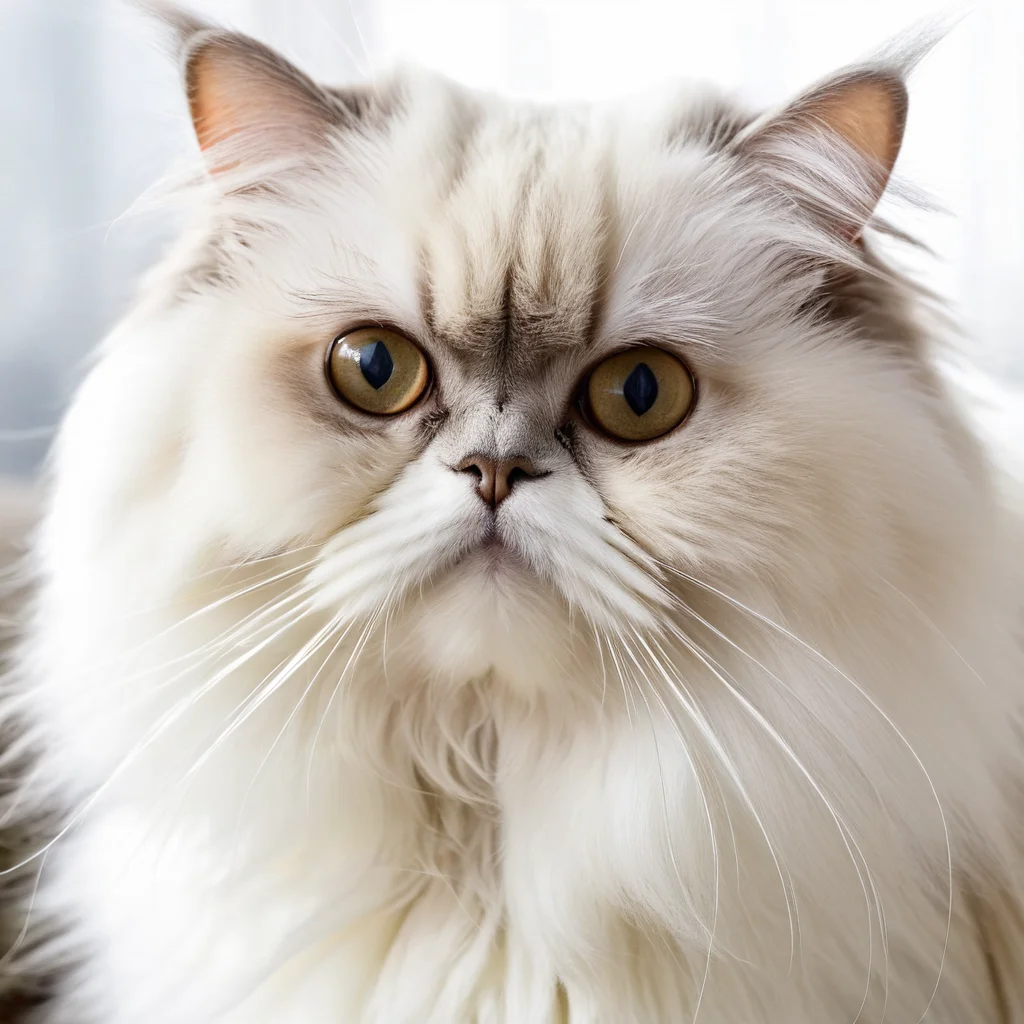

The Persian (Iranian/Persian) cat is the "noble cat" with its long silky coat + flat face + big round eyes. A classic champion at cat shows, it has been chosen as a luxury family cat for hundreds of years. But the flat face (brachycephalic) means serious breathing + eye problems, polycystic kidney disease is a genetic risk and daily coat care is a must. In this post we take a detailed look at the Persian cat's real care needs.
1. The Persian's Personality
- Very calm + gentle: Low stress level.
- Low energy: Lots of sleep + being held.
- Independent but affectionate.
- Good with kids but doesn't like overstimulation: Prefers a quiet home.
- Meows little: Quiet.
- Matures slowly.
2. Physical Traits
- Weight: 3.5-7 kg.
- Coat: Long, silky double coat.
- Face type: Doll-face (moderate), peke-face (extremely flat, brachycephalic).
- Color: Every color + pattern.
- Lifespan: 12-17 years.
3. The Brachycephalic Build and Its Effects
The extremely flat "peke-face" is a serious problem in Persians:
- Difficulty breathing.
- Blocked tear ducts, causing constant discharge.
- Crowded teeth.
- Heat sensitivity.
- Difficulty eating.
- A doll-face Persian should be preferred: it is healthier.
4. Daily Coat Care (A Must)
Persian coat care takes discipline:
- Brush 10-15 minutes a day to prevent mats.
- A slicker brush + comb together.
- A bath every 2-4 weeks.
- If mats form, use a detangler + a fine comb.
- Heavy matting may require shaving.
- Clean around the anus, since stool sticks to long hair.
- Check between the paw pads, the armpits and the base of the tail every day.
5. Caring for Eye Discharge
In Persians the tear ducts are short + blocked, so there is constant discharge:
- Wipe the face with damp cotton twice a day.
- Eye Envy + similar tear stain solutions.
- Have a vet assess blocked ducts.
- Keep the area clean with an antiseptic.
6. Breed-Specific Health
- Polycystic Kidney Disease (PKD): In 38% of Persians; genetic testing is a MUST.
- HCM (heart).
- Brachycephalic syndrome: See above.
- Cataracts + PRA.
- Otitis externa.
- Crowded teeth + tartar.
- Skin infections (in the folds).
- At times, "haircoat seborrhea": An oily skin condition.
7. Diet
- Kittens: kitten food (4-12 months).
- Adults: 50-80 g/day of premium dry + wet food.
- A hairball-prevention formula, since they swallow long hair.
- A raised bowl keeps the neck comfortable for brachycephalic cats.
- A flat bowl allows a side angle for the shape of the nose.
8. Exercise + Play
- Low energy: 15-20 minutes of play a day is enough.
- Interactive toys + a laser.
- A scratching post is a must.
- Gets along in multi-cat homes.
9. Think Before Adopting
- Monthly cost: 1,700-3,000 Turkish lira (including coat + eye + health care).
- An ethical breeder is a must: Parents tested for PKD + HCM.
- Prefer doll-face: Peke-face is unethical + prone to health problems.
- Daily coat care is a must. If you can't do it, this is not the breed for you.
- A 12-17 year responsibility.
- Sensitive to hot climates: air conditioning + a cool environment.
10. Life and Costs
- Lifespan: 12-17 years.
- Total lifetime cost: 280,000-550,000 Turkish lira.
The Persian cat is a noble + calm + lovable family cat. Daily coat care + eye hygiene + PKD testing + choosing doll-face are critical. Stay away from unethical peke-face breeding. In the DoldurKabı app you can find Persian adoption listings + vet clinics on a map.









