


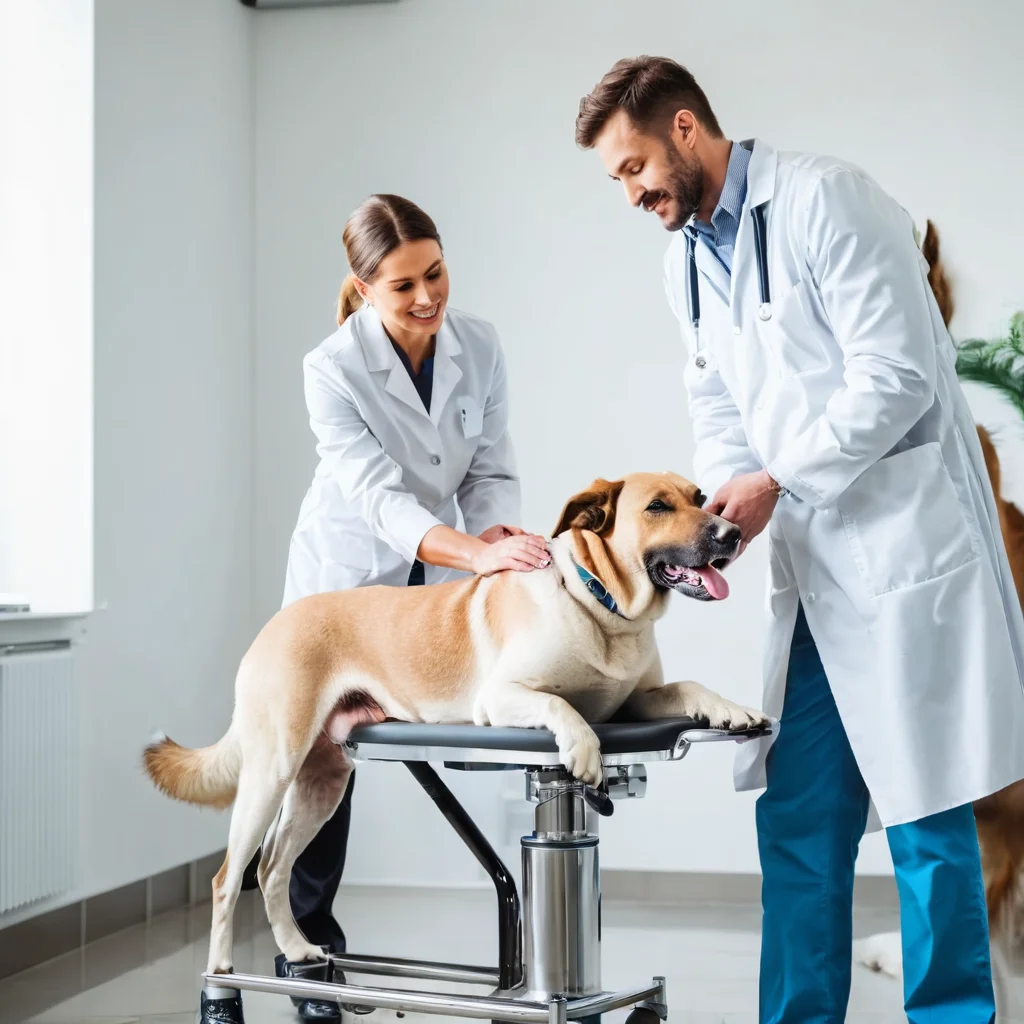

Full anal sacs (glands, scent glands) are common in dogs + cats. Signs are odor, scooting and tail chasing. Manual expressing by a vet or groomer; be CAREFUL doing it at home. Frequent filling + diet + fiber. Surgery is the last resort. Anal sac problems affect comfort + health. In this post, we take a detailed look at managing anal sacs.
1. What Are Anal Sacs
- Two sacs at the 4 and 8 o'clock positions around the anus in dogs + cats.
- They produce an oily fluid (foul-smelling, like fish).
- Normally, they empty along with stool.
- Their purpose is identification + territory marking.
- In dogs, they empty with the help of pressure while passing stool.
- If they don't empty enough = the glands fill up + problems start.
2. Anal Sac Problems
- Impaction: A buildup of too much oily fluid.
- Infection: Bacterial colonization.
- Abscess: The wound bursts through the skin.
- Tumor: Senior pets, rare.
- Chronic impaction: A structural problem.
- Soft diet + obesity make it more likely.
3. Signs
- Dragging the rear on the ground (scooting), on carpet or grass.
- Excessive licking of the tail + rear end.
- A bad, fishy smell (on the body + in the home).
- Tail-chasing behavior.
- Difficulty passing stool.
- Restlessness when sitting.
- Swelling around the anus.
- Abscess = a red wound on the skin.
4. Pets More Prone to It
- Small dog breeds (Chihuahua, Yorkie, Cocker).
- Obese pets.
- Pets with soft stool.
- A diet very low in fiber.
- Pets with a history of allergies.
- Cats rarely have problems (more common in dogs).
- Pets with anatomical abnormalities.
5. Manual Expressing
- A vet or pet groomer does it.
- Internal (inside the rectum) or external (through the skin) approach.
- The internal approach is more effective.
- The telltale fluid drains out.
- The pet is relieved (a slight itch around the anus + calm).
- Price: varies by clinic.
- Frequency: once every 6-8 weeks (for pets with problems).
6. CAUTION About Expressing at Home
- Possible but RISKY.
- Wrong technique = a torn gland + abscess.
- Stress for the pet.
- Have a vet teach you the first time.
- Gloves + petroleum jelly.
- Toilet paper/napkins help.
- Owners who do it regularly at home know how.
- When in doubt, a vet/groomer.
7. Prevention: Diet
- A high-fiber diet (5%+ of dry matter).
- Grain-inclusive food (paradoxically, some fiber gets added).
- Probiotics.
- Green vegetables (cabbage, broccoli in small amounts).
- Oat bran supplement.
- Pumpkin puree (1 tablespoon/day).
- A fix for obesity + fiber blockage.
- Weight management matters.
8. Exercise
- Regular walks = bowel movement.
- Well-formed stool = anal sacs empty.
- Strength exercise is helpful.
- Sedentary pets are more prone to it.
- 2-3 walks a day.
- Young + healthy pets have a natural system.
9. Treating Infection
- Antibiotics (oral + topical).
- Anti-inflammatories.
- Warm compresses.
- Frequent expressing by a vet.
- Fluid analysis (culture if needed).
- 2-3 weeks of treatment.
- Abscess = drainage + surgical cleaning.
- Frequent recurrence = consider surgery.
10. Surgical Removal (Last Resort)
- Chronic, recurring problems.
- Tumor cases.
- Abscesses again and again.
- Specialized veterinary surgery.
- Complications: loss of urine/stool control (nerve damage).
- Only an experienced surgeon.
- Not needed in most cases (diet + expressing is enough).
- Price
The fee depends on the city, whether it's a clinic or a hospital, after-hours visits, imaging/hospitalization and the animal's weight and age. The provincial Chamber of Veterinarians (Veteriner Hekimleri Odası) publishes a yearly minimum fee schedule; the schedule is a floor, not the final bill. Ask the clinic for a written or verbal estimate.
Pet anal sacs come down to a formula: recognize the signs + manual expressing + dietary fiber + surgery as a last resort. Comfort is seriously affected by the problem. When the owner notices scooting + a fishy smell = time to express them. Regular vet/groomer visits for pets with problems. In the DoldurKabı app, you can find pet groomers + specialist vets on a map.









