
A summer road trip with your pet: freedom + flexibility, but preparation is a must. Crate, seat belt, how often to stop, car temperature, managing thirst, and why you must never leave your pet alone in the car. A 1,000 km trip can be tiring for a pet. In this article, we take a detailed look at car travel with your pet.
1. Ways to Transport Your Pet
- Crate (the safest): Secured + safe, on the back seat or in the trunk.
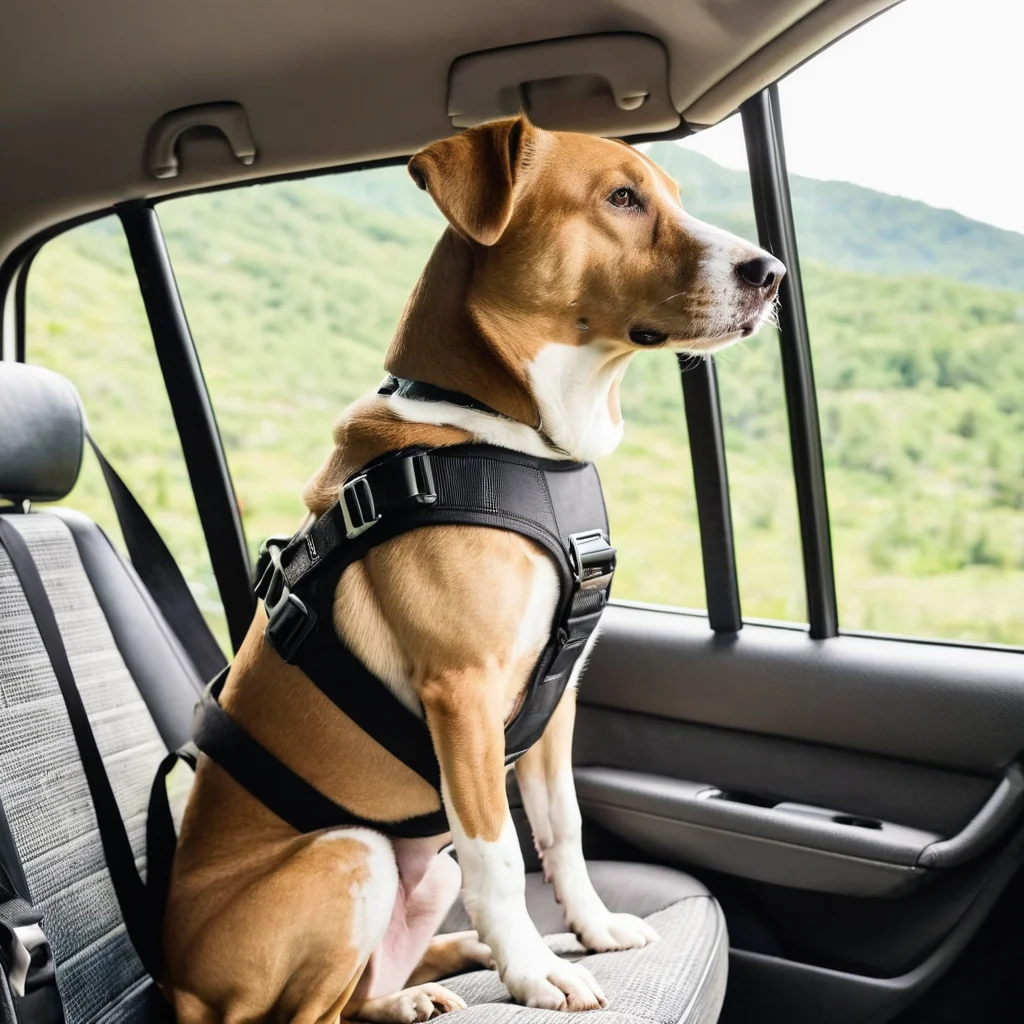
- Seat belt harness: For dogs, allows freedom of movement.
- Pet car seat: For small dogs, front/back seat.
- Pet barrier: Separates the SUV cargo area.
- NO laps: Distracts the driver + airbag danger.
- Legal: In some cities a crate/belt is required, and the driver can be fined.
2. Choosing a Crate/Harness
- The right size for your pet (can turn around + lie down).
- Ventilation holes.
- A stable base (prevents sliding).
- A crash-tested product (Center for Pet Safety certified).
- Dog harness: chest + waist straps.
- Cats in a crate only (they resist straps).
- Get your pet used to the crate 1-2 weeks ahead.
3. Preparing in Advance
- Short practice drives (10-30 min).
- Your calm presence = a calm pet.
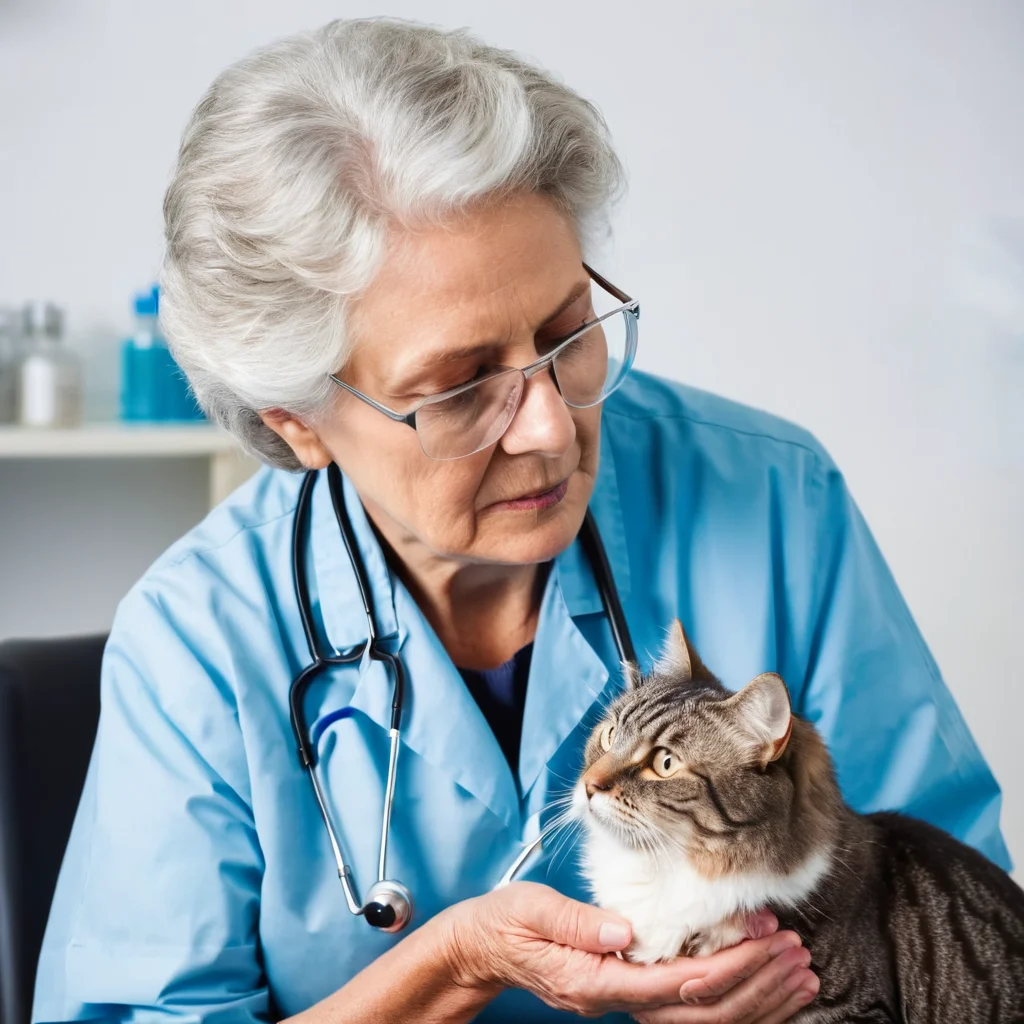
- A vet check (health check before the trip).
- Vaccines + parasite treatments up to date.
- Microchip + collar ID tag.
- A photocopy of the health card.
- A pet first aid kit.
4. Travel Bag
- 3 days of food (trip + vacation).
- Water bottle + collapsible bowl.
- Your pet's medications (chronic).
- Collar + leash + muzzle (if needed).
- Blanket + bed (familiar scent).
- Toys (to prevent boredom).
- Waste bags + cleaning supplies.
- Towel (for cleaning up vomit/urine).
- Health file.
5. How Often to Stop
- A 15-20 min break every 2-3 hours.
- Toilet + a walk + water with your pet.
- A safe place to stop (the roadside is OFF-LIMITS).
- On a leash + with you at its side.
- Breaks feel like a vacation = a relaxed pet.
- A long 1,000 km trip = 12-15 hours (with breaks).
6. Managing Water + Food
- NO food in the 2 hours before the trip (motion sickness).
- Plenty of water + at every stop.
- Your pet won't go hungry during the trip (it's a short time).
- Treats in moderation, outside of breaks.
- Your food brand may not be available at your destination, so bring extra.
- Feed 1-2 hours after the trip.
7. Motion Sickness
- More common in young pets (the inner ear balance isn't fully developed).
- Signs: drooling, vomiting, weakness, trembling.
- Prevention: getting used to short drives.
- Medication: Cerenia (vet prescription).
- Pet anti-anxiety products (Adaptil, Feliway).
- Airflow + a view through the windshield.
- No food before the trip.
8. Temperature Inside the Car
- Never leave your pet in the car, not even for 1 minute: In summer it's deadly.
- 22°C outside → 40°C inside the car within 10 minutes.
- A/C on + kept on the whole time.
- A half-open window is NOT ENOUGH.
- Park in the shade.
- Breaks are for your pet + you together (never leave it behind).
- Police can be called + have the authority to break the window.
9. Reducing Travel Stress
- Items with a familiar scent (blanket, toy).
- Feliway (cats) / Adaptil (dogs) spray.
- Your calm voice.
- Classical music (radio on).
- Severe stress = a sedative from your vet.
- For long trips, drive at night (your pet sleeps).
- On hot days, choose the night.
10. After the Trip
- Toilet + a 30 min walk.
- Water + food (half an hour later).
- Introduce the new place slowly.
- Set up a safe room.
- Very tired = a long sleep is normal.
- The first night, keep your pet next to you.
- 2-3 days to adjust to the new routine.
- Your pet knows the return trip = calmer.
Car travel with your pet: the formula is safe transport + frequent breaks + car temperature + familiar scents. A crate/harness is a must. Never leave your pet alone in the car, not even for 1 minute. Practice before a long trip is a must. The vacation should be fun for your pet, not stressful. In the DoldurKabı app, you can find vets along your route + pet-friendly restaurants/rest stops on a map.